


As a supplier of dynamic trajectory reverse cameras, I often get asked about their compatibility with aftermarket car stereos. This is a crucial question for many car owners who want to upgrade their vehicle's safety and convenience features. In this blog post, I'll delve into the details of this compatibility issue, exploring the factors at play and providing insights to help you make an informed decision.
Understanding Dynamic Trajectory Reverse Cameras
Dynamic trajectory reverse cameras are a significant advancement in automotive safety technology. Unlike traditional reverse cameras, which simply display a static view of the area behind the vehicle, dynamic trajectory cameras overlay a set of guidelines on the video feed. These guidelines move in real - time based on the steering angle of the vehicle, providing the driver with a more accurate prediction of the path the vehicle will take while reversing.
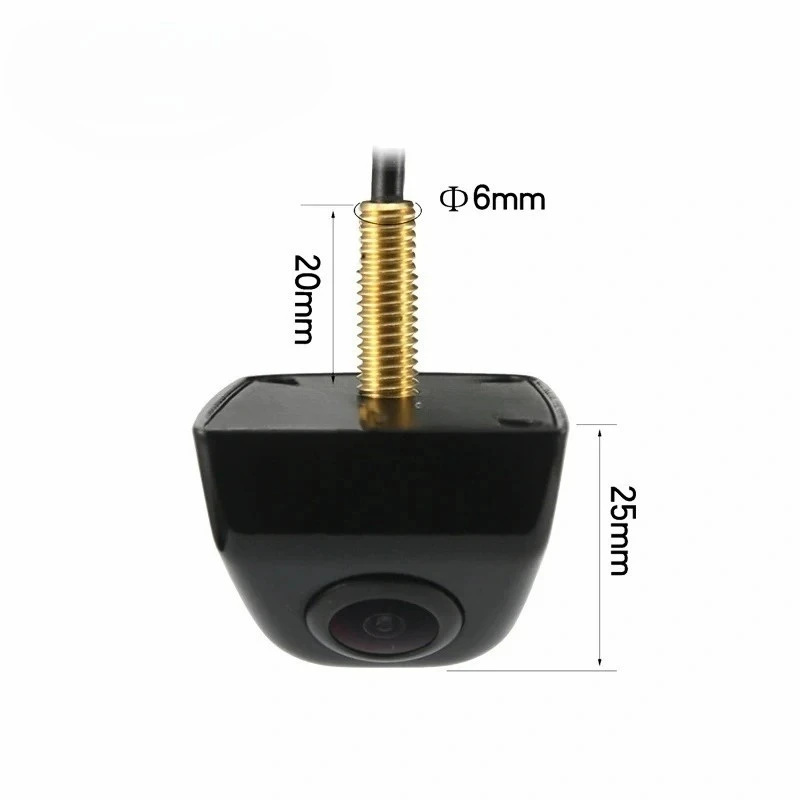
This technology greatly enhances the driver's ability to park and maneuver in tight spaces, reducing the risk of collisions with obstacles, pedestrians, or other vehicles. Our company offers a range of high - quality dynamic trajectory reverse cameras, such as the Volkswagen MIB Dynamic Guideline Reversing Camera (License Light Integrated), Car Parking Reverse Rear Camera for Audi Vw Camera, and Volkswagen MIB Dynamic Guidelines Backup Camera (Dedicated Interface).
Compatibility Factors with Aftermarket Car Stereos
Video Input Compatibility
One of the primary factors determining whether a dynamic trajectory reverse camera is compatible with an aftermarket car stereo is the video input. Aftermarket car stereos come with different types of video input ports, such as composite video input (RCA), HDMI, or USB. You need to ensure that the camera's video output matches the input type of your stereo.
Most dynamic trajectory reverse cameras on the market use composite video output (RCA) because it is a widely supported standard. However, some newer aftermarket stereos may have HDMI or USB inputs for better video quality. If your stereo has a non - standard video input, you may need to use an adapter to connect the camera.
Signal Processing and Display
Another important aspect is the stereo's ability to process and display the dynamic trajectory guidelines. The camera sends a video signal that includes the real - time video feed and the dynamic guidelines. The stereo must be capable of decoding this signal and accurately displaying the guidelines on its screen.
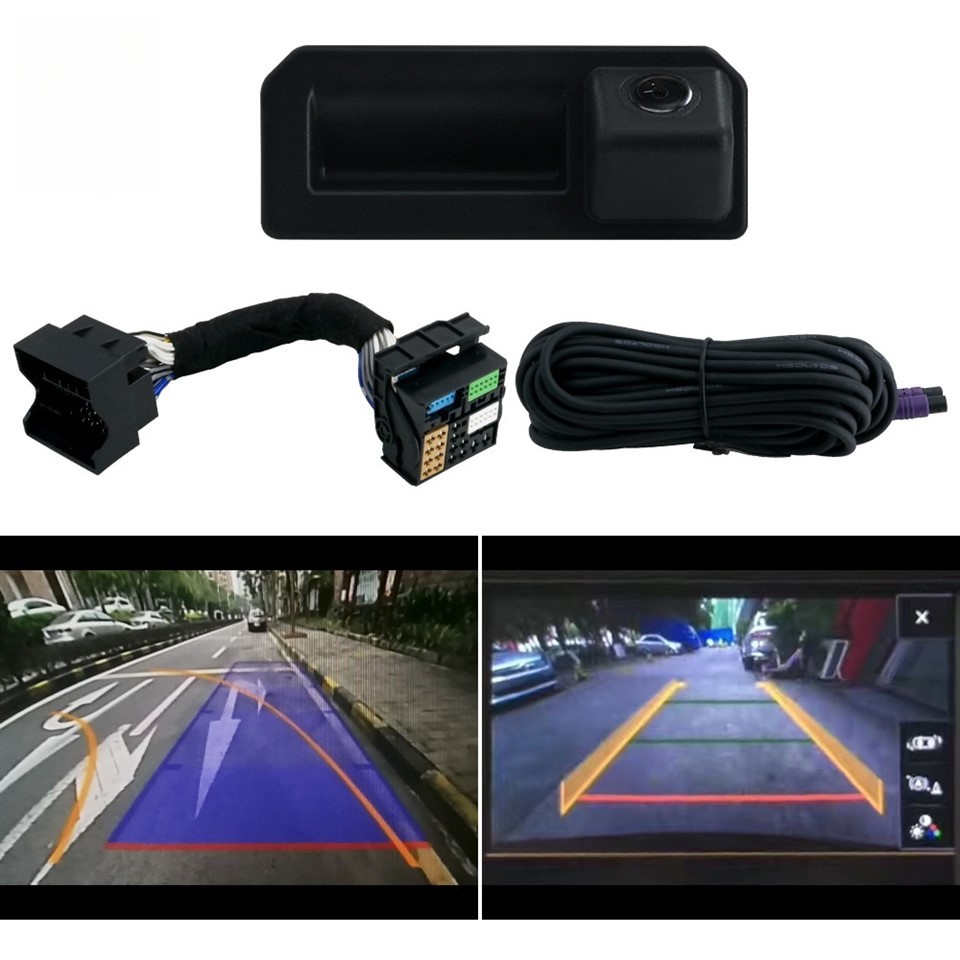
Some aftermarket stereos may have limited processing power or may not support the specific protocol used by the camera to transmit the dynamic trajectory information. In such cases, the guidelines may not be displayed correctly, or they may not appear at all. It's essential to check the stereo's specifications to see if it supports dynamic trajectory reverse camera functionality.
Power Supply
The power supply is also a critical factor. Dynamic trajectory reverse cameras typically require a stable power source to operate correctly. Some cameras can be powered directly from the vehicle's reverse light circuit, while others may need to be connected to the stereo's power supply.
If the stereo does not provide sufficient power or has an unstable power output, it can cause issues with the camera's performance, such as flickering images or intermittent operation. Make sure to check the power requirements of the camera and ensure that your stereo can meet them.
Testing Compatibility
Before purchasing a dynamic trajectory reverse camera and an aftermarket car stereo, it's a good idea to test their compatibility. Many retailers offer in - store testing services, where you can bring your camera and stereo and see if they work together.
If you're purchasing online, you can check the product descriptions and customer reviews to see if other users have had success with the combination. Some manufacturers also provide compatibility lists on their websites, which can be a valuable resource.
Overcoming Compatibility Issues
If you encounter compatibility issues between your dynamic trajectory reverse camera and aftermarket car stereo, there are several solutions you can try.
Use an Adapter
As mentioned earlier, if the video output of the camera does not match the input of the stereo, you can use an adapter. There are various types of video adapters available on the market, such as RCA to HDMI or USB to RCA adapters. Make sure to choose an adapter that is compatible with both the camera and the stereo.
Firmware Updates
Sometimes, compatibility issues can be resolved by updating the firmware of the stereo or the camera. Manufacturers often release firmware updates to improve compatibility and add new features. Check the manufacturer's website for the latest firmware updates and follow the instructions carefully to install them.
Consult a Professional
If you're still having trouble getting the camera and stereo to work together, it may be a good idea to consult a professional car audio installer. They have the expertise and tools to diagnose and fix compatibility issues, ensuring that your dynamic trajectory reverse camera functions correctly with your aftermarket car stereo.
Benefits of a Compatible Setup
When you have a dynamic trajectory reverse camera that is compatible with your aftermarket car stereo, you can enjoy several benefits.
Enhanced Safety
The most significant benefit is enhanced safety. The dynamic trajectory guidelines provide you with a more accurate view of the vehicle's path while reversing, reducing the risk of accidents. This is especially important in crowded parking lots or areas with limited visibility.
Convenience
A compatible setup also offers greater convenience. You can easily view the camera feed on your stereo's screen, which is usually larger and more visible than a small standalone monitor. This makes it easier to park and maneuver your vehicle in tight spaces.
Aesthetics
Integrating the reverse camera with your aftermarket stereo can also improve the aesthetics of your vehicle's interior. Instead of having a separate monitor, the camera feed is displayed on the stereo's screen, creating a more seamless and professional look.
Conclusion
In conclusion, the compatibility of dynamic trajectory reverse cameras with aftermarket car stereos depends on several factors, including video input, signal processing, and power supply. While there may be some challenges, with careful research and testing, you can find a combination that works well for your vehicle.
If you're interested in purchasing a dynamic trajectory reverse camera and need help with compatibility or installation, feel free to reach out to us. We're here to assist you in finding the best solution for your needs. Whether you're looking for a camera for your Volkswagen, Audi, or other vehicle models, our range of products offers high - quality and reliable options.
Don't hesitate to contact us for more information and to start the procurement process. We look forward to working with you to enhance the safety and convenience of your vehicle.
References
- Automotive Electronics Handbook, Third Edition, edited by Ronald K. Jurgen
- Consumer Reports: Car Audio and Electronics Guide
- Manufacturer's product specifications and user manuals for dynamic trajectory reverse cameras and aftermarket car stereos


