


As a supplier of Volkswagen VW handle reversing cameras, I've often been asked about the vibration resistance of these essential automotive accessories. In this blog post, I'll delve into the technical aspects, real - world performance, and the importance of vibration resistance in Volkswagen VW handle reversing cameras.
The Technical Design for Vibration Resistance
Volkswagen VW handle reversing cameras are engineered with a focus on durability and reliability, especially when it comes to withstanding vibrations. The internal components of these cameras are carefully selected and assembled to minimize the impact of vibrations.
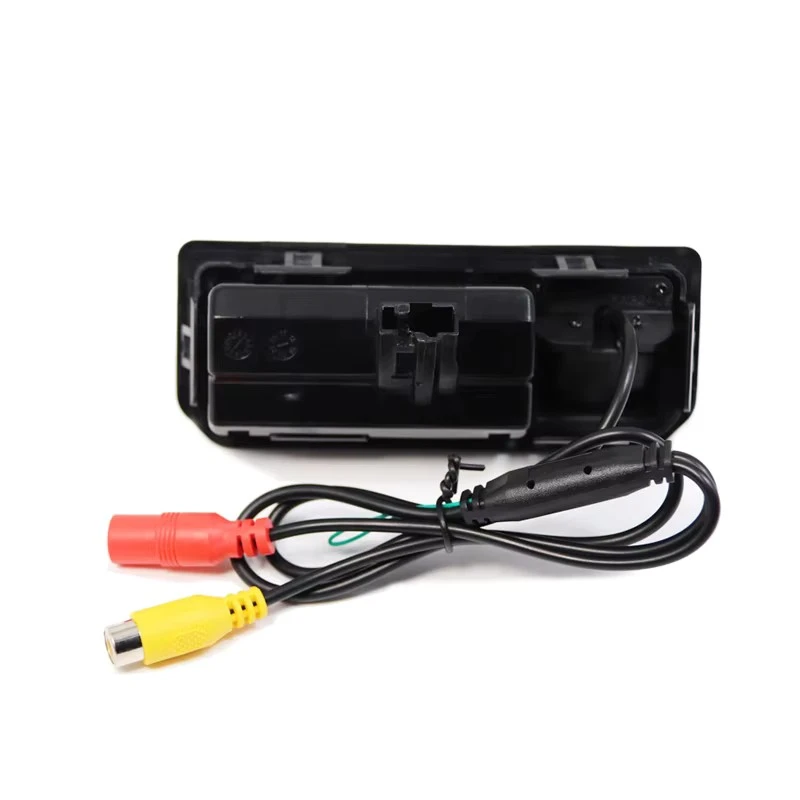

The circuit boards inside the cameras are designed with high - quality soldering techniques. This ensures that the electronic components remain firmly attached even when the vehicle is in motion and experiencing vibrations. For example, surface - mount technology (SMT) is commonly used, which provides a more stable connection compared to traditional through - hole soldering. This reduces the risk of components coming loose due to vibrations, which could otherwise lead to malfunctions such as image distortion or complete camera failure.
The lens of the reversing camera is also an important factor in vibration resistance. It is typically made of high - grade glass or plastic materials that are shock - and vibration - resistant. The lens is securely mounted within the camera housing, often with the use of rubber gaskets or O - rings. These rubber components act as shock absorbers, dampening the vibrations that could potentially affect the alignment of the lens. A misaligned lens can cause blurry or distorted images, which is a major safety concern when using a reversing camera.
Real - World Performance
In real - world driving conditions, Volkswagen VW handle reversing cameras are exposed to a wide range of vibrations. Whether it's the normal vibrations caused by the engine running, the unevenness of the road surface, or the vibrations from the vehicle's suspension system, the camera needs to maintain its functionality.
Many customers who have installed our Volkswagen VW handle reversing cameras have reported excellent performance in terms of vibration resistance. For instance, in daily city driving, where there are frequent stops and starts, and the vehicle may encounter potholes and speed bumps, the cameras continue to provide clear and stable images. Even on rough rural roads, where the vibrations are more intense, the cameras have proven to be reliable.
We have also conducted our own in - house tests to simulate extreme vibration conditions. We use vibration testing equipment that can replicate the vibrations experienced during high - speed driving, off - road driving, and even heavy - duty use. In these tests, our Volkswagen & Audi OEM Handle Camera (Legacy Rear Studded Version), Volkswagen & Audi Compact Handle Camera (OEM - Spec Design), and Volkswagen & Audi Large Handle Camera (OEM - Spec Design) have all shown remarkable resilience. The images remain clear, and there is no sign of significant image degradation or malfunction due to vibrations.
Importance of Vibration Resistance
Vibration resistance is crucial for Volkswagen VW handle reversing cameras for several reasons. Firstly, it is a matter of safety. When a driver is reversing a vehicle, they rely on the clear and accurate image provided by the reversing camera to detect obstacles, pedestrians, or other vehicles. If the camera is affected by vibrations and produces a blurry or distorted image, the driver may not be able to make an informed decision, increasing the risk of accidents.
Secondly, vibration resistance is related to the longevity of the camera. A camera that can withstand vibrations is less likely to suffer from internal damage over time. This means that the camera will have a longer service life, reducing the need for frequent replacements. For vehicle owners, this translates into cost savings in the long run.
Comparison with Competitors
When compared to some of our competitors' products, our Volkswagen VW handle reversing cameras have a distinct advantage in terms of vibration resistance. Some competing cameras may use lower - quality materials or less advanced manufacturing techniques, which can make them more susceptible to vibrations.
For example, some competitors may use cheaper soldering methods or less durable lens materials. This can result in components coming loose or the lens becoming misaligned more easily. In contrast, our cameras are designed and manufactured to the highest standards, ensuring superior vibration resistance.
Future Developments
As technology continues to evolve, we are constantly looking for ways to improve the vibration resistance of our Volkswagen VW handle reversing cameras. We are exploring the use of new materials that are even more shock - and vibration - resistant. For example, advanced composite materials could be used in the camera housing to provide better protection for the internal components.
We are also looking into the integration of more sophisticated vibration - damping technologies. These could include active vibration - cancellation systems that use sensors to detect vibrations and then apply counter - vibrations to neutralize them. This would further enhance the stability of the camera and the quality of the images it provides.
Conclusion
In conclusion, Volkswagen VW handle reversing cameras are highly resistant to vibrations. Through careful design, high - quality materials, and advanced manufacturing techniques, these cameras can withstand the vibrations encountered in various driving conditions. The vibration resistance not only ensures the safety of the driver but also contributes to the longevity of the camera.
If you are interested in purchasing our Volkswagen VW handle reversing cameras, we invite you to contact us for more information and to discuss your specific requirements. We are committed to providing you with the best - quality products and excellent customer service.
References
- Automotive Electronics Handbook, Third Edition, edited by Ronald K. Jurgen
- Vibration Analysis for Engineers, by Clarence W. de Silva


