


As a supplier of Mercedes - Benz OEM handle cameras, I often encounter inquiries about the diverse applications of our products. One question that has piqued the interest of many is whether the Mercedes - Benz OEM handle camera can be used for blind - spot monitoring. In this blog, I'll delve into this topic, exploring the technical aspects, feasibility, and potential limitations of using these cameras for blind - spot monitoring.
Understanding the Mercedes - Benz OEM Handle Camera
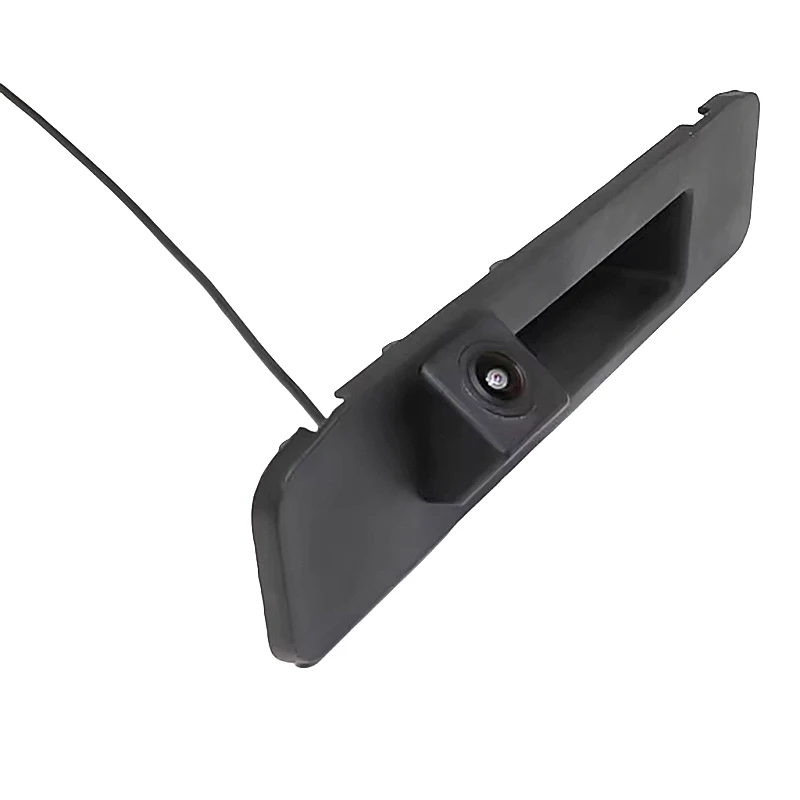
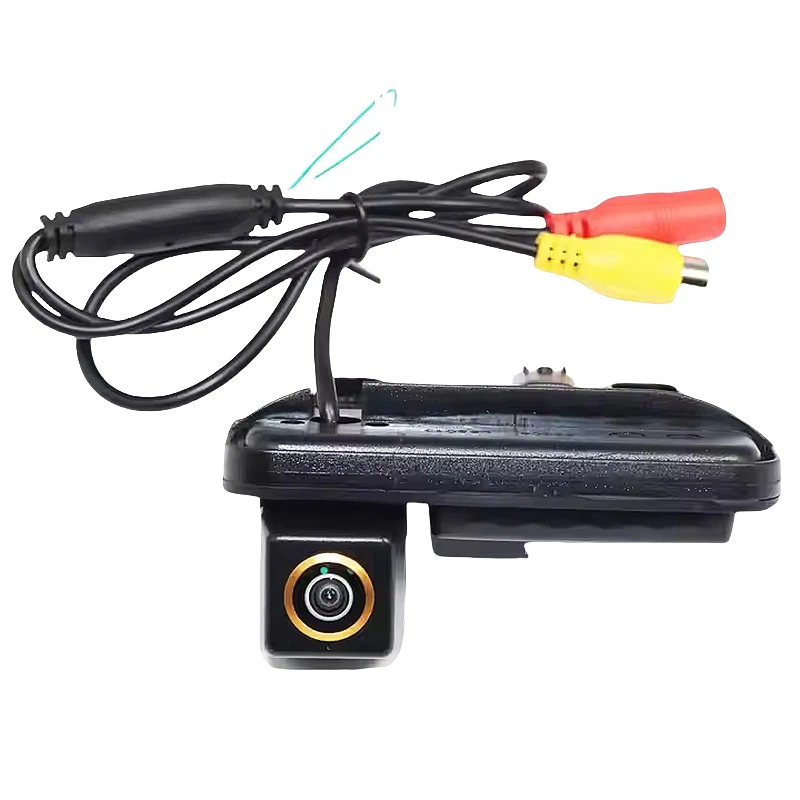
First, let's get a clear understanding of what the Mercedes - Benz OEM handle camera is. Our company specializes in producing high - quality cameras that are designed to fit seamlessly into the handle area of Mercedes - Benz vehicles. These cameras are engineered to provide clear and reliable visual information, primarily for reverse - parking assistance.
The 2013 - 2024 Mercedes - Benz Full Series Dedicated Reverse Camera [/special - car - rear - view - camera - cvbs - ahd/mercedes - benz - oem - handle - camera/2013 - 2024 - mercedes - benz - full - series - dedicated.html] is a prime example of our product line. It offers a wide - angle view, allowing drivers to have a comprehensive view of the area behind the vehicle when reversing. Similarly, the Universal For 2010 - 2016 Mercedes - Benz E - Class (W212) Reverse Camera [/special - car - rear - view - camera - cvbs - ahd/mercedes - benz - oem - handle - camera/universal - for - 2010 - 2016 - mercedes - benz - e - class.html] and the 2012 - 2015 Mercedes - Benz GLK300 Reverse Camera [/special - car - rear - view - camera - cvbs - ahd/mercedes - benz - oem - handle - camera/2012 - 2015 - mercedes - benz - glk300 - reverse - camera.html] are tailored to specific models, ensuring optimal performance and compatibility.
Technical Requirements for Blind - Spot Monitoring
Blind - spot monitoring is a safety feature that alerts drivers when there is a vehicle in their blind spot. To effectively perform this function, a camera system needs to meet several technical requirements.
- Field of View: The camera must have a wide enough field of view to cover the areas on the sides of the vehicle where blind spots typically occur. This usually requires a horizontal field of view of at least 120 - 180 degrees.
- Image Resolution: High - resolution images are essential for accurately detecting other vehicles. A resolution of at least 720p is generally recommended to ensure that small details, such as the shape and position of other cars, can be clearly identified.
- Low - Light Performance: Since blind - spot monitoring needs to work in all lighting conditions, the camera should have good low - light performance. This means it can still capture clear images at night or in dimly lit environments.
- Fast Frame Rate: A fast frame rate is necessary to provide real - time information. A frame rate of at least 30 frames per second (fps) ensures that the video feed is smooth and up - to - date.
Can the Mercedes - Benz OEM Handle Camera Meet These Requirements?
Now, let's evaluate whether our Mercedes - Benz OEM handle cameras can meet the technical requirements for blind - spot monitoring.
Field of View
Our handle cameras are designed to provide a wide view of the rear area for reverse - parking purposes. While they do have a relatively wide field of view, it may not be sufficient to cover the entire blind - spot area on the sides of the vehicle. The angle at which these cameras are installed is optimized for looking backward, and the field of view may not extend far enough to the sides to effectively monitor blind spots.
Image Resolution
Our cameras offer high - resolution images, which is a positive factor for blind - spot monitoring. The clear images can help in accurately identifying other vehicles in the vicinity. However, the orientation of the camera, which is mainly focused on the rear, may limit the ability to capture clear side - view images for blind - spot detection.
Low - Light Performance
We take pride in the low - light performance of our cameras. They are equipped with advanced sensors and image - processing technology to ensure clear images even in low - light conditions. This is an important aspect for blind - spot monitoring, as it needs to function reliably at all times, day or night.
Fast Frame Rate
Our cameras are capable of delivering a fast frame rate, which provides a smooth and real - time video feed. This is crucial for blind - spot monitoring, as it allows drivers to receive up - to - date information about the presence of other vehicles in their blind spots.
Potential Adaptations and Challenges
While the Mercedes - Benz OEM handle cameras have some of the necessary features for blind - spot monitoring, there are still some adaptations and challenges to consider.
Adaptations
- Mounting Position: To use the handle camera for blind - spot monitoring, the mounting position may need to be adjusted. Instead of focusing solely on the rear, the camera could be re - positioned or re - angled to cover the side blind - spot areas.
- Software Integration: New software algorithms would need to be developed or integrated to analyze the video feed from the camera and detect the presence of other vehicles in the blind spots. This software should be able to distinguish between different objects, such as cars, motorcycles, and bicycles.
Challenges
- Legal and Safety Standards: Any modification to the camera system for blind - spot monitoring needs to comply with legal and safety standards. There may be regulations regarding the installation and operation of such systems, and ensuring compliance can be a complex task.
- Interference and False Alarms: There is a risk of interference from other objects, such as road signs, guardrails, or pedestrians, which could potentially trigger false alarms. Developing a reliable algorithm to filter out these false signals is a significant challenge.
Case Studies and Real - World Applications
Although our Mercedes - Benz OEM handle cameras are primarily used for reverse - parking assistance, there have been some experimental attempts to adapt them for blind - spot monitoring. In some pilot projects, the cameras were re - positioned and integrated with custom - developed software. The results were promising, showing that with the right adaptations, it is possible to use these cameras for blind - spot monitoring to a certain extent.
However, it's important to note that these are still experimental setups, and more research and development are needed to make this a widespread and reliable application.
Conclusion
In conclusion, while the Mercedes - Benz OEM handle cameras have some of the technical capabilities required for blind - spot monitoring, there are still significant challenges to overcome. The field of view and mounting position need to be adjusted, and software integration is essential. Additionally, compliance with legal and safety standards and the reduction of false alarms are crucial factors.
Despite these challenges, the potential of using our handle cameras for blind - spot monitoring is an exciting area of exploration. As a supplier, we are committed to researching and developing solutions that can expand the functionality of our products.
If you are interested in learning more about our Mercedes - Benz OEM handle cameras or exploring the possibility of using them for blind - spot monitoring, we encourage you to contact us for further discussions and potential procurement. We look forward to working with you to find the best solutions for your needs.
References
- Automotive Safety Standards Handbook
- Research Papers on Vehicle Camera Systems for Blind - Spot Monitoring


