


Dynamic trajectory reverse cameras have revolutionized the way we approach parking and reversing maneuvers in modern vehicles. As a leading supplier of dynamic trajectory reverse cameras, I am excited to delve into the intricate relationship between these advanced cameras and a car's suspension system. Understanding how these two components work together can significantly enhance the safety and convenience of driving.
The Basics of Dynamic Trajectory Reverse Cameras
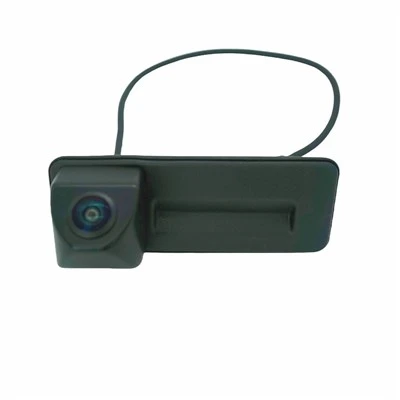
Before we explore the connection with the car's suspension, let's first understand what dynamic trajectory reverse cameras are. These cameras are a sophisticated addition to a vehicle's safety features. Unlike traditional reverse cameras, which simply provide a static view of what's behind the car, dynamic trajectory reverse cameras display guiding lines on the screen that move and adjust according to the steering wheel's position. This dynamic guidance helps drivers visualize the path the vehicle will take as they reverse, making it easier to park in tight spaces and avoid obstacles.
Our company offers a range of high - quality dynamic trajectory reverse cameras, such as the MQB PQ MIB Original Stereo CanBus Car Reversing Parking Camera, Volkswagen MIB Dynamic Guidelines Backup Camera (Dedicated Interface), and Toyota OEM Protocol Dynamic Guideline Camera (10.25" Screen Edition). These cameras are designed to provide accurate and reliable dynamic guidance for different vehicle models.
How the Suspension System Affects Reverse Camera Performance
The suspension system of a car plays a crucial role in the overall driving experience, and it also has a direct impact on the performance of dynamic trajectory reverse cameras. The suspension is responsible for maintaining contact between the tires and the road surface, absorbing shocks, and ensuring a smooth ride. When a vehicle is in motion, especially during reversing, the suspension undergoes various changes that can affect the camera's field of view and the accuracy of the dynamic guiding lines.
Changes in Vehicle Height
One of the primary ways the suspension affects the reverse camera is through changes in vehicle height. When a car is loaded with passengers or cargo, the suspension compresses, causing the rear of the vehicle to lower. This change in height can alter the angle at which the reverse camera is pointing. As a result, the field of view captured by the camera may shift, and the dynamic guiding lines may no longer accurately represent the vehicle's path.
For example, if a car is carrying a heavy load in the trunk, the rear suspension will sag. The reverse camera, which is typically mounted on the rear of the vehicle, will then be pointed slightly downward compared to when the vehicle is unloaded. This downward shift can cause the camera to capture a view that is closer to the ground, and the dynamic guiding lines may appear to be lower than they should be, leading to potential miscalculations when reversing.
Suspension Movement during Reversing
In addition to changes in vehicle height, the suspension also moves during the reversing process. When a driver turns the steering wheel while reversing, the vehicle's weight shifts, causing the suspension to compress and expand on different sides. This movement can cause the vehicle to tilt slightly, which in turn affects the camera's position and orientation.
If the suspension on one side of the vehicle compresses more than the other during a turn, the vehicle will tilt. The reverse camera will then capture a skewed view, and the dynamic guiding lines may not align correctly with the actual path of the vehicle. This can make it difficult for the driver to accurately judge the distance and direction of the vehicle's movement.

How Dynamic Trajectory Reverse Cameras Compensate for Suspension Effects
To ensure accurate performance, dynamic trajectory reverse cameras are designed to compensate for the effects of the suspension system. Advanced algorithms are used to analyze the data from the camera and other sensors in the vehicle to adjust the dynamic guiding lines in real - time.
Sensor Integration
Most modern dynamic trajectory reverse cameras are integrated with other sensors in the vehicle, such as accelerometers and gyroscopes. These sensors can detect changes in the vehicle's orientation, acceleration, and movement. By analyzing the data from these sensors, the camera system can determine how the suspension is affecting the vehicle's position and adjust the dynamic guiding lines accordingly.
For example, if the accelerometer detects that the vehicle is tilting due to suspension movement, the camera system can calculate the degree of tilt and adjust the guiding lines to account for the change in the vehicle's orientation. This ensures that the guiding lines accurately represent the path of the vehicle, even when the suspension is in motion.
Calibration
Another important aspect of compensation is calibration. When a dynamic trajectory reverse camera is installed in a vehicle, it undergoes a calibration process to ensure that the guiding lines are accurate under normal driving conditions. However, as the suspension wears over time or the vehicle's load changes, the calibration may need to be adjusted.
Some advanced camera systems are capable of self - calibration. They continuously monitor the performance of the camera and the vehicle's sensors and make small adjustments to the guiding lines as needed. This helps to maintain the accuracy of the dynamic guidance, even as the suspension system ages or the vehicle's operating conditions change.
The Importance of Compatibility between Cameras and Suspension Systems
For optimal performance, it is essential that the dynamic trajectory reverse camera is compatible with the vehicle's suspension system. Different vehicles have different suspension setups, and the camera system needs to be calibrated to work effectively with these specific setups.
Vehicle - Specific Design
Our company takes into account the unique characteristics of different vehicle models when designing dynamic trajectory reverse cameras. For example, the Volkswagen MIB Dynamic Guidelines Backup Camera (Dedicated Interface) is specifically designed for Volkswagen vehicles with the MIB system. This camera is calibrated to work seamlessly with the suspension and other systems in Volkswagen cars, ensuring accurate dynamic guidance.
After - Market Considerations
When installing an after - market dynamic trajectory reverse camera, it is crucial to choose a camera that is compatible with the vehicle's suspension. An incompatible camera may not be able to accurately compensate for the suspension effects, leading to inaccurate guiding lines and potential safety risks.
Conclusion
The relationship between dynamic trajectory reverse cameras and the car's suspension system is complex but essential for ensuring safe and convenient reversing. By understanding how the suspension affects the camera's performance and how the camera compensates for these effects, drivers can make the most of this advanced safety feature.
As a supplier of dynamic trajectory reverse cameras, we are committed to providing high - quality products that are designed to work effectively with a wide range of vehicle suspension systems. Our cameras are continuously updated with the latest technology to ensure accurate and reliable performance.
If you are interested in purchasing our dynamic trajectory reverse cameras or have any questions about how they work with your vehicle's suspension system, please feel free to contact us for a detailed discussion. We look forward to helping you enhance the safety and convenience of your driving experience.
References
- Automotive Engineering Handbook, Society of Automotive Engineers
- Research papers on vehicle safety systems and camera technology from academic journals.


