


Hey there, fellow Land Rover enthusiasts! As a supplier of Land Rover reversing camera decoding modules, I often get asked about the installation costs associated with these nifty devices. In this blog post, I'm gonna break down the factors that influence the installation cost and give you a rough idea of what you might expect to pay.
First off, let's talk about what a Land Rover reversing camera decoding module actually does. Simply put, it's a device that allows your Land Rover's existing infotainment system to display the feed from a reversing camera. This is super handy for backing up safely, especially in tight spots or when there are obstacles you can't see in your rearview mirror.
Now, onto the installation costs. There are a few key factors that can affect how much you'll pay to get your decoding module installed.
1. Type of Decoding Module
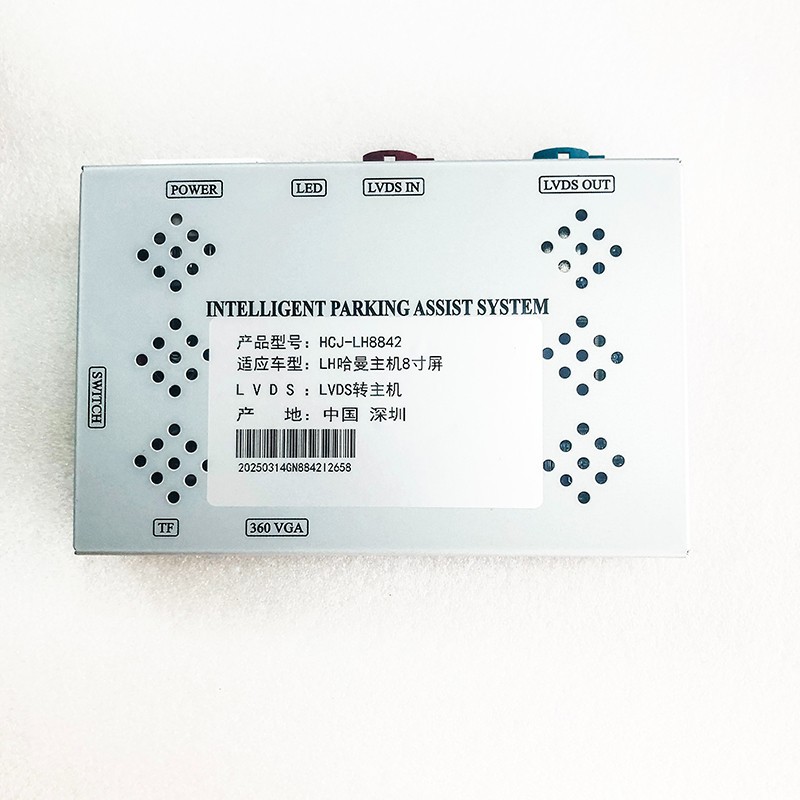
The type of decoding module you choose plays a big role in the installation cost. We offer a range of different modules to suit various Land Rover models and years. For example, our Land Rover/Jaguar Full-Range LVDS Dual-Screen Reverse Camera Decoder Module (2018 - 2024 Full Compatibility) is designed to work with a wide range of Land Rover and Jaguar models from 2018 to 2024. This module is a bit more advanced and may require more complex installation, which could drive up the cost.
On the other hand, our Land Rover Harman 8" Reverse Camera Decoder Module (Full 2016 - 2017 Model Compatibility) is specifically tailored for Land Rover models from 2016 - 2017 with Harman 8" infotainment systems. Since it's more model-specific, the installation might be a bit simpler and potentially less expensive.
Another option is our Land Rover/Jaguar Dual-Screen Reverse Camera Decoder Module (Full 2018 - 2020 Model Compatibility), which is designed for dual-screen setups in certain Land Rover and Jaguar models from 2018 - 2020. Again, the complexity of the installation will depend on the specific requirements of your vehicle.
2. Vehicle Model and Year
Different Land Rover models and years have different electrical systems and infotainment setups. This means that the installation process can vary significantly from one vehicle to another. For example, newer models may have more advanced technology and wiring, which could make the installation more challenging and time-consuming. Older models, on the other hand, might have simpler systems, but they could also have issues with compatibility that need to be addressed during installation.

3. Installation Location
Where you get your decoding module installed can also impact the cost. If you take your Land Rover to a dealership, they'll likely charge a premium for their services. Dealerships have higher overhead costs, and they may also use more expensive parts. However, they do have the advantage of having technicians who are specifically trained to work on Land Rovers.
Alternatively, you could go to an independent auto shop. These shops may offer more competitive pricing, but you'll need to make sure they have experience working with Land Rover vehicles and installing reversing camera decoding modules. You could also attempt to install the module yourself if you're handy with tools and have some basic knowledge of automotive electrical systems. However, this is not recommended unless you're confident in your abilities, as a botched installation could cause damage to your vehicle.
4. Labor Costs
Labor costs are a major component of the installation cost. The amount of time it takes to install a decoding module can vary depending on the factors mentioned above. On average, you can expect the installation to take anywhere from 1 to 3 hours. Labor rates can also vary depending on the location and the shop you choose. In general, you can expect to pay anywhere from $50 to $150 per hour for labor.
Rough Estimates
So, what can you expect to pay in total for the installation of a Land Rover reversing camera decoding module? Here are some rough estimates:
- Basic Installation (Simple Module, Older Vehicle): If you have an older Land Rover model and choose a relatively simple decoding module, you might be able to get the installation done for around $150 - $300. This would include the cost of the module and labor.
- Standard Installation (Mid - Range Module, Newer Vehicle): For a newer Land Rover model and a mid - range decoding module, the total cost could be in the range of $300 - $600. This accounts for the more complex installation process and potentially higher labor costs.
- Advanced Installation (High - End Module, Dual - Screen Setup): If you opt for a high - end decoding module, especially one for a dual - screen setup, the total cost could be upwards of $600 - $1000 or more. This is due to the advanced technology and the additional time and expertise required for installation.
It's important to note that these are just rough estimates, and the actual cost could be higher or lower depending on your specific circumstances.
Why It's Worth It
Even though the installation cost of a Land Rover reversing camera decoding module might seem a bit steep at first, it's definitely worth the investment. Having a reversing camera can greatly improve your safety and make parking and backing up a breeze. It can also help prevent costly damage to your vehicle from collisions with other cars, walls, or objects.
If you're interested in purchasing a Land Rover reversing camera decoding module and getting it installed, I'd love to help. Just reach out to me, and we can discuss your specific needs and get you a more accurate quote. Whether you're looking for a simple module for an older vehicle or a high - end solution for a newer model, we've got you covered.
In conclusion, the installation cost of a Land Rover reversing camera decoding module depends on several factors, including the type of module, your vehicle model and year, the installation location, and labor costs. By understanding these factors, you can make an informed decision and ensure that you get the best value for your money.
References
- General automotive knowledge and experience in the Land Rover reversing camera decoding module industry.


