


When it comes to the world of automotive safety and convenience, dynamic trajectory reverse cameras have emerged as a game - changer. As a prominent supplier of dynamic trajectory reverse cameras, I often receive inquiries about various technical aspects of these devices, and one question that frequently surfaces is: "What is the aspect ratio of a dynamic trajectory reverse camera's display?"
Understanding Aspect Ratio
Aspect ratio is a fundamental concept in the realm of visual displays. It is defined as the proportional relationship between the width and the height of an image or a display screen. It is typically expressed as two numbers separated by a colon, such as 4:3 or 16:9. For instance, in a 16:9 aspect ratio, for every 16 units of width, there are 9 units of height.
The aspect ratio of a dynamic trajectory reverse camera's display plays a crucial role in determining the field of view and the overall clarity of the image presented to the driver. A well - chosen aspect ratio can enhance the functionality of the reverse camera, providing a more accurate and useful view of the area behind the vehicle.
Common Aspect Ratios in Dynamic Trajectory Reverse Cameras
4:3 Aspect Ratio
The 4:3 aspect ratio was once the standard for many displays, including older television sets and computer monitors. In the context of dynamic trajectory reverse cameras, a 4:3 aspect ratio offers a relatively square - shaped image. This aspect ratio can be beneficial in some situations as it provides a balanced view of the area behind the vehicle. It can capture a decent amount of vertical and horizontal space, allowing the driver to see objects both directly behind the vehicle and at a reasonable distance to the sides.
However, one drawback of the 4:3 aspect ratio is that it may not provide as wide a horizontal field of view as some other aspect ratios. In modern vehicles, where parking spaces are often tight and there is a need to be aware of obstacles on the sides, this limitation can be a concern.
16:9 Aspect Ratio
The 16:9 aspect ratio has become the industry standard for most modern displays, including high - definition televisions and computer monitors. In dynamic trajectory reverse cameras, a 16:9 aspect ratio offers a wider horizontal field of view. This is particularly useful when reversing a vehicle, as it allows the driver to see more of the sides of the vehicle, which can be crucial for avoiding obstacles such as other cars, curbs, or pedestrians.
The 16:9 aspect ratio also provides a more cinematic and immersive viewing experience. It is better suited for displaying high - definition video, which is becoming increasingly important in reverse cameras as the demand for clear and detailed images grows.
21:9 Aspect Ratio
The 21:9 aspect ratio, also known as an ultra - wide aspect ratio, is a relatively new addition to the world of dynamic trajectory reverse cameras. This aspect ratio offers an extremely wide horizontal field of view, which can be a significant advantage in large vehicles or in situations where there is a need to have a comprehensive view of the area behind the vehicle.
However, the 21:9 aspect ratio may not be as common in reverse cameras due to its specialized nature. It requires a more advanced display technology and may not be compatible with all vehicle systems. Additionally, the extreme width may cause some distortion at the edges of the image.
Factors Influencing the Choice of Aspect Ratio
Vehicle Type
The type of vehicle plays a significant role in determining the appropriate aspect ratio for a dynamic trajectory reverse camera. For example, in a compact car, a 16:9 aspect ratio may be sufficient as it provides a good balance between horizontal and vertical view. On the other hand, in a large SUV or a commercial vehicle, a 21:9 aspect ratio may be more suitable as it can offer a wider view of the area behind the vehicle, which is essential for safely maneuvering these larger vehicles.
User Preference
Some drivers may have a personal preference for a particular aspect ratio based on their past experiences or visual perception. For example, drivers who are used to the traditional 4:3 aspect ratio may feel more comfortable with the balanced view it provides, while others may prefer the wider view offered by the 16:9 or 21:9 aspect ratios.
Compatibility with Vehicle Systems
The aspect ratio of the reverse camera's display must be compatible with the vehicle's existing infotainment or display system. Some older vehicles may only support certain aspect ratios, which can limit the choice of reverse cameras. In such cases, it is important to ensure that the chosen aspect ratio works seamlessly with the vehicle's system to avoid any compatibility issues.
Our Product Range and Aspect Ratios
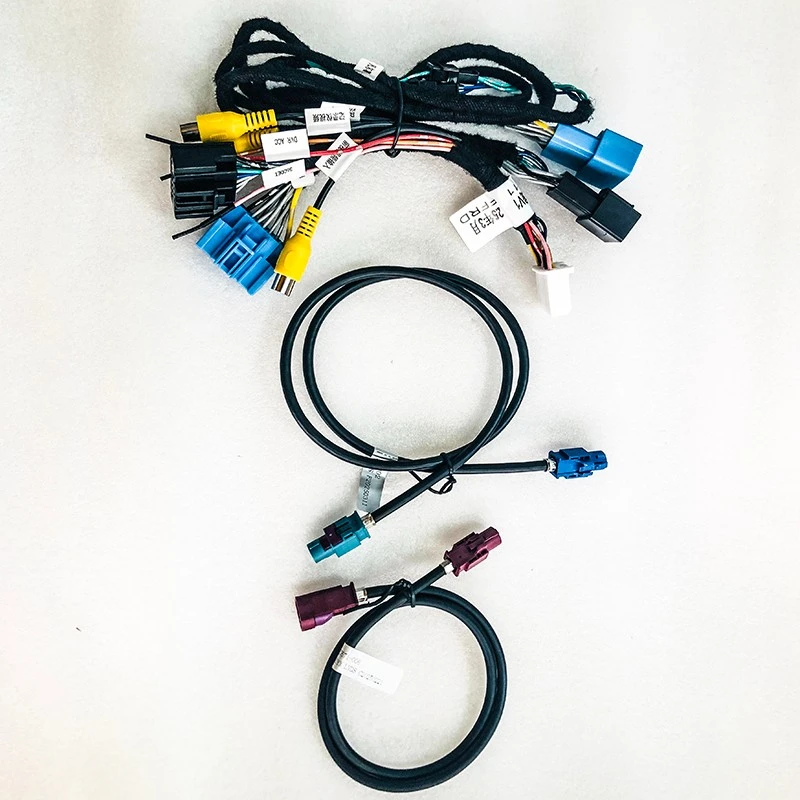
As a dynamic trajectory reverse camera supplier, we offer a wide range of products with different aspect ratios to meet the diverse needs of our customers. For example, our Peugeot/Citroën Next - Gen Reverse Decoder Module (Compatible with 2022 - 2024 Models) is designed to work with a variety of aspect ratios, ensuring compatibility with different vehicle models.
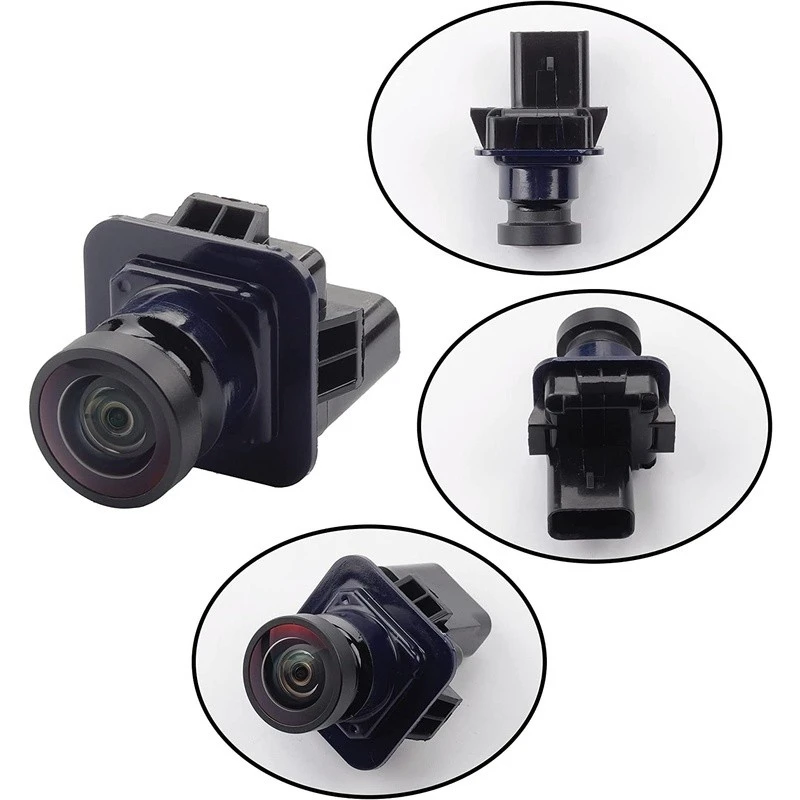
We also have the Lincoln MKC (Part No. EJ7T19G490) 2015 - 2019 OEM Backup Camera, which comes with a 16:9 aspect ratio display. This provides a clear and wide view of the area behind the vehicle, making it easier for the driver to park and reverse safely.
In addition, our Multi - Brand High - Mount Brake Light Camera for Renault/Opel/Nissan offers flexibility in aspect ratio options. Customers can choose the aspect ratio that best suits their vehicle type and personal preferences.
Importance of Aspect Ratio in Safety
The aspect ratio of a dynamic trajectory reverse camera's display is directly related to the safety of the vehicle and its occupants. A well - chosen aspect ratio can provide a more accurate view of the area behind the vehicle, reducing the risk of collisions with obstacles, pedestrians, or other vehicles.
For example, a wider aspect ratio such as 16:9 or 21:9 can help the driver to see objects on the sides of the vehicle more clearly, which is especially important when reversing out of a parking space or a driveway. This can prevent accidents that may occur due to blind spots.
Conclusion
In conclusion, the aspect ratio of a dynamic trajectory reverse camera's display is a critical factor that can significantly impact the functionality and safety of the device. As a supplier, we understand the importance of offering a variety of aspect ratio options to meet the diverse needs of our customers. Whether it's a 4:3, 16:9, or 21:9 aspect ratio, each has its own advantages and disadvantages, and the choice depends on factors such as vehicle type, user preference, and compatibility with the vehicle system.
If you are interested in purchasing dynamic trajectory reverse cameras or have any questions about aspect ratios and our product range, we invite you to contact us for a detailed discussion. Our team of experts is ready to assist you in finding the perfect reverse camera solution for your vehicle.
References
- "Automotive Display Technology" - A research paper on the latest trends in automotive display technology, including aspect ratios.
- "Safety Benefits of Reverse Cameras" - A study on how reverse cameras improve vehicle safety, with a focus on the role of aspect ratio.


