


Hey there, folks! As a supplier of dynamic trajectory reverse cameras, I often get asked about the frame rate of these nifty devices. So, let's dive right in and break it down.
First off, what's frame rate anyway? In simple terms, the frame rate of a camera refers to the number of individual frames or images it captures per second. It's usually measured in frames per second (fps). A higher frame rate means smoother and more fluid video playback, while a lower frame rate can result in choppy and less detailed footage.
Now, when it comes to dynamic trajectory reverse cameras, the frame rate plays a crucial role in providing a clear and accurate view of what's behind your vehicle. Imagine you're backing out of a tight parking spot or maneuvering in a crowded area. You need to be able to see any obstacles or pedestrians in real - time, and a good frame rate ensures that.
Most dynamic trajectory reverse cameras on the market typically have a frame rate ranging from 25fps to 60fps. A camera with a 25fps frame rate is decent for general use. It can give you a basic view of the area behind your car, and it's often sufficient for slower reversing maneuvers. However, if you're in a situation where you need to react quickly, like when there are fast - moving objects or you're backing up at a relatively high speed, a 25fps camera might not be the best choice.
On the other hand, a camera with a 60fps frame rate offers a much smoother and more detailed view. The high frame rate allows for better tracking of moving objects, and it reduces the chances of missing any important details. For example, if a small child or an animal suddenly runs behind your car while you're reversing, a 60fps camera will be able to capture the movement more clearly, giving you more time to react.
But here's the thing: a higher frame rate also comes with some trade - offs. Cameras with a 60fps frame rate usually consume more power and may require a more robust data transmission system. This can lead to higher costs, both in terms of the camera itself and the installation. So, when choosing a dynamic trajectory reverse camera, you need to balance your needs with your budget.
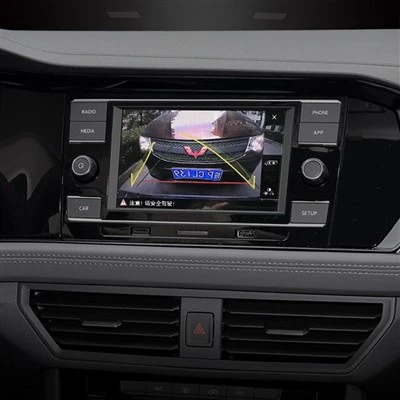
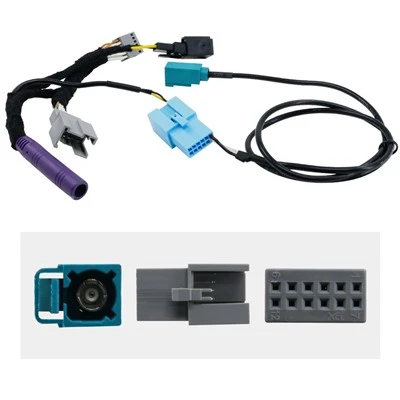
At our company, we offer a wide range of dynamic trajectory reverse cameras with different frame rates to suit various customer requirements. For instance, our Audi Q3/Q5/A5 Exclusive MIB3 Flush - Mount Reverse Camera is a high - end option that provides a smooth 60fps frame rate. It's specifically designed for Audi Q3, Q5, and A5 models with the MIB3 system, offering a seamless and integrated solution for your reversing needs.
If you're looking for a more budget - friendly option without sacrificing too much on quality, our MQB PQ MIB Original Stereo CanBus Car Reversing Parking Camera is a great choice. It has a frame rate of 25fps, which is still good enough for most everyday reversing situations.
And for Volkswagen owners, our Volkswagen MIB Dynamic Guidelines Backup Camera (Dedicated Interface) offers a balance between performance and cost. It has a frame rate that can be adjusted according to your preferences, allowing you to optimize the camera's performance based on your driving habits.
When it comes to installation, it's important to note that the frame rate can also be affected by the quality of the wiring and the connection to your vehicle's display system. A poor connection or low - quality wiring can cause a drop in frame rate, resulting in a less - than - optimal viewing experience. So, make sure to have your camera installed by a professional to ensure the best performance.
In addition to the frame rate, there are other factors to consider when choosing a dynamic trajectory reverse camera. The resolution of the camera is also important. A higher resolution means sharper and more detailed images. The viewing angle of the camera can also make a big difference. A wider viewing angle allows you to see more of the area behind your vehicle, reducing blind spots.
Another factor is the dynamic trajectory feature itself. This feature uses the steering angle of your vehicle to project a set of guidelines on the display, showing you the path your vehicle will take as you reverse. It's a very useful feature that can make reversing much easier and safer.
To sum it up, the frame rate of a dynamic trajectory reverse camera is an important factor that can significantly impact your reversing experience. Whether you choose a 25fps or 60fps camera depends on your specific needs and budget. At our company, we're committed to providing high - quality cameras that offer the best combination of frame rate, resolution, and other features.
If you're interested in purchasing a dynamic trajectory reverse camera, or if you have any questions about frame rates or other aspects of our products, don't hesitate to reach out. We're here to help you make the right choice for your vehicle. Whether you're a car enthusiast looking for the latest technology or a regular driver just wanting to make reversing safer, we've got you covered.
So, why wait? Contact us today to start the procurement process and take the first step towards a safer and more convenient reversing experience.
References
- General knowledge about automotive camera technology and frame rates.
- Product specifications of our dynamic trajectory reverse cameras.


