


In the realm of automotive safety and convenience, the high - mount brake light camera has emerged as a crucial component, especially for commercial vehicles like the Ford Transit. As a dedicated supplier of the Ford Transit High - Mount Brake Light Camera, I am well - versed in the various aspects of this product, with a particular focus on its low - light performance.
Understanding the Importance of Low - Light Performance
Low - light conditions, such as at night, during heavy rain, or in dark parking lots, present unique challenges for drivers. Visibility is significantly reduced, and potential hazards can easily go unnoticed. A high - mount brake light camera with excellent low - light performance can act as an extra set of eyes for the driver, providing a clear view of the area behind the vehicle. This is crucial for safe reversing, preventing collisions with pedestrians, other vehicles, or stationary objects.
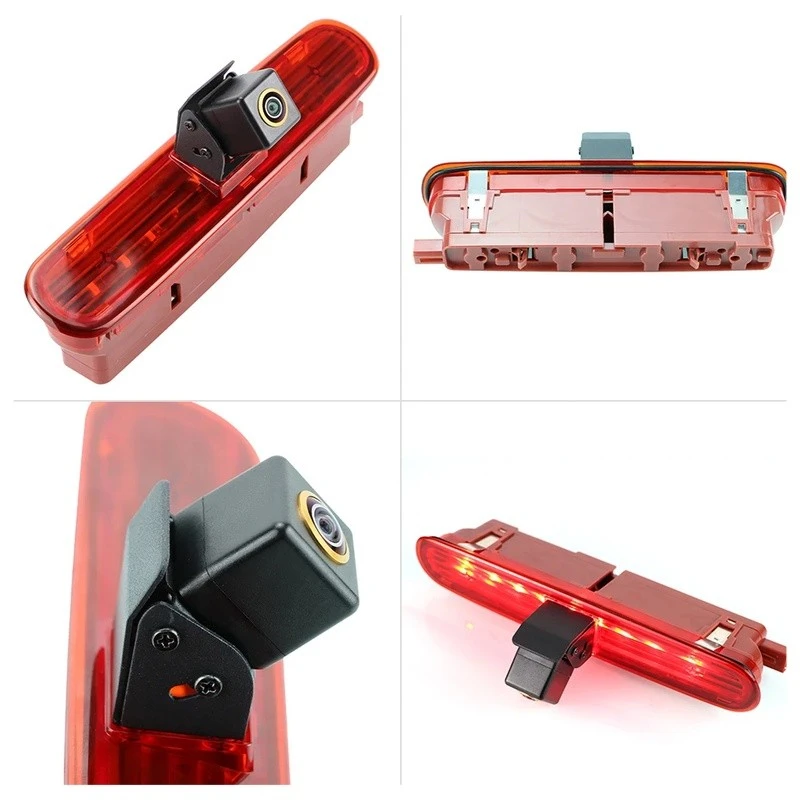
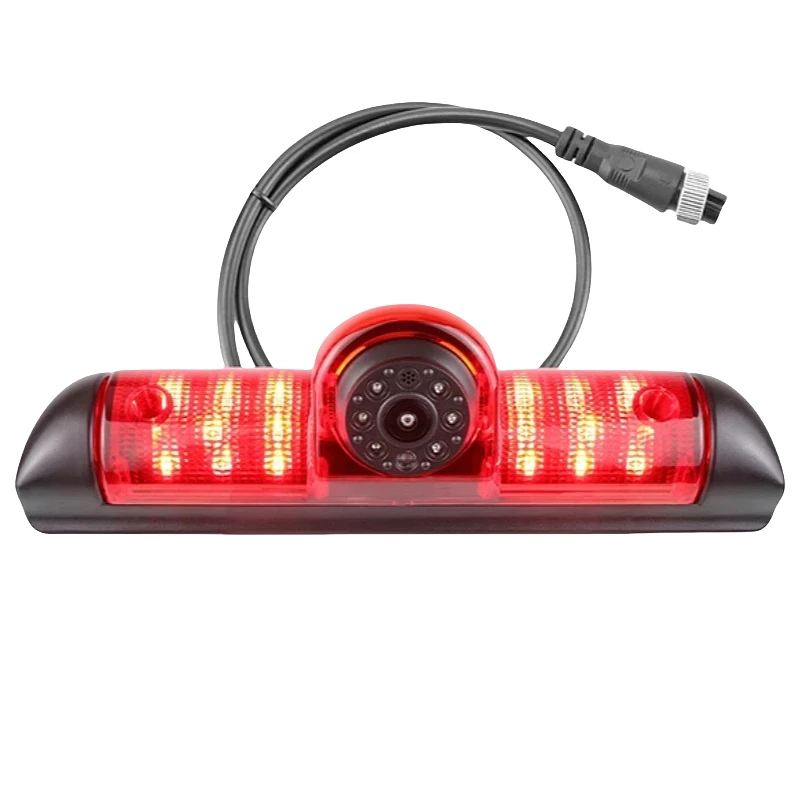
Technical Features Affecting Low - Light Performance
Sensor Technology
The heart of any camera is its sensor. Our Ford Transit High - Mount Brake Light Camera is equipped with a state - of the - art image sensor. These sensors are designed to capture more light in low - light conditions. They have a high sensitivity to photons, which means they can detect the limited available light and convert it into a high - quality image. For example, some of the sensors used in our cameras have a large pixel size. Larger pixels can collect more light, resulting in brighter and clearer images even in the dark.
Image Processing Algorithms
In addition to the sensor, advanced image processing algorithms play a vital role in enhancing low - light performance. Our cameras use sophisticated algorithms to reduce noise, which is a common problem in low - light images. Noise can make the image appear grainy and reduce the clarity of the details. The algorithms analyze the image data and selectively remove the noise while preserving the important features. They also adjust the contrast and brightness of the image to make it more visible. For instance, if there is a dark area in the image, the algorithm can increase the brightness of that area without overexposing the brighter parts.
Infrared (IR) Illumination
Some of our Ford Transit High - Mount Brake Light Cameras are equipped with infrared illumination. Infrared light is invisible to the human eye but can be detected by the camera sensor. In low - light conditions, the IR LEDs in the camera emit infrared light, which illuminates the area behind the vehicle. The camera then captures the reflected infrared light to create a clear image. This technology is particularly useful in complete darkness, where there is no ambient light available.
Real - World Performance
Night - Time Reversing
In real - world scenarios, the low - light performance of our Ford Transit High - Mount Brake Light Camera shines through. When a driver is reversing at night, the camera provides a clear view of the area behind the vehicle. The high - quality image allows the driver to easily identify obstacles, such as parked cars, curbs, or even small animals. This not only enhances safety but also makes the reversing process more efficient.
Adverse Weather Conditions
Low - light conditions are often accompanied by adverse weather, such as rain or fog. Our cameras are designed to perform well in these conditions. The sensors are able to cut through the moisture and capture a clear image. The image processing algorithms also help to reduce the effects of raindrops or fog on the image, ensuring that the driver still has a reliable view of the surroundings.
Comparison with Other Products
There are other high - mount brake light cameras available in the market, such as the Fiat Ducato Citroën Jumper High - Mount Brake Light Camera, Multi - Brand High - Mount Brake Light Camera for Renault/Opel/Nissan, and Multi - Brand High - Mount Brake Light Camera for Fiat/Opel. While these cameras also offer certain features, our Ford Transit High - Mount Brake Light Camera stands out in terms of low - light performance. Our focus on using the latest sensor technology, advanced image processing algorithms, and in some cases, infrared illumination gives us an edge in providing clear and reliable images in low - light situations.
Benefits for Fleet Operators
For fleet operators of Ford Transit vehicles, the low - light performance of our high - mount brake light camera is a significant advantage. It reduces the risk of accidents, which can lead to costly repairs, downtime, and potential legal issues. By providing a clear view of the area behind the vehicle, the camera helps drivers to operate more safely, especially during night - time deliveries or when reversing in poorly lit areas. This not only improves the safety of the drivers but also protects the company's assets and reputation.
Conclusion and Call to Action
In conclusion, the low - light performance of our Ford Transit High - Mount Brake Light Camera is a result of advanced sensor technology, sophisticated image processing algorithms, and in some cases, infrared illumination. It provides a clear and reliable view of the area behind the vehicle in low - light conditions, enhancing safety and convenience for drivers.
If you are interested in learning more about our Ford Transit High - Mount Brake Light Camera or are looking to make a purchase, we encourage you to reach out to us for a detailed discussion. Our team of experts is ready to assist you with any questions you may have and guide you through the procurement process.
References
- Automotive Image Sensor Technology Handbook
- Advanced Image Processing for Vehicle Cameras Research Papers


