


As a supplier of dynamic trajectory reverse cameras, I often encounter various technical inquiries from customers. One question that frequently comes up is about the noise level of a dynamic trajectory reverse camera's image. In this blog post, I'll delve into this topic, exploring what image noise is, its sources in dynamic trajectory reverse cameras, and how it can impact the performance of these cameras. We'll also look at some of our products that are designed to minimize image noise and provide clear, reliable visuals for drivers.
Understanding Image Noise
Image noise refers to random variations in the brightness or color information in an image. It can manifest as grainy or speckled patterns, which can degrade the overall quality of the image and make it more difficult to discern details. In the context of dynamic trajectory reverse cameras, image noise can be particularly problematic as it can obscure important visual cues such as obstacles, lane markings, or the dynamic trajectory lines themselves.
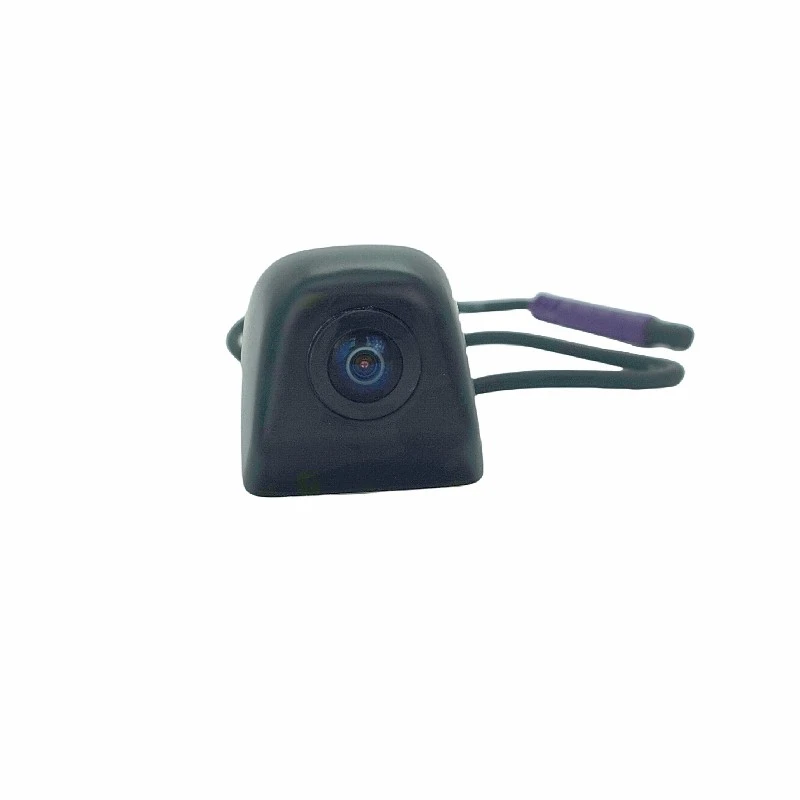
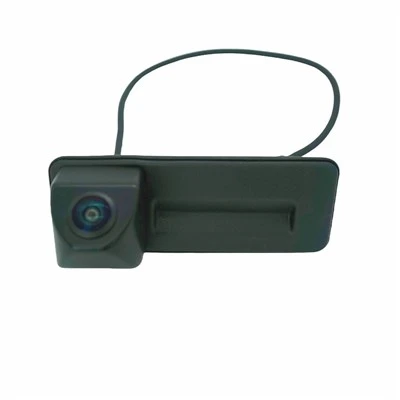
There are several types of image noise, including:
- Shot Noise: This type of noise is caused by the random arrival of photons at the camera's image sensor. It is inherent in the process of light detection and is proportional to the square root of the signal level. In low - light conditions, shot noise can become more prominent as the number of photons reaching the sensor is reduced.
- Read Noise: Read noise is generated during the process of converting the analog signal from the image sensor into a digital signal. It is related to the electronics in the camera, such as the amplifier and analog - to - digital converter. Read noise can vary depending on the quality of the camera's components and the operating temperature.
- Thermal Noise: Thermal noise is caused by the random motion of electrons in the camera's image sensor due to heat. As the temperature of the sensor increases, the thermal noise also increases. This can be a significant issue in cameras that are exposed to high - temperature environments or that have been operating for an extended period.
Sources of Image Noise in Dynamic Trajectory Reverse Cameras
In dynamic trajectory reverse cameras, there are several factors that can contribute to image noise:
- Low - Light Conditions: Reverse cameras often need to operate in low - light environments, such as at night or in poorly lit parking lots. In these conditions, the camera's image sensor may receive fewer photons, leading to an increase in shot noise. To compensate for the low light, the camera may increase the gain, which can also amplify the noise.
- Sensor Quality: The quality of the image sensor used in the camera plays a crucial role in determining the noise level. Higher - quality sensors are generally more sensitive to light and have lower levels of inherent noise. Cheaper sensors may have more noise due to their lower manufacturing standards and less advanced technology.
- Electrical Interference: Dynamic trajectory reverse cameras are connected to the vehicle's electrical system, which can introduce electrical interference. This interference can manifest as noise in the camera's image. Poorly shielded cables or faulty electrical connections can exacerbate this problem.
- Overheating: As mentioned earlier, thermal noise can be a significant issue in cameras. If the camera is not properly cooled or is exposed to high - temperature environments, the temperature of the image sensor can increase, leading to an increase in thermal noise.
Impact of Image Noise on Dynamic Trajectory Reverse Cameras
The presence of image noise in a dynamic trajectory reverse camera can have several negative impacts:
- Reduced Visibility: Noise can make it difficult to see important details in the camera's image, such as obstacles or the dynamic trajectory lines. This can reduce the effectiveness of the camera as a safety device and increase the risk of accidents.
- Inaccurate Trajectory Lines: The dynamic trajectory lines are an important feature of these cameras, as they help the driver to visualize the path of the vehicle when reversing. Image noise can distort these lines, making them less accurate and less useful for the driver.
- User Frustration: A noisy image can be frustrating for the driver, as it can make the camera difficult to use. This can lead to a negative user experience and may even cause the driver to rely less on the camera, defeating its purpose.
Minimizing Image Noise in Our Products
At our company, we are committed to providing high - quality dynamic trajectory reverse cameras with low levels of image noise. Here are some of the strategies we use to minimize noise in our products:
- High - Quality Sensors: We use high - quality image sensors that are designed to have low levels of inherent noise. These sensors are more sensitive to light, which allows them to capture clear images even in low - light conditions without the need for excessive gain.
- Advanced Signal Processing: Our cameras are equipped with advanced signal - processing algorithms that are designed to reduce noise while preserving the details in the image. These algorithms can distinguish between noise and real - world signals and selectively filter out the noise.
- Proper Electrical Design: We pay close attention to the electrical design of our cameras to minimize electrical interference. Our cables are well - shielded, and we use high - quality electrical components to ensure a stable and noise - free signal.
- Thermal Management: To prevent overheating and reduce thermal noise, we incorporate effective thermal management solutions in our cameras. This may include heat sinks or ventilation systems to keep the temperature of the image sensor within an acceptable range.
Our Product Recommendations
We offer a range of dynamic trajectory reverse cameras that are designed to provide clear, noise - free images. Here are some of our popular products:
- Audi Q3/Q5/A5 Exclusive MIB3 Flush - Mount Reverse Camera: This camera is specifically designed for Audi Q3, Q5, and A5 models with MIB3 systems. It features a flush - mount design for a seamless look and uses high - quality components to minimize image noise.
- Car Parking Reverse Rear Camera for Audi Vw Camera: This camera is suitable for Audi and VW vehicles. It offers a wide - angle view and advanced signal processing to reduce noise and provide clear images for parking and reversing.
- MQB PQ MIB Original Stereo CanBus Car Reversing Parking Camera: This camera is compatible with vehicles using MQB, PQ, and MIB systems. It uses CanBus technology for seamless integration and has been optimized to minimize image noise in various lighting conditions.
Contact Us for Purchase and Consultation
If you are interested in our dynamic trajectory reverse cameras or have any questions about image noise or our products, we encourage you to contact us. Our team of experts is ready to assist you with product selection, technical support, and purchasing inquiries. We are committed to providing you with the best possible solutions for your vehicle's reverse - camera needs.
References
- "Digital Image Processing" by Rafael C. Gonzalez and Richard E. Woods.
- "Fundamentals of Photonics" by Bahaa E. A. Saleh and Malvin Carl Teich.
- Technical documentation from camera sensor manufacturers.


