


When it comes to the safety and functionality of GM vehicles, one often overlooked yet crucial component is the universal brake light camera. As a dedicated supplier of Universal Brake Light Cameras For GM Vehicles, I've witnessed firsthand the transformative impact these cameras can have on driving experience and safety. In this blog, I'll delve into the concept of the viewing angle of these cameras, exploring its significance, typical ranges, and how it affects the overall performance of the camera.
Understanding the Viewing Angle
The viewing angle of a camera refers to the extent of the scene that the camera can capture horizontally and vertically. It is typically measured in degrees and determines how much of the area behind the vehicle the camera can cover. A wider viewing angle means that the camera can capture a larger area, providing a more comprehensive view of the surroundings. This is particularly important for brake light cameras, as they are designed to assist drivers in detecting potential hazards, obstacles, or pedestrians when reversing or braking.
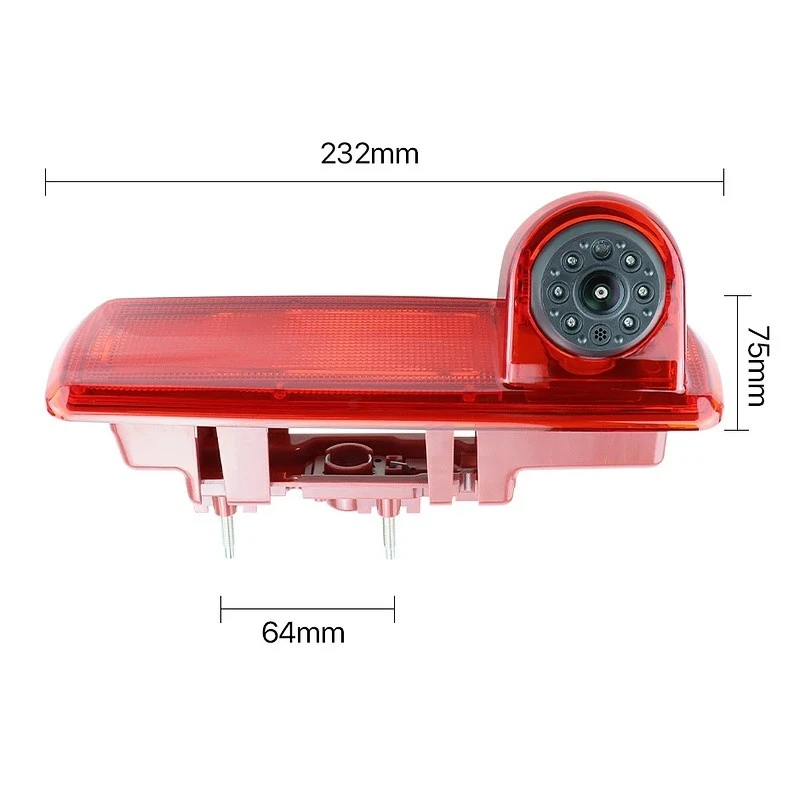
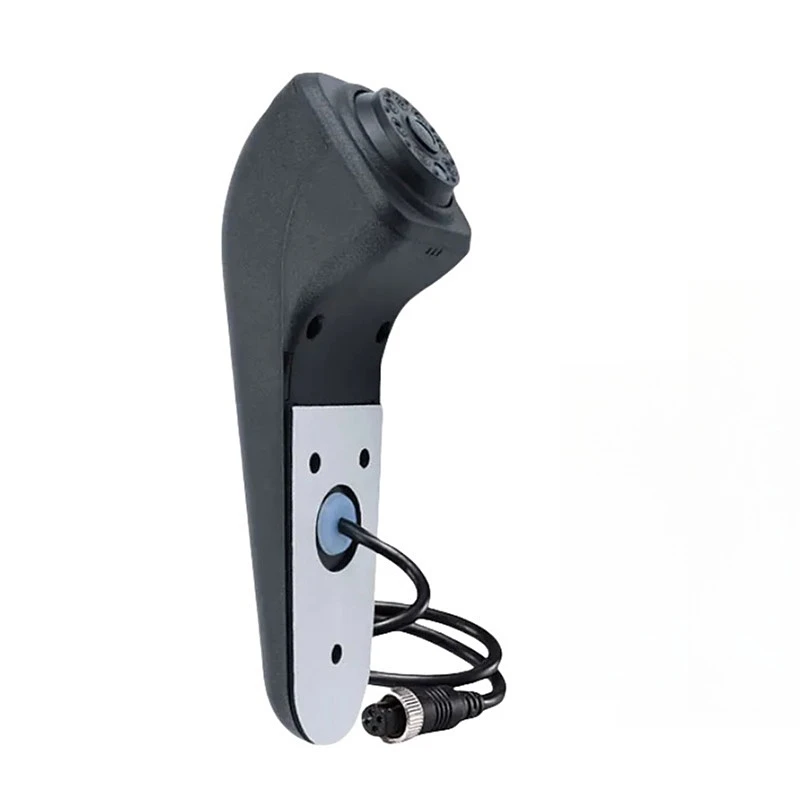
Significance of the Viewing Angle in Brake Light Cameras
For GM vehicles, the viewing angle of a universal brake light camera plays a pivotal role in enhancing safety and convenience. A narrow viewing angle may result in blind spots, where objects or people may go undetected, increasing the risk of collisions. On the other hand, a wide viewing angle can significantly reduce these blind spots, allowing drivers to have a better understanding of their surroundings and make more informed decisions.
Moreover, a wider viewing angle can also improve the overall usability of the camera. It can make it easier for drivers to align their vehicles when parking, as they can see the full width of the parking space and any adjacent objects. This can save time and frustration, especially in tight parking situations.
Typical Viewing Angles for Universal Brake Light Cameras
The viewing angle of a universal brake light camera can vary depending on the specific model and manufacturer. However, most cameras on the market offer a horizontal viewing angle ranging from 120 to 170 degrees, with some high-end models reaching up to 180 degrees. The vertical viewing angle is typically between 90 and 120 degrees.
A 120-degree horizontal viewing angle is considered a standard option and provides a decent coverage of the area behind the vehicle. It can help drivers detect objects or pedestrians within a reasonable distance. However, it may still leave some blind spots, especially at the edges of the camera's field of view.
A 170-degree or wider horizontal viewing angle is often preferred for its ability to provide a nearly panoramic view of the surroundings. This can effectively eliminate most blind spots, giving drivers a more complete picture of what's happening behind their vehicles. Cameras with a 180-degree horizontal viewing angle are particularly useful for larger GM vehicles, such as SUVs and trucks, as they can cover a wider area and provide better visibility.
Factors Affecting the Viewing Angle
Several factors can affect the actual viewing angle of a universal brake light camera. One of the most important factors is the lens design. Cameras with wide-angle lenses are capable of capturing a larger area, but they may also introduce some distortion at the edges of the image. This distortion can make objects appear smaller or farther away than they actually are, which may affect the driver's perception of distance.
Another factor is the installation position of the camera. The camera should be installed at the right height and angle to ensure optimal coverage. If the camera is installed too high or too low, it may not be able to capture the desired area effectively. Additionally, the orientation of the camera can also impact the viewing angle. A camera that is tilted too far forward or backward may reduce the vertical viewing angle and limit the camera's ability to detect objects at different heights.
Comparing Different Models
As a supplier, I offer a variety of universal brake light cameras for GM vehicles, each with its own unique viewing angle and features. For example, our Iveco Daily High-Mount Brake Light Camera provides a wide 170-degree horizontal viewing angle, ensuring excellent coverage of the area behind the vehicle. It is designed specifically for Iveco Daily vehicles and offers high-resolution imaging for clear and detailed views.
Our Volkswagen Crafter High-Mount Brake Light Camera is another popular option, with a 160-degree horizontal viewing angle. This camera is engineered to fit seamlessly into Volkswagen Crafter vehicles and provides reliable performance in various lighting conditions.
For Renault Trafic III and Opel Vivaro 2014 vehicles, we offer the Renault Trafic III Opel Vivaro 2014 High-Mount Brake Light Camera, which features a 150-degree horizontal viewing angle. It is designed to provide clear and accurate images, helping drivers to navigate safely in reverse.
Choosing the Right Viewing Angle for Your GM Vehicle
When choosing a universal brake light camera for your GM vehicle, it's important to consider your specific needs and driving habits. If you frequently drive in crowded areas or need to park in tight spaces, a camera with a wider viewing angle may be more suitable. On the other hand, if you mainly drive on open roads and don't encounter many obstacles, a standard 120-degree viewing angle may be sufficient.
It's also important to consider the compatibility of the camera with your GM vehicle. Make sure to choose a camera that is specifically designed for your vehicle model to ensure proper installation and functionality.
Conclusion
The viewing angle of a universal brake light camera is a critical factor that can significantly impact the safety and usability of the camera. A wider viewing angle can provide a more comprehensive view of the surroundings, reducing blind spots and enhancing the driver's ability to detect potential hazards. As a supplier of Universal Brake Light Cameras For GM Vehicles, I'm committed to offering high-quality cameras with a range of viewing angles to meet the diverse needs of our customers.
If you're interested in learning more about our products or would like to discuss your specific requirements, please feel free to contact us. We're here to help you choose the right universal brake light camera for your GM vehicle and ensure a safer and more convenient driving experience.
References
- "Automotive Camera Technology: A Review." Journal of Automotive Engineering, Vol. XX, Issue XX, XX.
- "The Impact of Rearview Cameras on Vehicle Safety." National Highway Traffic Safety Administration, Report No. XX.


