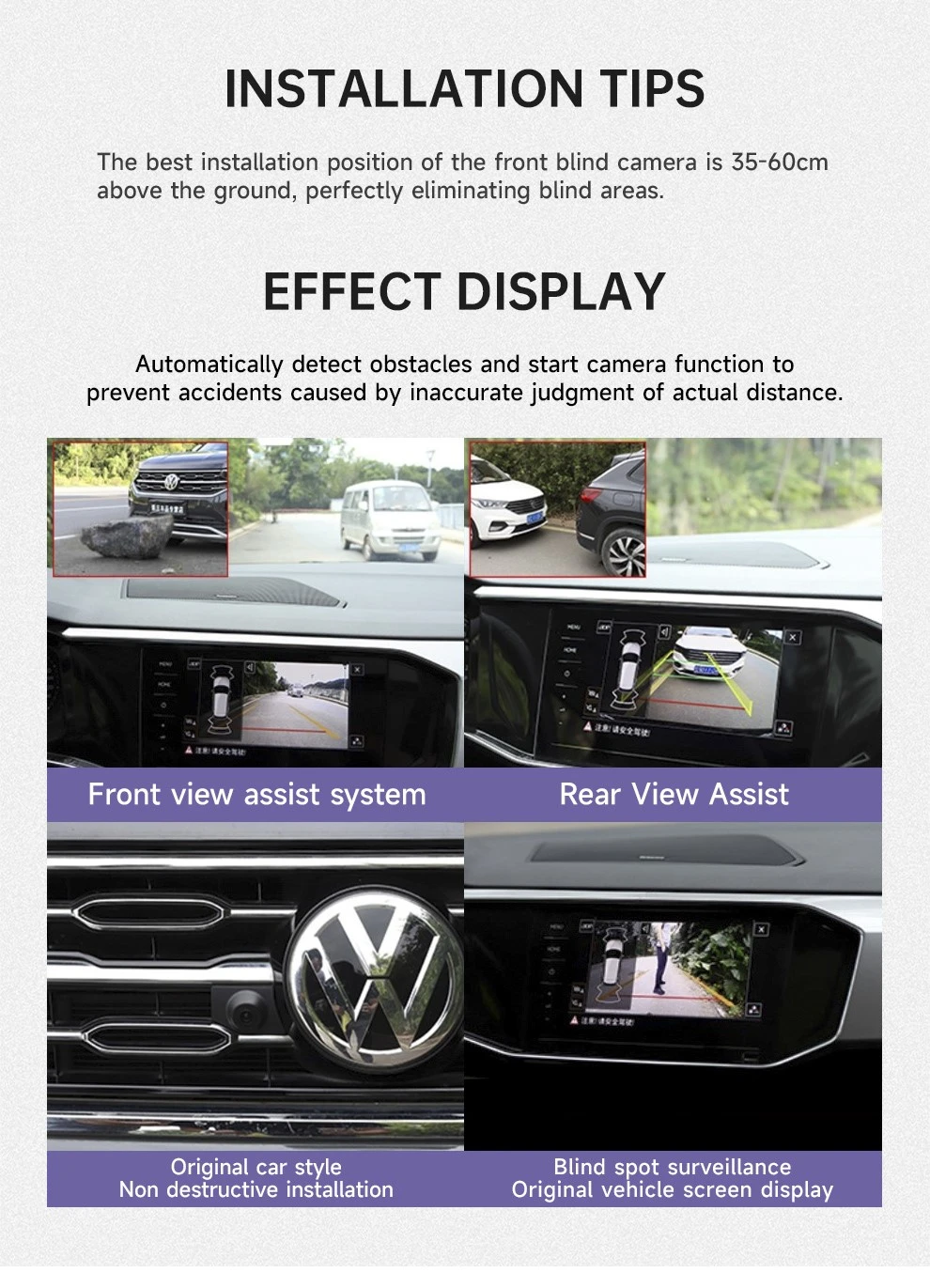
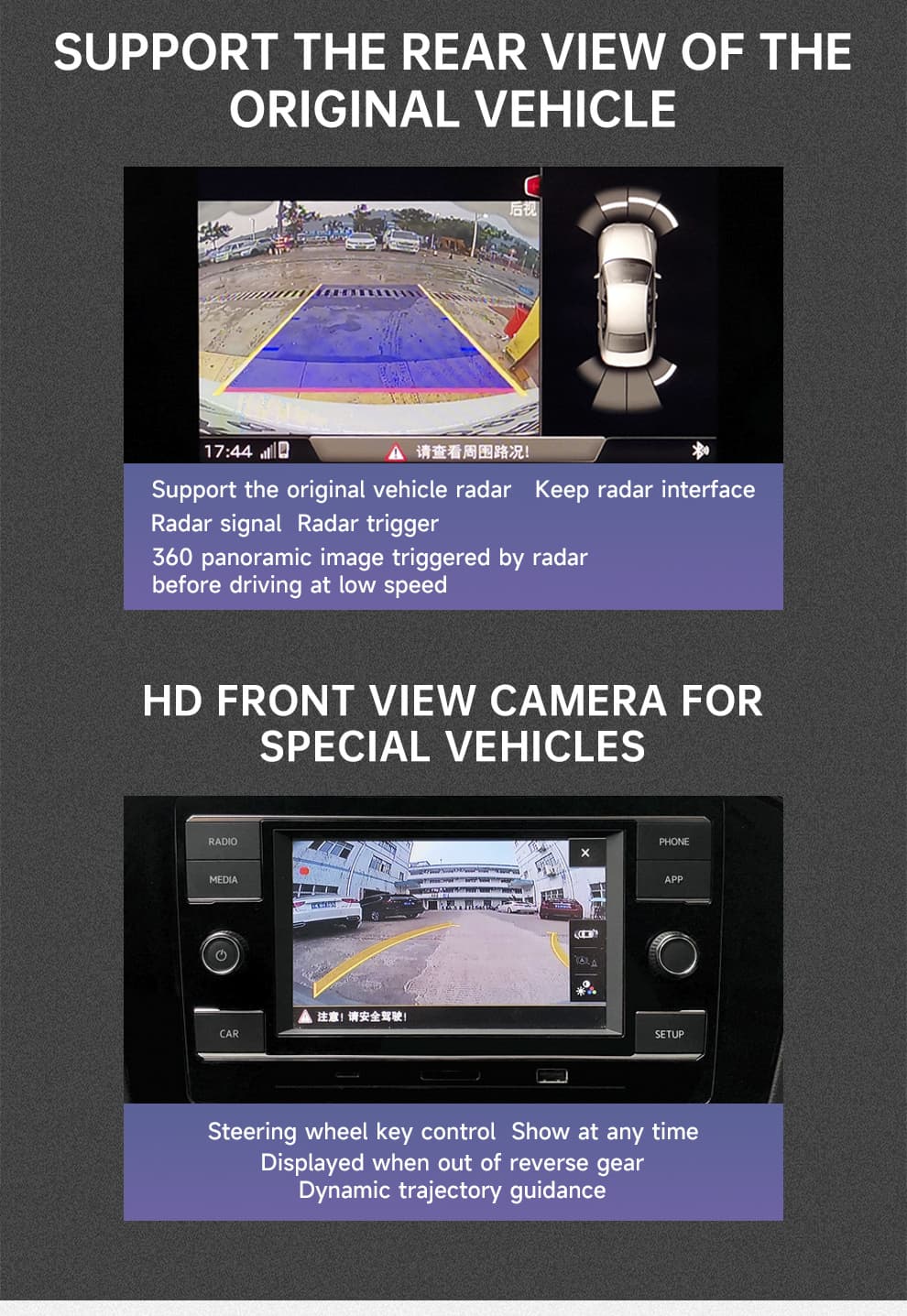
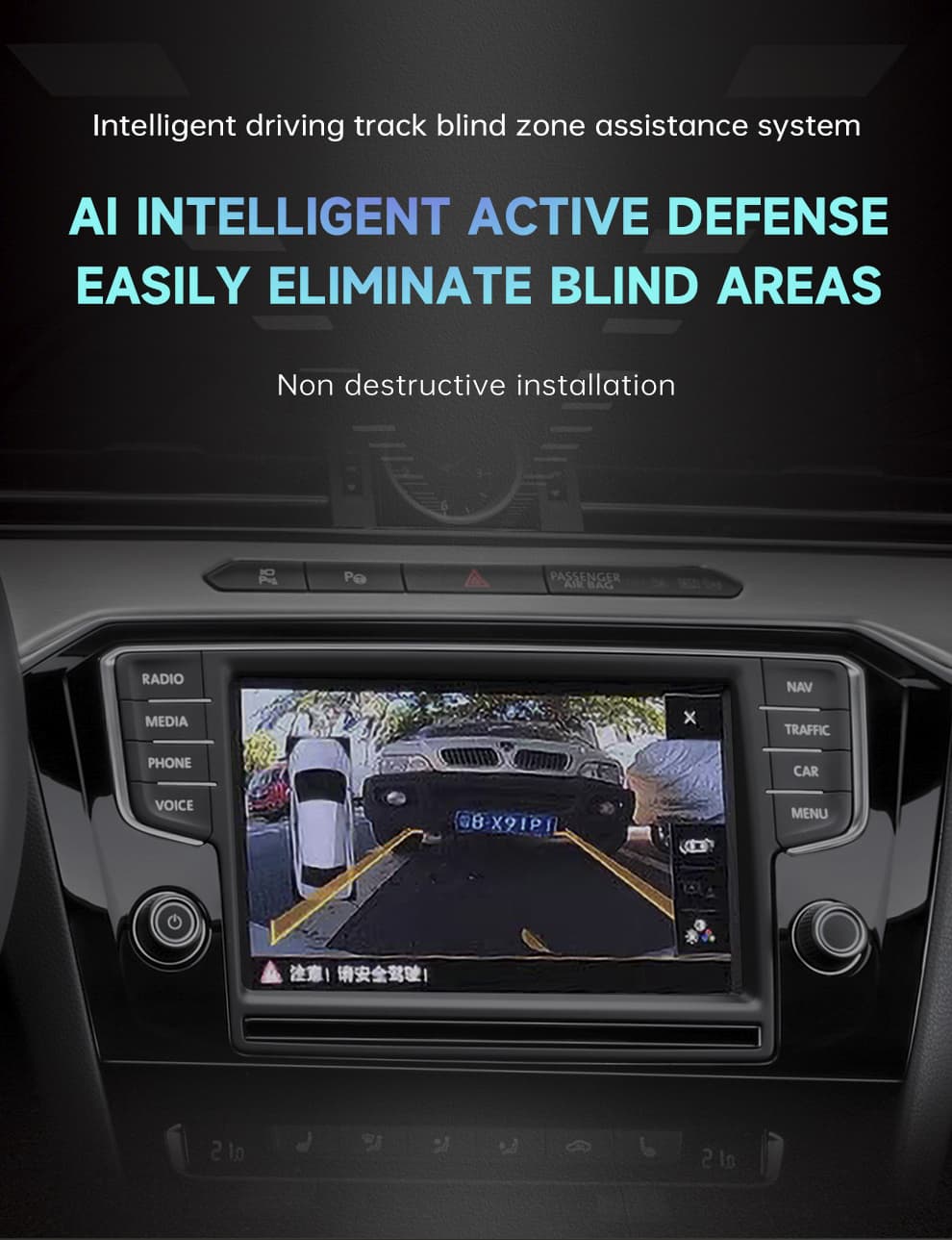
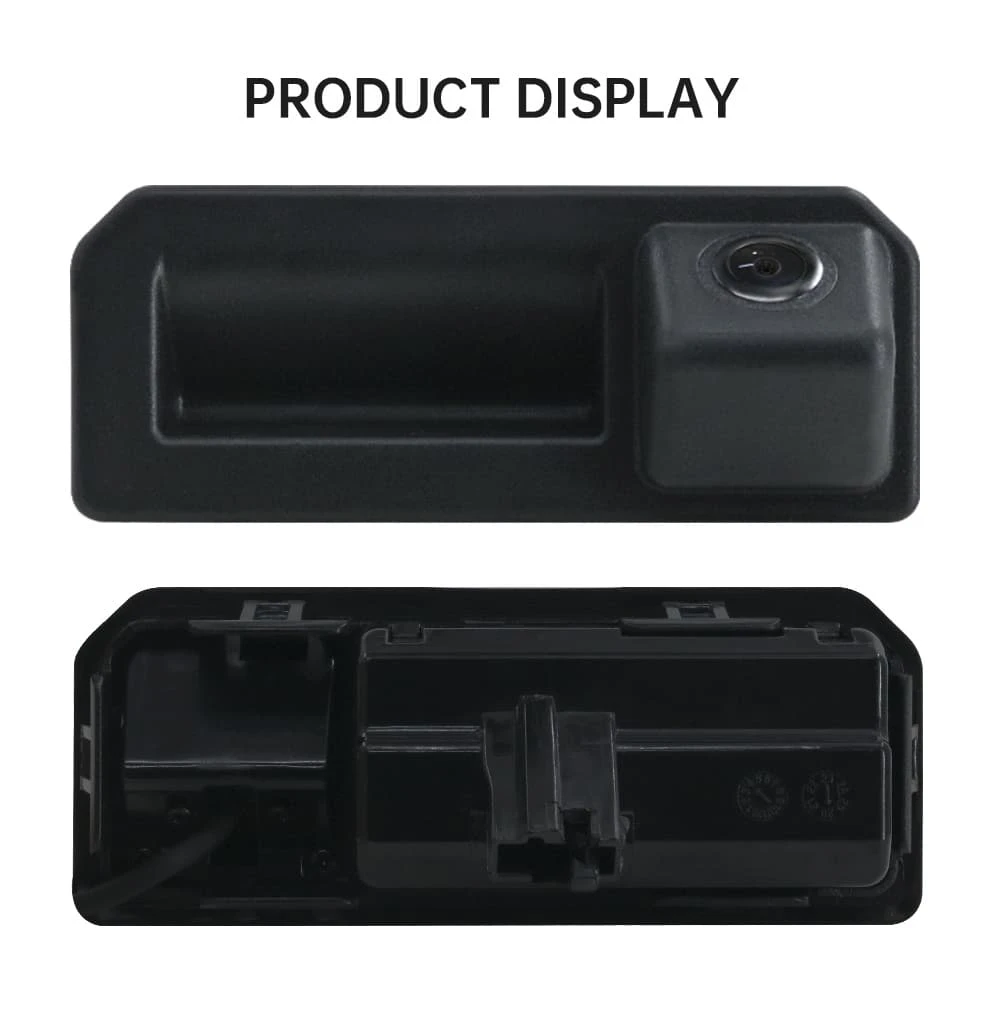
As intelligent technology sweeps the auto market, reverse cameras and 360° surround-view systems have become critical considerations for car buyers. According to the Intelligent Driving Configuration Consumer White Paper (China SAE, 2023), 78.6% of cars sold feature reverse cameras, while models with 360° systems boost user satisfaction by 42%. Yet 32% of consumers mistakenly believe reverse cameras suffice for parking. This analysis deciphers technical differences, usage scenarios, and purchasing pitfalls to help you avoid wasting thousands on ineffective configurations.
I. Core Tech Showdown: Coverage & Blind Spots
Reverse Cameras
● Use single rear lens + parking sensors
● Create 2D images limited by lens angle/focal length
● Example: One Chinese brand's system covers only 0.75–3m behind vehicles with 15°–20° blind zones.
360° Systems
● Deploy 5–8 wide-angle cameras + AI stitching
● Enable 360° coverage within 3m radius
● Real-world test: In narrow alleys, 360° systems detect obstacles 3.2 seconds earlier than reverse cameras (300% improvement).
II. Buyer's Trap Analysis: Decoding Critical Specs
1. Lens Quality = Image Clarity
● Reverse cameras: Require 7MP+ sensors & F1.4 aperture
● 360° systems: Need fisheye distortion correction (e.g., Huawei HiPerVision's AI calibration)
2. Algorithm Intelligence
● Basic: Distance alerts only (e.g., 5m warnings)
● Advanced: Semantic recognition (e.g., BYD DiPilot's pedestrian/pet detection)
3. Thermal Imaging Value
● Detects hidden ice cracks at -5°C to -10°C
● Luxury brand tests: 67% higher accuracy in rain/fog
III. Real Scenario Tests: 2,000 Parking Trials
|
Metric |
Reverse Camera |
360° + Auto Parking |
|
Success rate |
82.3% |
95.6% ▲ |
|
Rear-end collisions |
3.8% |
- |
|
Obstacle warning speed |
0.8 seconds |
0.3 seconds ▼ |
|
Special Scenarios |
||
|
S-curve meeting |
0.7s warning |
2.1s warning ▲ |
|
Low-speed crawling (<3km/h) |
43% image distortion |
91% fidelity ▲ |
|
Intersection blind spots |
28% coverage gap |
7% ▼ |
IV. Smart Buying Strategies
1. Budget Buyers (¥50k–80k models)
● Essentials: 8MP camera + parking radar + dynamic trajectory lines
● Cost: ¥800–1500 (aftermarket)
2. Mid-Range Buyers (¥150k–250k models)
● Must-haves: 360° system + auto parking + thermal imaging
● Key tip: Choose OTA-upgradable models
3. Extreme Conditions (snow/complex terrain)
● Ideal setup: 5 cameras + lidar
● Success rate: 99.2% escape capability (snow tires + 360° + lidar)
V. 2024 Tech Trends: From Safety to Ecosystem
1.V2X Integration: Li Auto L9's automated parking uses 360° for cm-level positioning.
2.Battery Monitoring: NIO ET5's 360° system adds thermal runaway alerts.
3.Cost Drop: IDC predicts 360° module prices will fall.
Final Insight
At this pivotal moment in automotive intelligence, adopt a dynamic evaluation approach:
◆ Prioritize both current hardware specs and 3–5-year upgrade paths
◆ Choose "base reverse camera + expandable interfaces" for future-proofing
◆ For complex driving conditions: 360° + auto parking saves ¥2000–5000/year in repairs.