


Hey there! As a supplier of brake light series reversing cameras, I often get asked some pretty interesting questions. One that's popped up a few times lately is, "Can the brake light series reversing camera be used in boats?" Well, let's dig into this topic and find out.
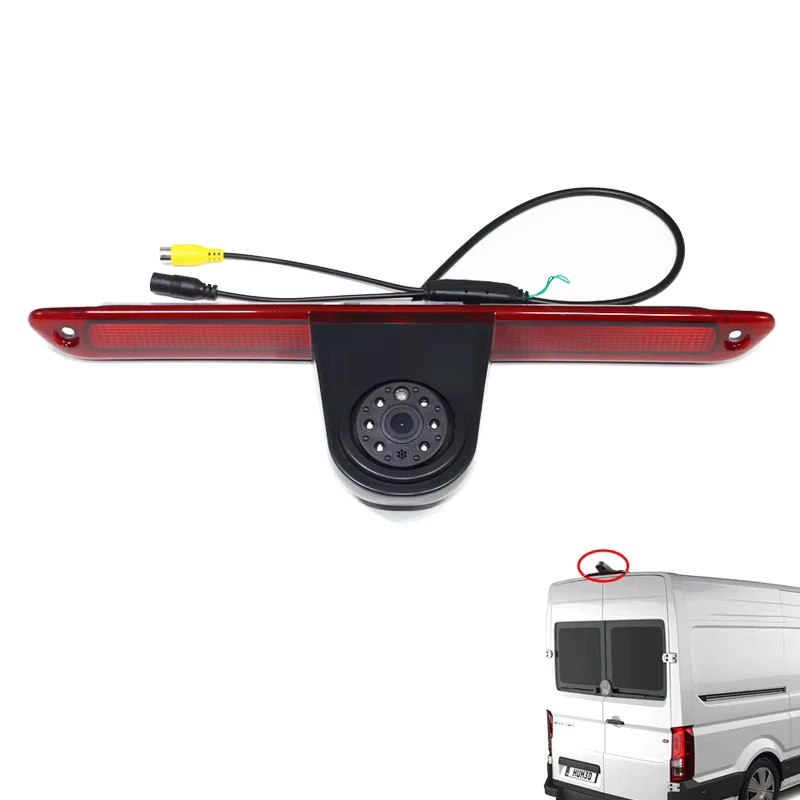
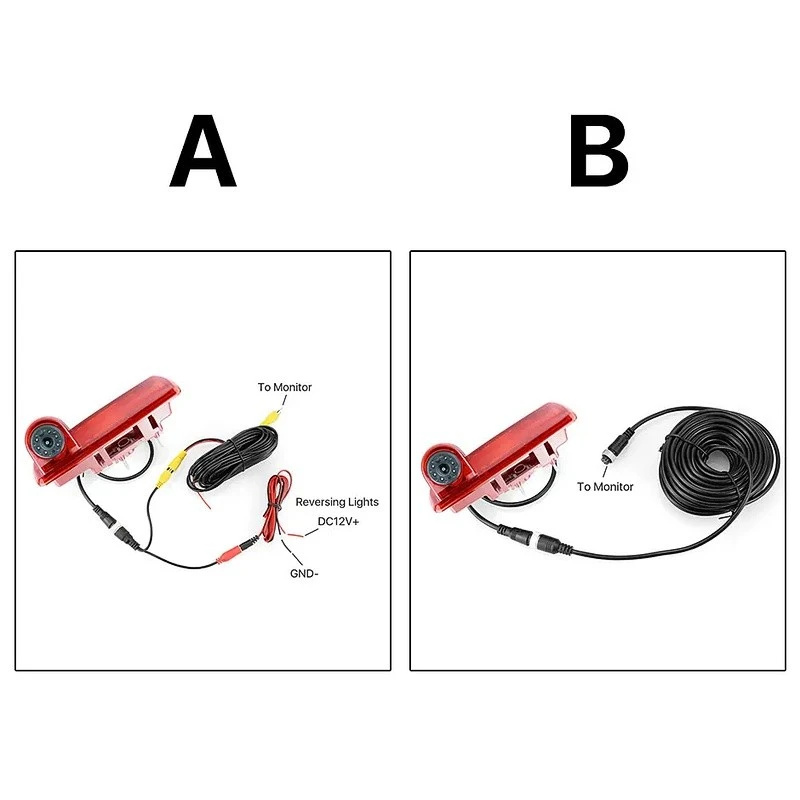
First off, let me give you a bit of background on these brake light series reversing cameras. They're designed mainly for cars, commercial vehicles, buses, MPVs, and vans. For example, we have the Renault Trafic III Opel Vivaro 2014 High - Mount Brake Light Camera, the Iveco Daily 2015 - 2017 High - Mount Stop Lamp Integrated Backup Camera, and the Mercedes Sprinter Vito High - Mount Brake Light Camera. These cameras are installed in the high - mount brake light area of these vehicles, providing a clear view of what's behind when reversing. They're built to withstand the vibrations, temperature changes, and occasional splashes that come with vehicle use.
Now, let's think about boats. Boats operate in a completely different environment compared to land vehicles. The first major difference is the presence of water. Boats are constantly exposed to water, whether it's from waves splashing over the hull or rain. This means that any equipment on a boat needs to be highly waterproof. Our brake light series reversing cameras are designed to be splash - resistant for vehicle use, but they might not be up to the task of continuous water exposure. Most of these cameras have an IP rating that's suitable for normal vehicle conditions, but boats require a much higher level of water protection. For instance, a camera used on a boat should ideally have an IP rating of at least IP67 or higher, which means it can be submerged in water up to a certain depth for a specific period without damage.
Another factor is the movement of the boat. Boats rock, roll, and pitch in the water, which is a very different kind of motion compared to the relatively stable movement of a land vehicle on a flat road. The vibrations on a boat are also more complex and intense. The mounting system of our brake light series reversing cameras is designed for the static and relatively predictable vibrations of land vehicles. On a boat, the camera might get loose or damaged due to the constant and irregular movement. The camera might not stay in the right position to provide a clear view, and the internal components could be shaken up over time, leading to malfunctions.
The lighting conditions on a boat are also unique. During the day, the sunlight reflecting off the water can create glare, which might make it difficult for the camera to capture a clear image. At night, the only light sources might be the boat's navigation lights and the moon. Our cameras are calibrated for the lighting conditions on land, where there are streetlights, headlights, and other artificial light sources. The different lighting on a boat could result in poor image quality, making it hard to rely on the camera for reversing safely.
However, that doesn't mean it's completely impossible to use a brake light series reversing camera on a boat. If you're willing to do some modifications and take extra precautions, it might work. You could waterproof the camera further by using additional sealants and protective casings. You could also come up with a more robust mounting system that can handle the boat's movement. For example, you could use shock - absorbing mounts to reduce the impact of vibrations.
But there are also some legal and safety considerations. In many places, there are regulations regarding the equipment that can be used on boats. Using a camera that's not specifically designed for marine use might not meet these safety standards. And when it comes to safety, you don't want to take any chances. A malfunctioning camera could lead to a collision or other accidents on the water.
So, to sum it up, while it might be possible to use a brake light series reversing camera on a boat with some modifications, it's not the ideal solution. These cameras are optimized for land vehicles, and the boat environment presents too many challenges. If you're in the market for a reversing camera for your boat, it's best to look for a camera that's specifically designed for marine use.
Now, if you're still interested in our brake light series reversing cameras for your land vehicles, we'd love to hear from you. Whether you're a car owner, a fleet manager, or a mechanic, we have a wide range of products to meet your needs. Our cameras are known for their high - quality images, easy installation, and reliability. If you have any questions or want to discuss your specific requirements, don't hesitate to reach out. We're here to help you find the perfect reversing camera solution for your vehicles.
References
- General knowledge about vehicle and marine equipment design and functionality.
- Industry standards for IP ratings and marine equipment regulations.


