


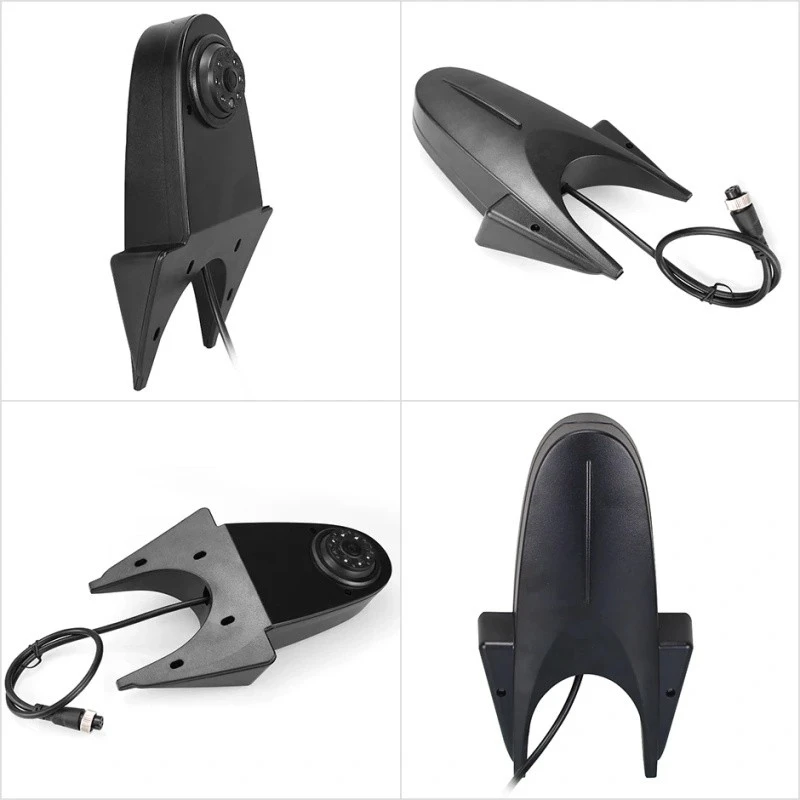
As a supplier of Universal Brake Light Camera For GM Vehicles, I've encountered numerous technical challenges in the field, with electromagnetic interference (EMI) being one of the most prominent. In this blog, I'll delve into how our universal brake light cameras handle EMI on GM vehicles, offering insights into the technology and engineering behind our products.
Understanding Electromagnetic Interference in GM Vehicles
GM vehicles, like many modern automobiles, are equipped with a plethora of electronic systems. These systems generate electromagnetic fields during operation, which can interfere with the normal functioning of other electronic devices, such as our brake light cameras. EMI can manifest in various forms, including static noise, image distortion, or even complete camera failure.
The sources of EMI in GM vehicles are diverse. The engine's ignition system, for example, produces high - voltage sparks that generate strong electromagnetic pulses. Additionally, the vehicle's electrical wiring, which carries power to different components, can act as an antenna, picking up and radiating electromagnetic signals. The increasing use of advanced driver - assistance systems (ADAS) and in - vehicle infotainment systems also contributes to the complex electromagnetic environment within the vehicle.
Design Features to Combat Electromagnetic Interference
Shielding
One of the primary ways our universal brake light cameras handle EMI is through the use of shielding. We design our camera enclosures with conductive materials that act as a Faraday cage. A Faraday cage is an enclosure made of a conductive material that blocks external electromagnetic fields. By surrounding the sensitive electronic components of the camera with this shielding, we can prevent EMI from reaching the internal circuitry.
The shielding material is carefully selected for its conductivity and durability. It is also designed to fit snugly around the camera components, ensuring that there are no gaps through which electromagnetic waves can penetrate. This shielding not only protects the camera from external EMI but also prevents the camera itself from radiating electromagnetic signals that could interfere with other vehicle systems.
Filtering Circuits
In addition to shielding, our cameras are equipped with filtering circuits. These circuits are designed to remove unwanted electromagnetic frequencies from the electrical signals within the camera. The filtering circuits use a combination of capacitors, inductors, and resistors to create a low - pass, high - pass, or band - pass filter, depending on the specific requirements of the camera.
For example, a low - pass filter allows low - frequency signals (which are typically the desired signals for normal camera operation) to pass through while blocking high - frequency electromagnetic noise. By carefully tuning these filtering circuits, we can optimize the camera's performance in the presence of EMI. The filtering circuits are integrated into the camera's printed circuit board (PCB), ensuring that they are in close proximity to the sensitive electronic components and can effectively filter out EMI.
Grounding
Proper grounding is another crucial aspect of EMI management in our universal brake light cameras. We ensure that the camera is properly grounded to the vehicle's chassis. Grounding provides a path for the electrical charges generated by EMI to flow safely to the ground, rather than interfering with the camera's operation.
The grounding connection is designed to have low resistance, which allows for efficient dissipation of electromagnetic energy. We use high - quality grounding wires and connectors to ensure a reliable electrical connection between the camera and the vehicle's chassis. Additionally, we follow strict grounding practices during the installation process to ensure that the grounding is effective in reducing EMI.
Testing and Certification
To ensure that our universal brake light cameras can effectively handle EMI on GM vehicles, we conduct rigorous testing. Our testing procedures are in line with international standards such as CISPR (International Special Committee on Radio Interference) and FCC (Federal Communications Commission) regulations.
We use anechoic chambers for testing. An anechoic chamber is a room designed to absorb all reflections of sound and electromagnetic waves, creating a controlled environment for testing. In the anechoic chamber, we expose the camera to a range of electromagnetic frequencies and intensities, simulating the real - world electromagnetic environment within a GM vehicle.
During the testing process, we monitor the camera's performance, looking for any signs of EMI - related issues such as image degradation or loss of signal. If any issues are detected, we make adjustments to the camera's design, such as improving the shielding or modifying the filtering circuits. Once the camera passes all the tests, it is certified to meet the required electromagnetic compatibility (EMC) standards.
Real - World Performance and Customer Feedback
Over the years, we have received positive feedback from our customers regarding the performance of our universal brake light cameras in handling EMI. Customers have reported that the cameras provide clear and stable images, even in vehicles with complex electromagnetic environments. This real - world performance is a testament to the effectiveness of our design features in combating EMI.
We also work closely with GM vehicle owners and installers to gather feedback and address any issues that may arise. This continuous improvement process allows us to refine our camera designs and ensure that they remain at the forefront of EMI management technology.
Related Products and Their Role in EMI Management
While our focus is on universal brake light cameras for GM vehicles, we also offer other related products that play a role in the overall electromagnetic environment of the vehicle. For example, the Volkswagen Flip Emblem Camera Drainage Connector is designed with similar EMI - handling features. It uses shielding and filtering techniques to ensure that the camera connected to it operates smoothly in the presence of EMI.
The Mercedes - Benz New E/S/C/G/CLS Reverse Camera Decoder Module (2019 Model Compatibility) also incorporates EMI - management strategies. The decoder module is responsible for processing the camera signals and integrating them with the vehicle's display system. By handling EMI effectively, it ensures that the reverse camera system provides accurate and reliable information to the driver.
Similarly, the Brake Light Backup Camera Mercedes Sprinter 2006 - 2018 is designed to operate in a high - EMI environment. It shares many of the same design features as our GM vehicle brake light cameras, such as shielding and filtering, to ensure optimal performance.
Conclusion
In conclusion, electromagnetic interference is a significant challenge in the design and operation of universal brake light cameras for GM vehicles. However, through the use of shielding, filtering circuits, and proper grounding, our cameras are able to effectively handle EMI and provide reliable performance. Rigorous testing and certification ensure that our products meet the highest standards of electromagnetic compatibility.
If you are a GM vehicle owner or installer looking for a high - quality universal brake light camera that can withstand the challenges of electromagnetic interference, we invite you to contact us for more information. Our team of experts is ready to assist you in finding the right product for your needs and answering any questions you may have about our technology and products.

References
- CISPR Standards on Electromagnetic Compatibility
- FCC Regulations on Radio Frequency Interference
- Research papers on automotive electromagnetic interference and its mitigation techniques


