


Hey there! As a supplier of the Volkswagen T6 High - Mount Brake Light Camera, I often get asked about how our camera handles image distortion. It's a crucial aspect, especially when it comes to a camera that's supposed to provide clear and accurate visuals for safe driving.
First off, let's understand what image distortion is. In simple terms, it's when the image captured by the camera doesn't represent the real - world scene accurately. There are different types of distortion, like barrel distortion and pincushion distortion. Barrel distortion makes straight lines look curved outwards, kind of like the shape of a barrel. On the other hand, pincushion distortion makes straight lines curve inwards, similar to a pincushion.
Our Volkswagen T6 High - Mount Brake Light Camera is designed to tackle these issues head - on. One of the key features that helps in reducing distortion is the high - quality lens. We use a special type of lens that has been engineered to minimize optical aberrations. These aberrations are what cause the image to look distorted in the first place. The lens is made from high - grade materials that have excellent light - transmitting properties. This means that the light rays entering the camera are bent and focused in a way that results in a more accurate representation of the scene.
Another important factor is the camera's image processing algorithm. Once the light hits the image sensor, the raw data is sent to the camera's internal processor. Here, the algorithm goes to work. It analyzes the image for any signs of distortion and then applies corrective measures. For example, if it detects barrel distortion, it will stretch the image in the right places to make the lines look straight again.
The placement of the camera also plays a role in reducing distortion. The high - mount position of the brake light camera gives it a unique vantage point. It's placed in such a way that it can capture a wide field of view without having to use an overly wide - angle lens. Wide - angle lenses are more prone to distortion because they have to bend light at extreme angles to capture a large area. By using a more moderate field of view from a high position, we can keep the distortion to a minimum.
Now, let's talk about some real - world benefits of our camera's ability to handle distortion. When you're reversing your Volkswagen T6, a distorted image can be really confusing. You might misjudge the distance between your vehicle and other objects, which could lead to a collision. With our camera, you get a clear and undistorted view of what's behind you. This makes it easier to park safely, avoid obstacles, and navigate tight spaces.
If you're interested in other high - mount brake light cameras, we also offer a Multi - Brand High - Mount Brake Light Camera for Citroën/Peugeot/Toyota. This camera is designed to fit multiple vehicle brands, giving you more options if you own a different type of car. And for GM vehicle owners, we have the Universal Brake Light Camera for GM Vehicles. It's a great choice for those who want a reliable camera that can handle distortion well.
We also have the Volkswagen Crafter High - Mount Brake Light Camera. This camera is specifically tailored to the Volkswagen Crafter, ensuring a perfect fit and optimal performance.
In conclusion, our Volkswagen T6 High - Mount Brake Light Camera is a top - notch product when it comes to handling image distortion. Whether you're a daily driver or a professional who uses their vehicle for work, having a clear and accurate view of what's behind you is essential.
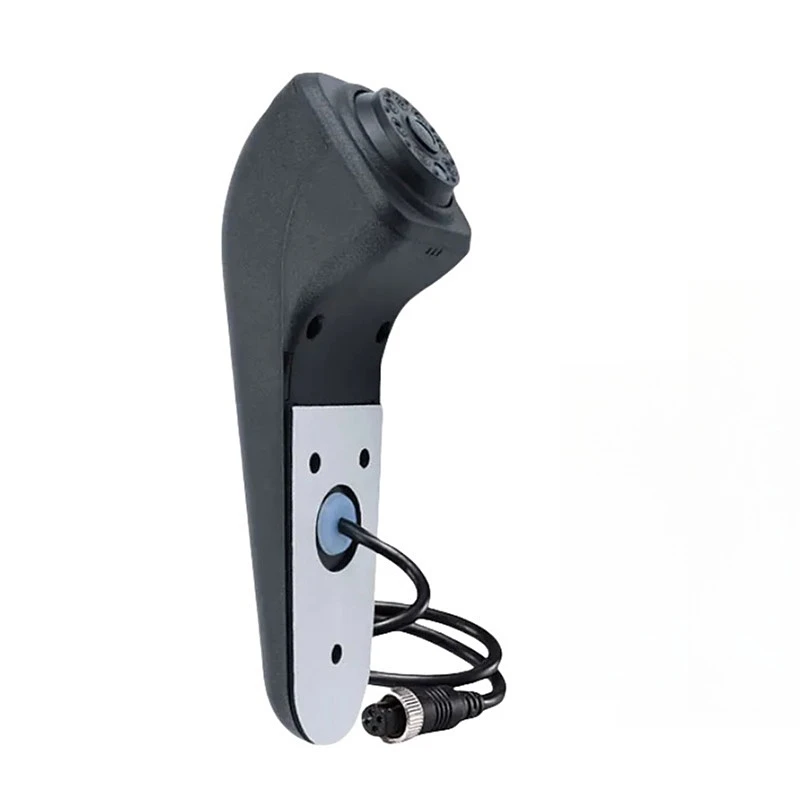
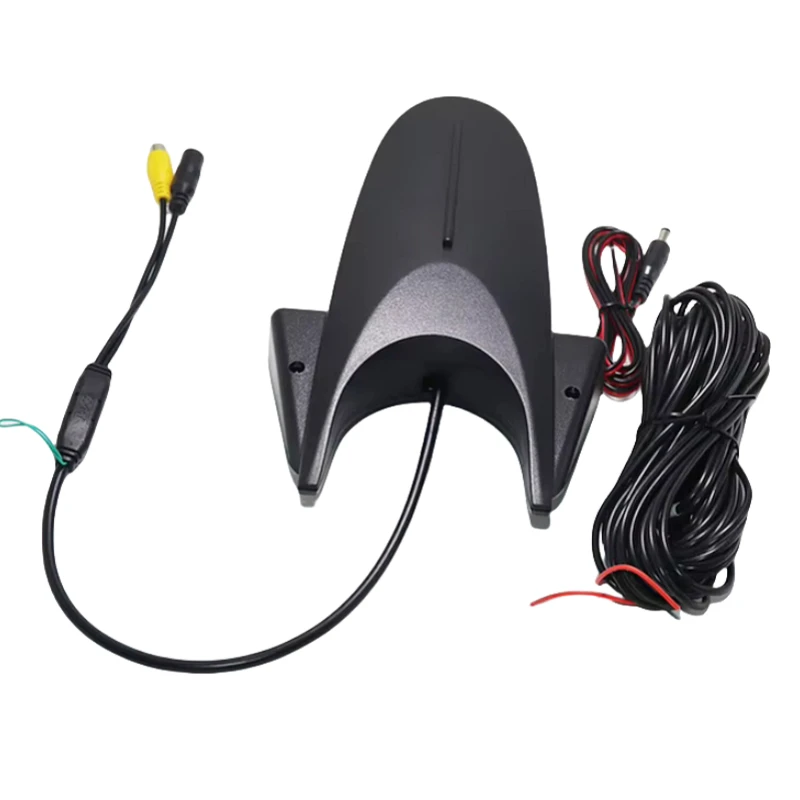
If you're interested in purchasing our cameras or want to learn more about our products, don't hesitate to reach out. We're always happy to answer any questions you might have and discuss your specific needs. We can provide you with detailed information about the features, installation process, and pricing. So, if you're in the market for a high - quality brake light camera that can handle distortion like a pro, get in touch with us today!
References
- Camera Lens Technology Handbook
- Automotive Imaging Systems Research Papers


