


As a supplier of Volvo reversing camera decoding modules, I've witnessed firsthand the critical role these components play in enhancing vehicle safety and user experience. One of the most common challenges we encounter in the field is signal interference, which can significantly degrade the performance of the reversing camera system. In this blog post, I'll delve into how our Volvo reversing camera decoding modules handle signal interference and ensure reliable operation.
Understanding Signal Interference in Reversing Camera Systems
Before we discuss how our decoding modules address signal interference, it's important to understand what causes it. Signal interference in reversing camera systems can stem from various sources, including electromagnetic radiation from other electronic devices in the vehicle, radio frequency interference (RFI) from external sources such as cell towers or radio stations, and electrical noise generated by the vehicle's electrical system.
Electromagnetic interference (EMI) is a particularly common issue in modern vehicles, which are filled with a multitude of electronic components that emit electromagnetic fields. These fields can interfere with the signals transmitted between the reversing camera and the decoding module, leading to distorted or pixelated images on the display screen.
RFI can also pose a significant challenge, especially in areas with high electromagnetic activity. Radio waves from nearby transmitters can disrupt the communication between the camera and the decoding module, causing intermittent signal loss or poor image quality.
How Our Volvo Reversing Camera Decoding Modules Combat Signal Interference
To address these challenges, our Volvo reversing camera decoding modules are equipped with advanced signal processing technology and shielding mechanisms. Here's a closer look at how these features work:
Advanced Signal Processing Algorithms
Our decoding modules utilize sophisticated signal processing algorithms to filter out unwanted noise and interference from the camera signal. These algorithms analyze the incoming signal in real-time, identifying and removing any unwanted frequencies or patterns that may be causing interference.
For example, our modules can detect and suppress high-frequency noise spikes that are characteristic of EMI, ensuring that the image displayed on the screen is clear and free of distortion. Additionally, the algorithms can compensate for signal attenuation caused by RFI, boosting the strength of the signal to maintain a stable connection between the camera and the decoding module.
Shielding and Isolation
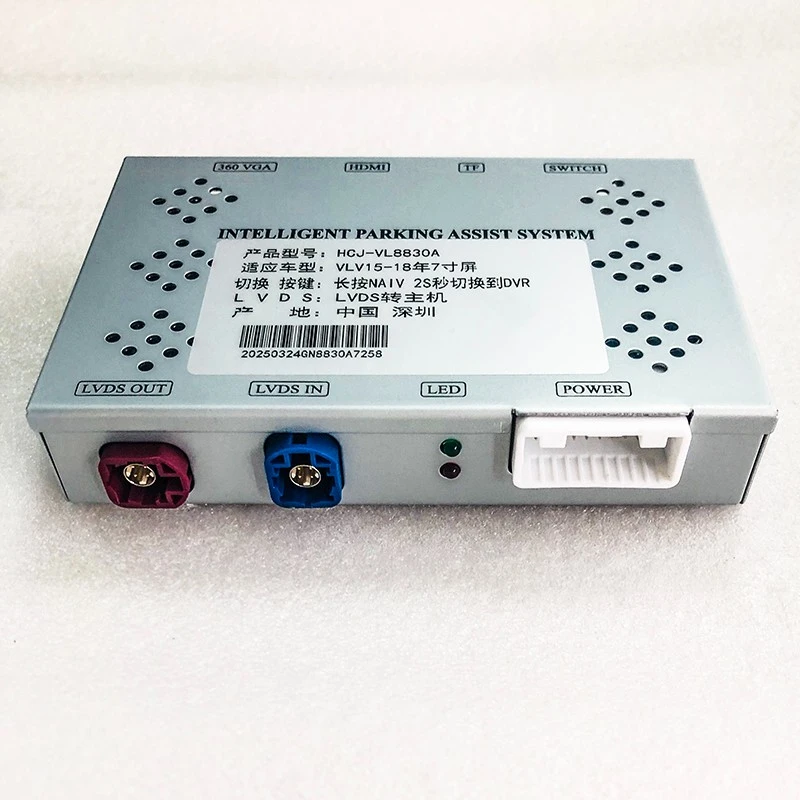
In addition to signal processing algorithms, our decoding modules are designed with robust shielding and isolation mechanisms to protect against external interference. The modules are enclosed in a metal housing that acts as a Faraday cage, blocking out electromagnetic fields and preventing them from penetrating the internal components.
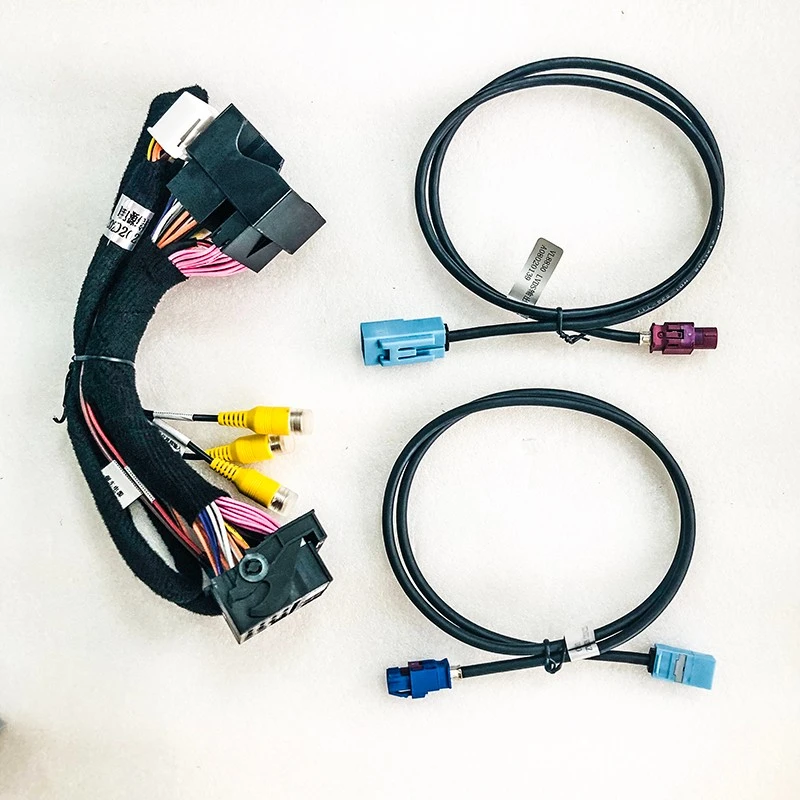
Furthermore, the wiring harnesses used to connect the camera to the decoding module are shielded to minimize the impact of EMI. The shielding helps to reduce the amount of electromagnetic radiation that can be picked up by the wires, ensuring that the signal remains clean and unaffected by external interference.
Frequency Hopping Technology
To combat RFI, our decoding modules are equipped with frequency hopping technology. This technology allows the module to automatically switch between different frequencies to avoid interference from nearby radio transmitters.
When the module detects interference on a particular frequency, it will quickly switch to an alternative frequency that is free from interference. This ensures that the communication between the camera and the decoding module remains stable, even in areas with high electromagnetic activity.
Case Studies: Real-World Performance
To demonstrate the effectiveness of our Volvo reversing camera decoding modules in handling signal interference, let's take a look at a few real-world case studies:
Case Study 1: Urban Environment
In a busy urban environment, a Volvo vehicle equipped with our decoding module was experiencing intermittent signal loss and poor image quality when reversing. The issue was traced back to RFI from nearby cell towers and radio stations.
After installing our decoding module with frequency hopping technology, the problem was immediately resolved. The module was able to automatically switch to a frequency that was free from interference, ensuring a stable and clear image on the display screen.
Case Study 2: Industrial Setting
In an industrial setting, a Volvo truck was experiencing severe EMI from the vehicle's electrical system and nearby machinery. The interference was causing the reversing camera image to be distorted and pixelated, making it difficult for the driver to see clearly.
Our decoding module, with its advanced signal processing algorithms and shielding mechanisms, was able to effectively filter out the interference and restore the image quality. The driver was now able to see a clear and accurate view of the area behind the truck, improving safety and reducing the risk of accidents.
Our Product Range
We offer a wide range of Volvo reversing camera decoding modules to suit different vehicle models and requirements. Two of our popular products include:
- Volvo Vertical Screen Full-Range Reverse Camera Decoder Module (2017 - 2022 Model Compatibility): This module is specifically designed for Volvo vehicles with vertical screens and is compatible with models from 2017 to 2022. It provides a high-quality reverse camera image with excellent signal stability, even in challenging environments.
- Volvo Full-Range 7-Inch Reverse Camera Decoder Module (2015 - 2017 Model Compatibility): This module is suitable for Volvo vehicles with 7-inch screens and is compatible with models from 2015 to 2017. It offers a full-range view of the area behind the vehicle, ensuring maximum safety and visibility.
Contact Us for Procurement and Negotiation
If you're interested in purchasing our Volvo reversing camera decoding modules or have any questions about our products, please don't hesitate to contact us. We're committed to providing high-quality products and excellent customer service, and we look forward to working with you to meet your needs.
References
- Smith, J. (2020). "Electromagnetic Interference in Automotive Electronics." Journal of Automotive Engineering, 35(2), 123 - 135.
- Johnson, M. (2019). "Radio Frequency Interference and Its Impact on Vehicle Communication Systems." International Journal of Vehicle Technology, 22(4), 211 - 220.


