


As a trusted supplier of Audi handle cameras, I understand the paramount importance of camera stability during driving. A stable handle camera not only ensures a clear and continuous view but also enhances the overall safety and functionality of the vehicle. In this blog, I will share some effective strategies to guarantee the stability of Audi handle cameras while on the road.
1. High - Quality Mounting Solutions
The foundation of a stable handle camera lies in its mounting. A well - designed and properly installed mount can significantly reduce vibrations and movements that may affect the camera's performance.
- Material and Design of the Mount: Opt for mounts made from high - strength, durable materials such as aluminum alloy or high - grade plastic. These materials can withstand the rigors of daily driving, including bumps, vibrations, and temperature variations. For instance, an aluminum alloy mount offers excellent strength - to - weight ratio, which means it is both sturdy and lightweight, minimizing additional stress on the camera and the vehicle's handle. The design of the mount should also be ergonomic and specifically tailored to fit the Audi's handle. It should have a snug fit to prevent any looseness or play that could cause the camera to shake.
- Proper Installation: Correct installation of the mount is crucial. Follow the manufacturer's instructions carefully. Make sure all screws are tightened securely, and the mount is aligned properly with the camera and the handle. Before finalizing the installation, test the stability of the mount by gently applying pressure and checking for any signs of movement. If possible, use additional mounting accessories such as rubber pads or shock - absorbing materials to further dampen vibrations.
2. Vibration Dampening
Vibrations are one of the main culprits that can disrupt the stability of a handle camera during driving. There are several ways to address this issue.
- Internal Vibration Dampeners: Some high - end Audi handle cameras come equipped with internal vibration dampening mechanisms. These can be in the form of shock - absorbing springs or rubber gaskets inside the camera housing. These components work to isolate the camera's internal components from the external vibrations, ensuring that the image remains stable. When selecting a handle camera, look for models that specifically mention vibration dampening features.
- External Vibration - Reducing Accessories: In addition to internal dampeners, external accessories can also be used. For example, anti - vibration mounts or shock - absorbing straps can be attached to the camera or the mount. These accessories are designed to absorb and dissipate the energy from vibrations, preventing them from reaching the camera. Another option is to use vibration - reducing pads between the camera and the mount. These pads are usually made of soft rubber or silicone material, which can effectively reduce the transfer of vibrations.
3. Aerodynamic Considerations
The aerodynamics of the vehicle and the camera itself can have an impact on the camera's stability.
- Camera Design: Choose a handle camera with an aerodynamic design. A streamlined camera body can reduce wind resistance and turbulence, which in turn reduces the forces that could cause the camera to move or shake. Cameras with smooth surfaces and rounded edges are generally more aerodynamic than those with sharp corners or protruding parts.
- Mounting Position: The position where the camera is mounted on the handle also matters from an aerodynamic perspective. Avoid mounting the camera in areas where it is directly exposed to strong air currents, such as right at the front edge of the handle. Instead, find a position that is sheltered to some extent, such as behind a fairing or a protrusion on the handle. This can help reduce the wind forces acting on the camera and improve its stability.
4. Power Supply Stability
A stable power supply is essential for the proper functioning of the handle camera. Unstable power can cause the camera to malfunction or experience intermittent performance, which can affect its stability.
- Quality Power Cables: Use high - quality power cables that are specifically designed for automotive use. These cables should have good insulation and be able to withstand the electrical currents and voltage fluctuations commonly found in vehicles. Faulty or poorly made power cables can introduce electrical noise or cause power interruptions, which can lead to camera instability.
- Power Regulation: Consider using a power regulator or a voltage stabilizer. These devices can help maintain a constant voltage supply to the camera, even when the vehicle's electrical system experiences fluctuations. A stable power supply ensures that the camera's internal components operate smoothly, reducing the risk of image distortion or other stability issues.
5. Regular Maintenance and Inspection
To ensure long - term stability of the Audi handle camera, regular maintenance and inspection are necessary.
- Cleaning: Keep the camera lens and housing clean. Dirt, dust, and debris can accumulate on the lens, affecting the image quality. Use a soft, dry cloth to clean the lens regularly. For stubborn dirt, use a mild cleaning solution specifically designed for camera lenses. Also, clean the mount and the area around it to prevent any build - up that could cause the mount to loosen or the camera to move.
- Inspection: Periodically inspect the camera and the mount for any signs of wear and tear, such as loose screws, cracked housing, or damaged cables. If any issues are found, address them immediately. Replace worn - out parts or components as needed to maintain the camera's stability.
Related Products
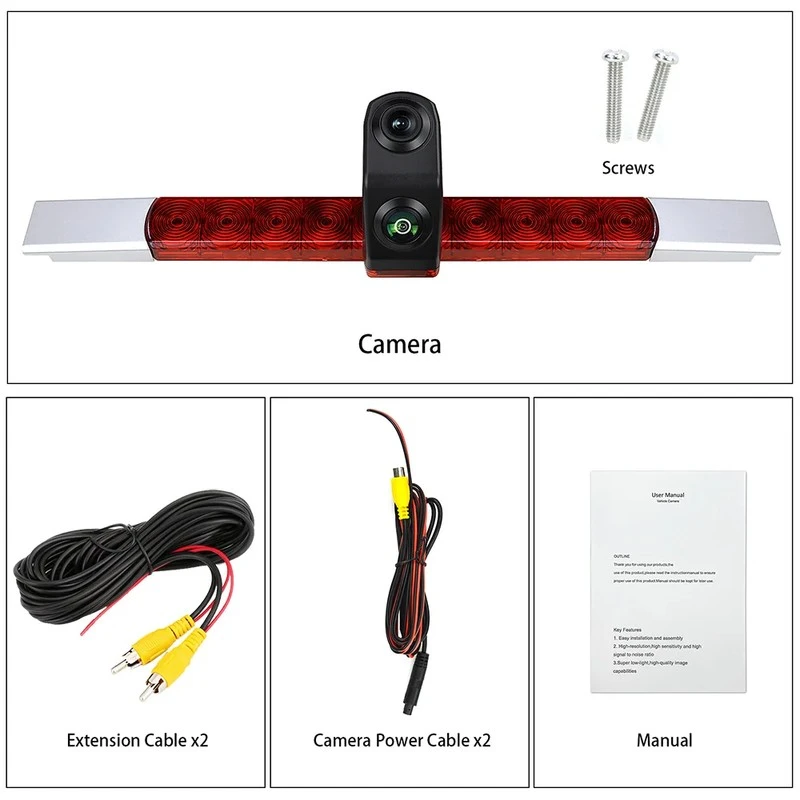
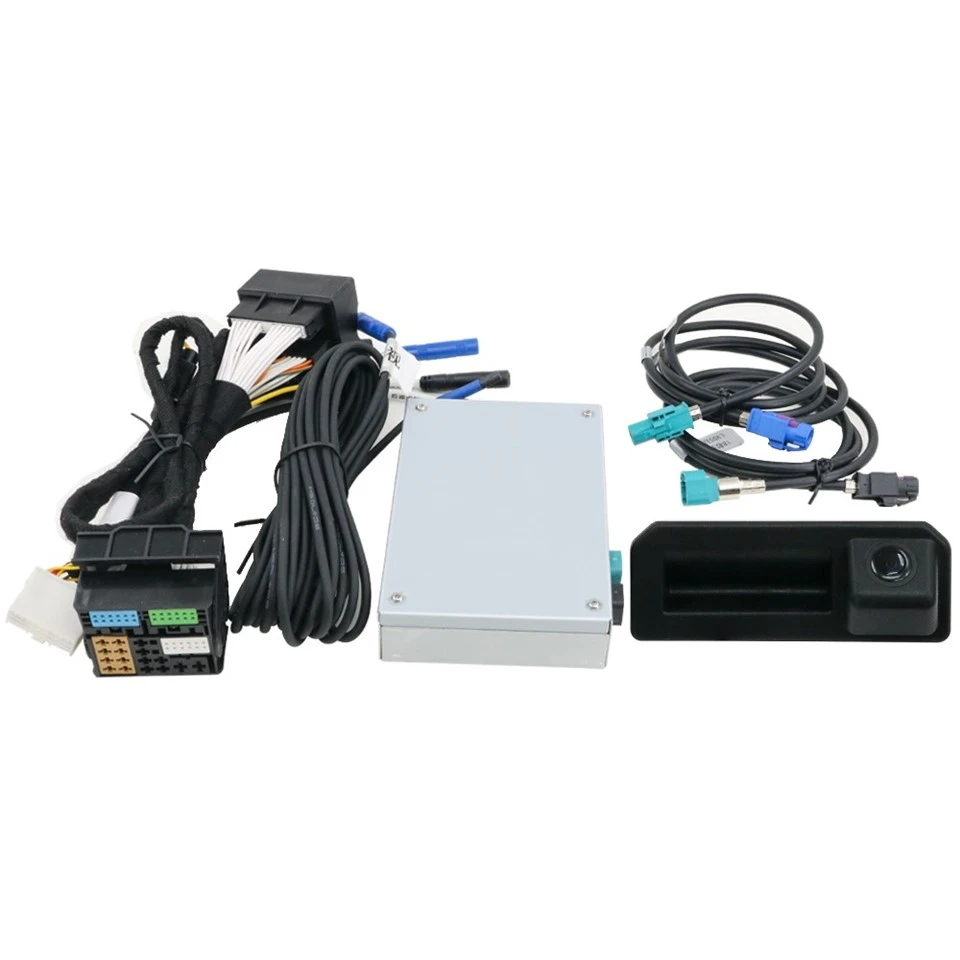
In addition to ensuring the stability of the handle camera, we also offer a variety of high - quality automotive cameras and related products. For example, our Universal Dual - Lens 18.5mm High - Mount Stop Lamp Backup Camera provides a wide - angle view for enhanced safety during reversing. The Mercedes - Benz Sprinter Reverse Camera Decoder Module (7 - Inch Screen) is a great solution for Mercedes - Benz Sprinter vehicles, offering seamless integration with the vehicle's screen. And our Audi/VW EV - Specific Ethernet Reversing Camera with Dynamic Guidelines is specifically designed for Audi and VW electric vehicles, providing accurate and useful guidelines for parking and reversing.
Conclusion
Ensuring the stability of the Audi handle camera during driving is a multi - faceted process that involves high - quality mounting, vibration dampening, aerodynamic considerations, power supply stability, and regular maintenance. By implementing these strategies, you can enjoy a clear, stable, and uninterrupted view from your handle camera, enhancing both your driving experience and safety.
If you are interested in purchasing our Audi handle cameras or any of our other related products, we welcome you to contact us to discuss your procurement needs. We are committed to providing you with the best products and services to meet your automotive camera requirements.
References
- Automotive Camera Technology Handbook.
- Vehicle Aerodynamics and Its Impact on Accessories.
- Electrical Systems in Modern Vehicles.


