


As a supplier of Peugeot Citroen reversing camera decoding modules, I've had in - depth experience with these products. While these modules offer significant benefits in enhancing the safety and convenience of reversing maneuvers, they are not without limitations. In this blog, I'll explore some of the key limitations associated with Peugeot Citroen reversing camera decoding modules.
1. Compatibility Issues
One of the most prominent limitations is compatibility. The automotive industry is constantly evolving, with new models of Peugeot and Citroen vehicles being released regularly. Each new model may come with different electrical systems, communication protocols, and camera interfaces. As a result, a decoding module that works perfectly with an older Peugeot or Citroen model may not be compatible with a newer one.
For instance, the internal wiring and the way the vehicle's on - board computer communicates with the reversing camera can change from one generation to the next. This means that as a supplier, we often have to invest significant time and resources in research and development to ensure that our decoding modules are compatible with the latest vehicle models. Even then, there can be unforeseen compatibility glitches, such as intermittent signal loss or incorrect display of the camera feed on the in - car screen.
2. Limited Image Quality
The image quality provided by the reversing camera, which is decoded by the module, can be a limitation. The decoding module is designed to process the signals from the camera and present a clear image on the vehicle's display. However, the quality of the final image depends largely on the quality of the camera itself.
Many Peugeot and Citroen vehicles come with standard - grade reversing cameras that may not offer high - resolution images. In low - light conditions, such as at night or in a poorly lit parking garage, the image can become grainy, blurry, or difficult to distinguish. The decoding module can only do so much to enhance the image; it cannot magically transform a low - quality camera feed into a high - definition one.
This limited image quality can be a safety concern, as it may make it difficult for the driver to accurately identify obstacles, pedestrians, or other vehicles behind the car. For example, small objects or children may be harder to spot, increasing the risk of an accident during reversing.
3. Vulnerability to Electrical Interference
Peugeot Citroen reversing camera decoding modules are electronic devices that operate in a complex electrical environment within the vehicle. They are susceptible to electrical interference from other components in the car, such as the engine's ignition system, the radio, or other electronic control units.
Electrical interference can cause a variety of problems, including signal distortion, flickering images on the display, or even complete loss of the camera feed. This interference can be intermittent, making it difficult to diagnose and fix. For example, when the engine is running at high RPMs, the ignition system may generate electromagnetic interference that disrupts the decoding module's operation.
As a supplier, we take steps to design our decoding modules with proper shielding and filtering to minimize the impact of electrical interference. However, it is almost impossible to completely eliminate this problem, especially in older vehicles where the electrical systems may be more prone to generating interference.
4. Software Limitations
The software embedded in the Peugeot Citroen reversing camera decoding modules also has its limitations. The software is responsible for decoding the camera signals, adjusting the image settings, and communicating with the vehicle's on - board computer.
Over time, as new features and improvements are introduced in the automotive industry, the software in the decoding module may become outdated. For example, new algorithms for image enhancement or more advanced communication protocols may be developed, but the existing software in the module may not support them.
Updating the software can be a challenge. Unlike consumer electronics, where software updates can often be easily downloaded and installed over the internet, vehicle - based decoding modules may require specialized equipment and procedures to update the software. This can be time - consuming and costly for both the supplier and the end - user.
5. Lack of Customization
In some cases, the Peugeot Citroen reversing camera decoding modules offer limited customization options. The settings and functions of the module are often pre - configured to work with a specific set of vehicle models and camera types. This means that drivers may not be able to adjust the module according to their specific preferences.
For example, some drivers may prefer a wider field of view or a different color calibration for the camera image. However, the decoding module may not allow for such adjustments. This lack of customization can be frustrating for users who want to optimize the performance of their reversing camera system.
Comparison with Other Products
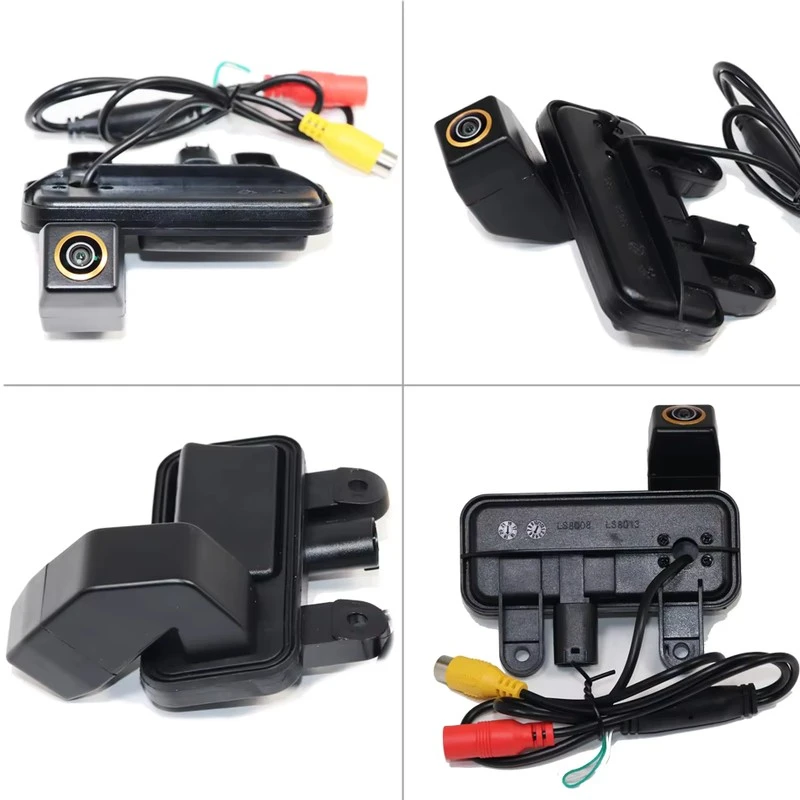
To put these limitations into perspective, let's compare the Peugeot Citroen reversing camera decoding modules with some other products in the market. For example, the Mercedes - Benz B180/B200 Dedicated CVBS Reverse Camera is designed specifically for Mercedes - Benz vehicles. These cameras may have different image quality, compatibility requirements, and decoding capabilities compared to Peugeot and Citroen products.
Similarly, the Ford F - 150 Raptor Dedicated Reverse Camera (2015 - 2017 Models) is tailored to the unique features of the Ford F - 150 Raptor. The decoding modules for these cameras may be more optimized for the electrical systems and camera interfaces of Ford vehicles, potentially offering better performance in some aspects.
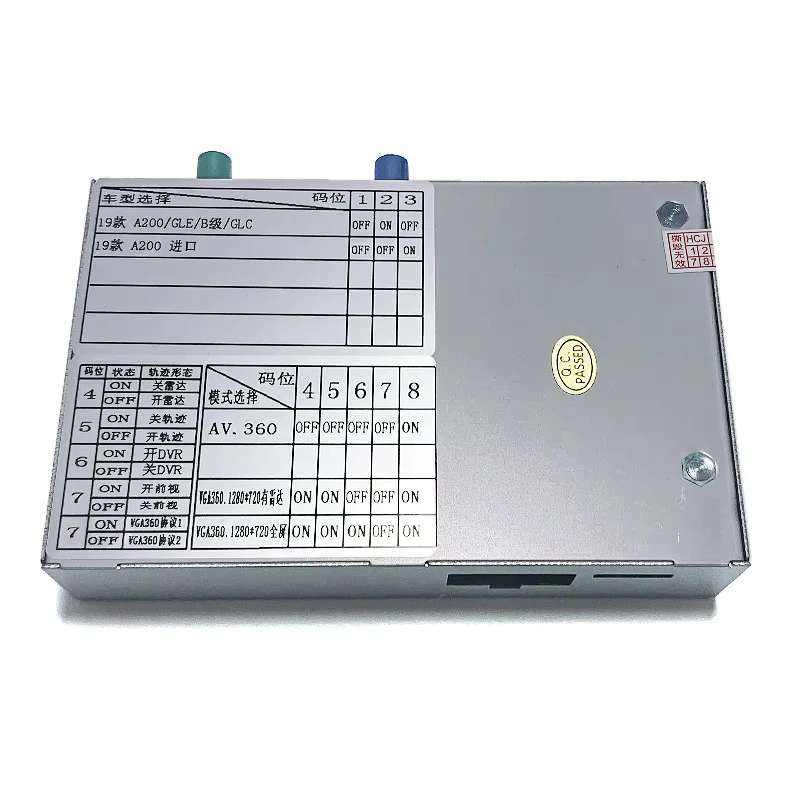
Another example is the Mercedes - Benz New A/GLE/GLS/GLC - L/B/GLB/E - Class Reverse Camera Decoder Module (2019 - 2021 Model Compatibility). This decoder module is designed to work with a range of Mercedes - Benz models from 2019 - 2021. It may have more advanced software and better compatibility with the latest Mercedes - Benz electrical systems compared to Peugeot Citroen decoding modules.
Conclusion
Despite these limitations, Peugeot Citroen reversing camera decoding modules still play an important role in enhancing the safety and convenience of reversing. They provide drivers with a view of the area behind the vehicle, which can help prevent accidents and make parking easier.
As a supplier, we are constantly working to overcome these limitations. We invest in research and development to improve compatibility, enhance image quality, reduce the impact of electrical interference, update software, and offer more customization options.
If you are interested in our Peugeot Citroen reversing camera decoding modules or have any questions about how we are addressing these limitations, we encourage you to contact us for a detailed discussion. We are eager to work with you to find the best solutions for your reversing camera needs.
References
- Automotive Electrical Systems Handbook
- Journal of Automotive Electronics and Technology
- Peugeot and Citroen Technical Manuals


