


As a supplier of Volvo reversing camera decoding modules, I often receive inquiries about the noise level of the images produced by these modules. In this blog post, I'll delve into what image noise is, how it affects the performance of Volvo reversing camera decoding modules, and what steps we take to minimize it.
Understanding Image Noise
Image noise refers to random variations in the brightness or color information in an image. It can manifest in different forms, such as grainy spots, streaks, or a general lack of clarity. In the context of a Volvo reversing camera decoding module, image noise can significantly impact the visibility of the rearview image, making it difficult for drivers to accurately assess the surroundings when reversing.
There are several factors that can contribute to image noise in a reversing camera system. One of the primary causes is the sensor in the camera itself. All image sensors generate a certain amount of noise as they convert light into electrical signals. This noise can be influenced by factors such as the sensor's size, the quality of its manufacturing, and the amount of light available in the environment.
Another factor that can introduce noise is the signal processing within the decoding module. As the module processes the raw data from the camera, it can sometimes amplify or introduce additional noise. This can be due to issues with the module's circuitry, the algorithms used for image processing, or interference from other electronic components in the vehicle.
Impact of Image Noise on Volvo Reversing Camera Decoding Modules
The presence of image noise in a Volvo reversing camera decoding module can have several negative consequences. Firstly, it can reduce the overall clarity and sharpness of the rearview image. This can make it difficult for drivers to distinguish between objects, especially in low - light conditions or when the objects are small or far away.
Secondly, image noise can cause false alarms or misinterpretations of the image. For example, a noisy image might make it seem like there is an object in the path of the vehicle when there isn't, or it could mask the presence of a real object. This can lead to unnecessary braking or maneuvers, which can be both inconvenient and potentially dangerous.
Finally, high levels of image noise can also affect the reliability of the reversing camera system. If the noise is severe enough, it can cause the system to malfunction or produce inaccurate readings, which can compromise the safety of the vehicle and its occupants.
Our Approach to Minimizing Image Noise
As a supplier of Volvo reversing camera decoding modules, we are committed to providing high - quality products with minimal image noise. To achieve this, we employ several strategies at different stages of the product development process.
Camera Sensor Selection
We carefully select the camera sensors used in our decoding modules. We look for sensors that have a large pixel size, as larger pixels are generally more sensitive to light and produce less noise. We also choose sensors from reputable manufacturers known for their high - quality production processes, which helps to ensure consistent performance and low noise levels.
Advanced Signal Processing Algorithms
Our decoding modules are equipped with advanced signal processing algorithms that are designed to reduce noise while preserving the details of the image. These algorithms use techniques such as noise filtering, image enhancement, and adaptive gain control to optimize the image quality in different lighting conditions.
For example, our noise filtering algorithms can identify and remove the random noise patterns in the image without affecting the important features. The adaptive gain control adjusts the amplification of the signal based on the available light, reducing the risk of amplifying the noise along with the signal.
Quality Control and Testing
We have a rigorous quality control process in place to ensure that each Volvo reversing camera decoding module meets our high standards for image quality. Before a module is shipped, it undergoes extensive testing in a variety of simulated environments, including different lighting conditions and levels of interference.
During these tests, we measure the level of image noise using specialized equipment and software. If a module fails to meet our noise level requirements, it is either re - worked or discarded. This helps to ensure that only the highest - quality modules reach our customers.
Product Recommendations
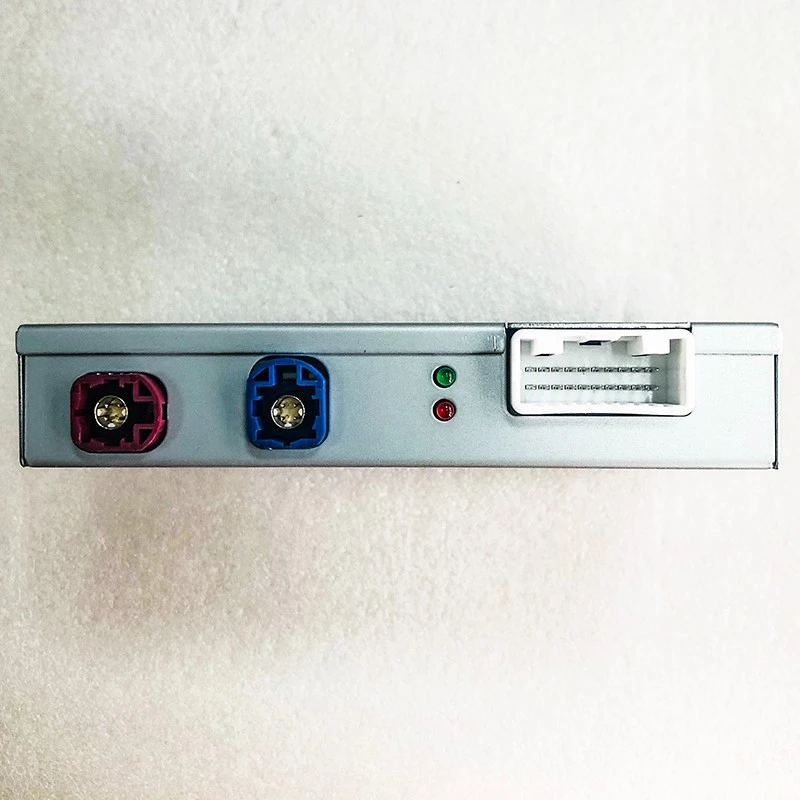
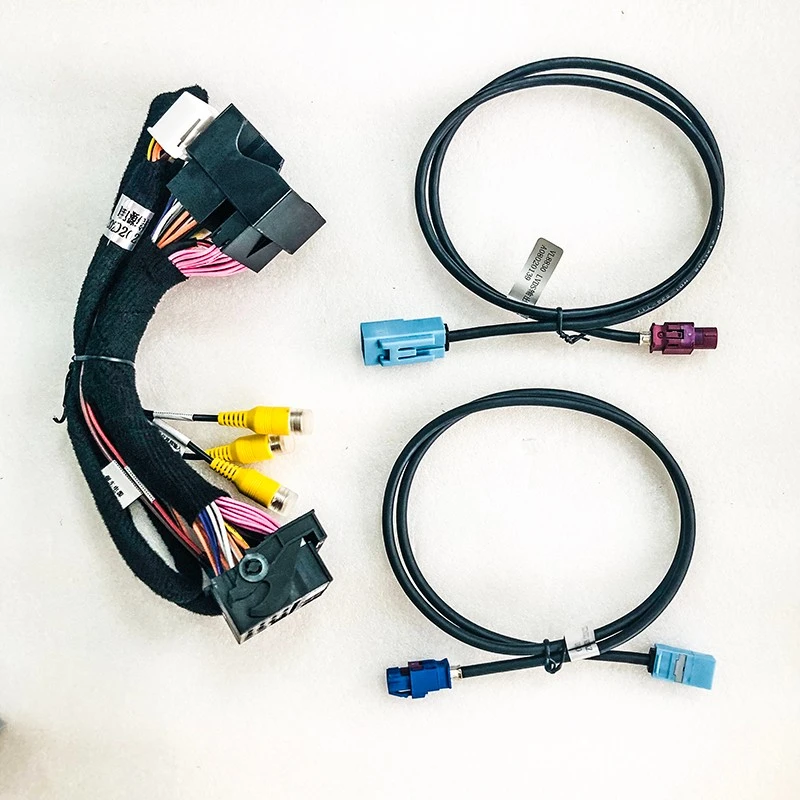
We offer two popular Volvo reversing camera decoding modules that are designed to provide clear and noise - free rearview images. The Volvo Full - Range 7 - Inch Reverse Camera Decoder Module (2015 - 2017 Model Compatibility) is specifically designed for Volvo models from 2015 to 2017. It features a high - quality camera sensor and advanced signal processing algorithms to minimize image noise and provide a clear view of the rear.
For more recent Volvo models from 2017 to 2022, we recommend the Volvo Vertical Screen Full - Range Reverse Camera Decoder Module (2017 - 2022 Model Compatibility). This module is optimized for the vertical screen displays in these models and offers excellent image quality with low noise levels, even in challenging lighting conditions.
Contact Us for Purchase and Consultation
If you are interested in purchasing a Volvo reversing camera decoding module or have any questions about our products, we encourage you to get in touch. Our team of experts is available to provide you with detailed information about our products, including their noise levels, compatibility, and performance. We can also assist you in selecting the right module for your specific Volvo model.
We understand that the safety and reliability of your vehicle's reversing camera system is of utmost importance. That's why we are dedicated to providing you with high - quality products that offer clear, noise - free images. Whether you are a car dealership, a repair shop, or an individual vehicle owner, we are here to meet your needs.
References
- "Digital Image Processing" by Rafael C. Gonzalez and Richard E. Woods
- "Image Sensor Technology" by Eric R. Fossum
- Technical documentation from Volvo on vehicle electronics and camera systems


