

Reversing operations in RVs, fifth-wheel trailers, travel trailers, or truck campers can often be a nerve-wracking experience. Limited visibility creates significant blind spots, turning simple maneuvers into potential threats to people, pets, and property. A reliable reversing camera system is no longer a luxury but a critical safety feature. However, with multiple options available, selecting the right reversing camera for your specific vehicle type is crucial. Here are the core factors to prioritize:
◆◆ Resolution is Paramount: Always avoid blurry, low-quality images. For large vehicles like campers or pickup trucks towing trailers, high-definition clarity is essential to accurately identify small obstacles and judge distances.
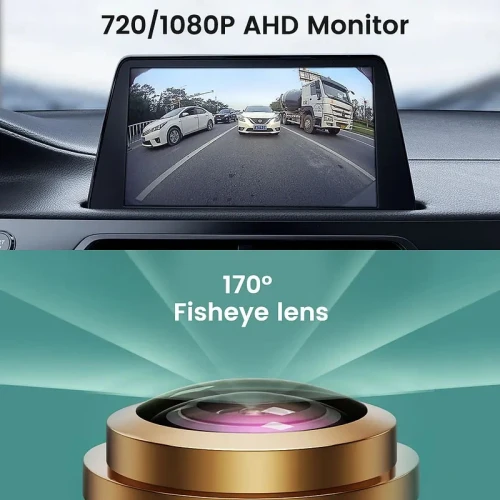
Opt for 1080p Full HD resolution or higher. While 720p products exist, investing in 1080p clarity for safety is absolutely worth it.
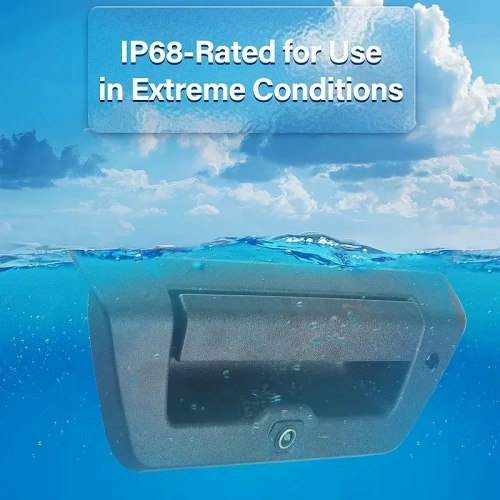
◆◆ Robust Waterproof Performance (IP68+): Cameras are constantly exposed to rain, road grime, snow, and UV rays. Ensure they have an IP68 (or higher) waterproof rating. This certification effectively prevents dust ingress and withstands prolonged submersion, easily handling car washes and heavy rain.
◆◆ Excellent Night Vision Functionality: Reversing in poorly lit campsites or driving at night is common. Choose products equipped with high-quality infrared (IR) LEDs. Pay attention to parameters like "night vision" or "low-light performance," and ideally select products with a higher number of LEDs (e.g., 8 or more) to ensure clear, usable imaging in near-total darkness.
◆◆ Wide Viewing Angle Coverage: A narrow field of view (FOV) cannot meet the needs of large vehicles. It is recommended to choose a camera with a viewing angle of 120 degrees or wider. This provides critical peripheral rear vision, allowing timely detection of obstacles approaching from the sides while reversing.
◆◆ Durability and Build Quality: Cameras must endure constant vibration and harsh environmental conditions. Prefer sturdy housing materials (metal is usually better than ordinary plastic) and stable mounting systems. Consider camera products specifically designed for RVs, trucks, or commercial vehicles.
◆◆ Installation Location and Type:
License Plate Cameras: Easy and common to install, but their low position makes them prone to dirt obstruction.
High Mounting (Roof or Ladder Mounting): Offers a better field of view, allowing observation over obstacles directly behind the bumper and at a greater distance. Highly recommended for large RVs and trailers to achieve vision beyond the rear end.
Tailgate/Spare Tire Mounting: Suitable for truck campers or pickups where the tailgate might be lowered.
◆◆ Wired vs. Wireless Systems:
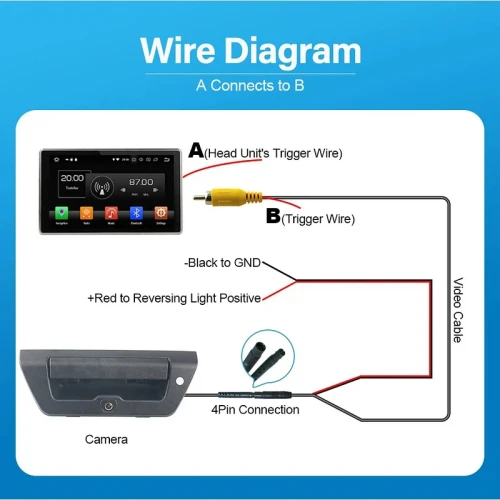
Wired Systems: Provide stable, anti-interference signals but require wiring from the camera to the display in the cab/living area. Ideal for permanent installation.
Wireless Systems: Easy to install and transmit signals wirelessly. However, they may suffer from signal interference or dropout over long distances or with obstacles, making them best suited for small trailers or situations where wiring is extremely difficult.
◆◆ Core Function Considerations:
Reversing Guidelines: Dynamic or static trajectory lines assist in judging distance and reversing path.
Compatibility: Ensure the camera is compatible with the chosen display (size, interface type) and any existing vehicle systems.
Temperature Tolerance: Check the operating temperature range, especially when traveling in extreme climates.
Invest Wisely for Safety
Saving on a reversing camera system for your RV, camper, or pickup truck is equivalent to taking a safety risk. Prioritize high resolution (1080p+), excellent waterproofing (IP68), powerful night vision, and a wide viewing angle. Choose the optimal installation location (high mounting is usually best for large RVs) and select durable, vehicle-specific cameras. While wireless systems offer convenience, wired systems provide the most stable signal-crucial for maneuvering your valuable "home on wheels." A high-quality reversing camera system delivers the confidence and visibility needed for safe navigation, turning stressful reversing operations into simple, controllable actions and ensuring peace and joy on every camping journey. Remember: in the realm of safety, clear vision is priceless.


