

As night falls, a new car slowly enters a residential parking lot, preparing to back into a narrow space. The driver intently watches the mirrors when sudden beeps echo inside the cabin. Simultaneously, the central screen displays a color-coded image showing a rear obstacle just 30 cm away. At this moment, the owner feels grateful for choosing the right parking assist system. 2025 data reveals that vehicles with parking assist systems experience 35% fewer collisions than unequipped models. These seemingly simple devices have saved countless car owners from financial losses and frustration.
Parking assist systems have become standard in modern cars, yet buyers face a dilemma: Should you choose parking sensors, a reverse camera, or both? How do they differ? What about cost, practicality, and reliability? Let's dissect these questions with professional insights and data.
1. Core Differences in Operation
Parking Sensors:
Use ultrasonic sensors to emit/receive sound waves, detecting obstacle distance.
Audible alerts intensify as obstacles approach (detection range: 0.3–2.5 m; response time: ~0.1 sec).
Reverse Camera:
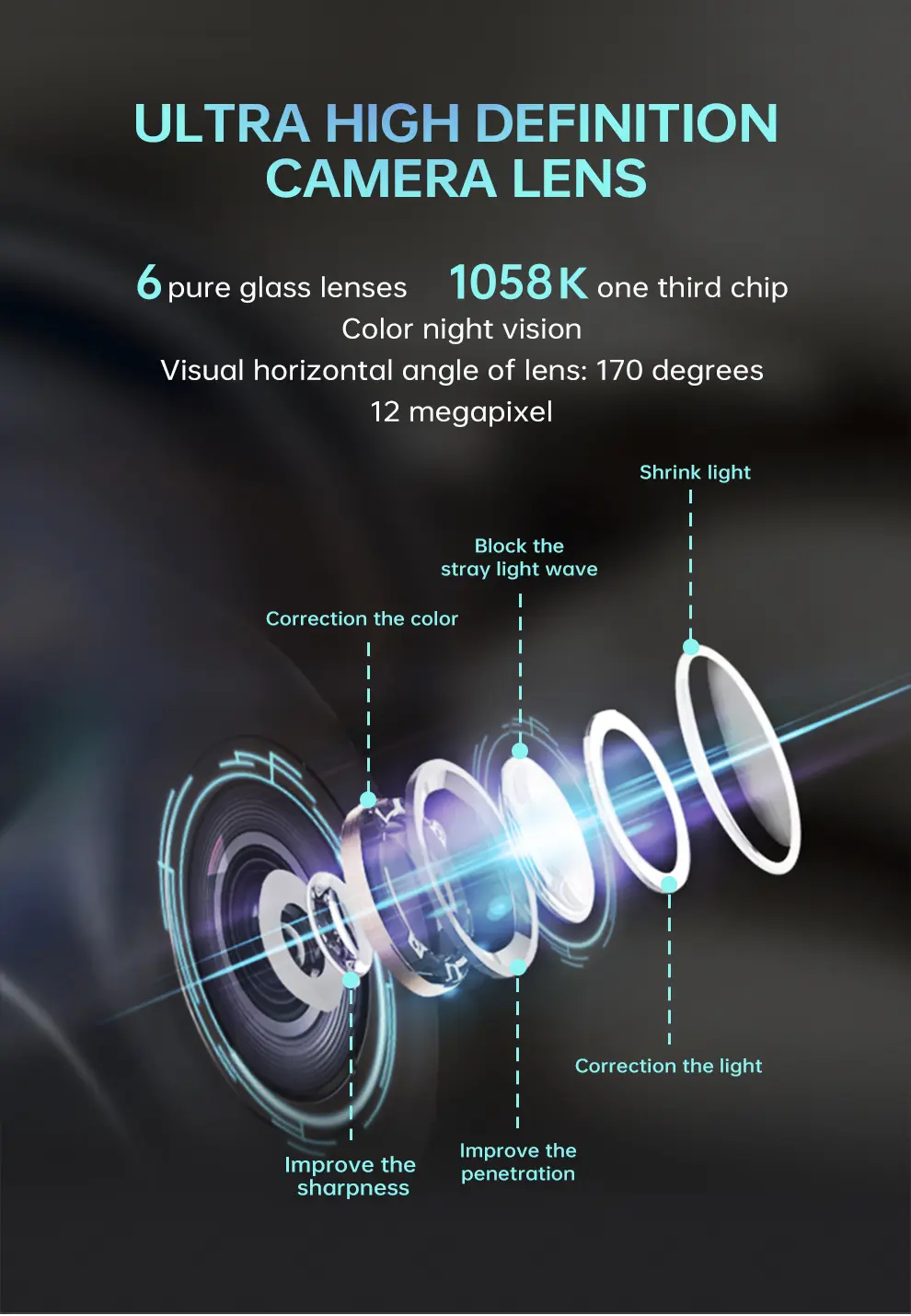
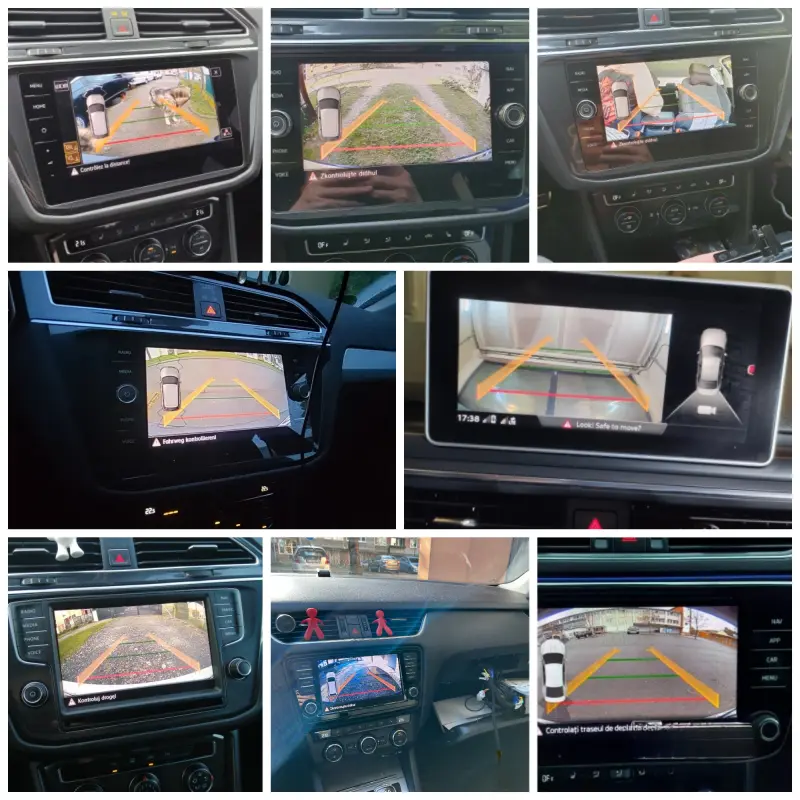
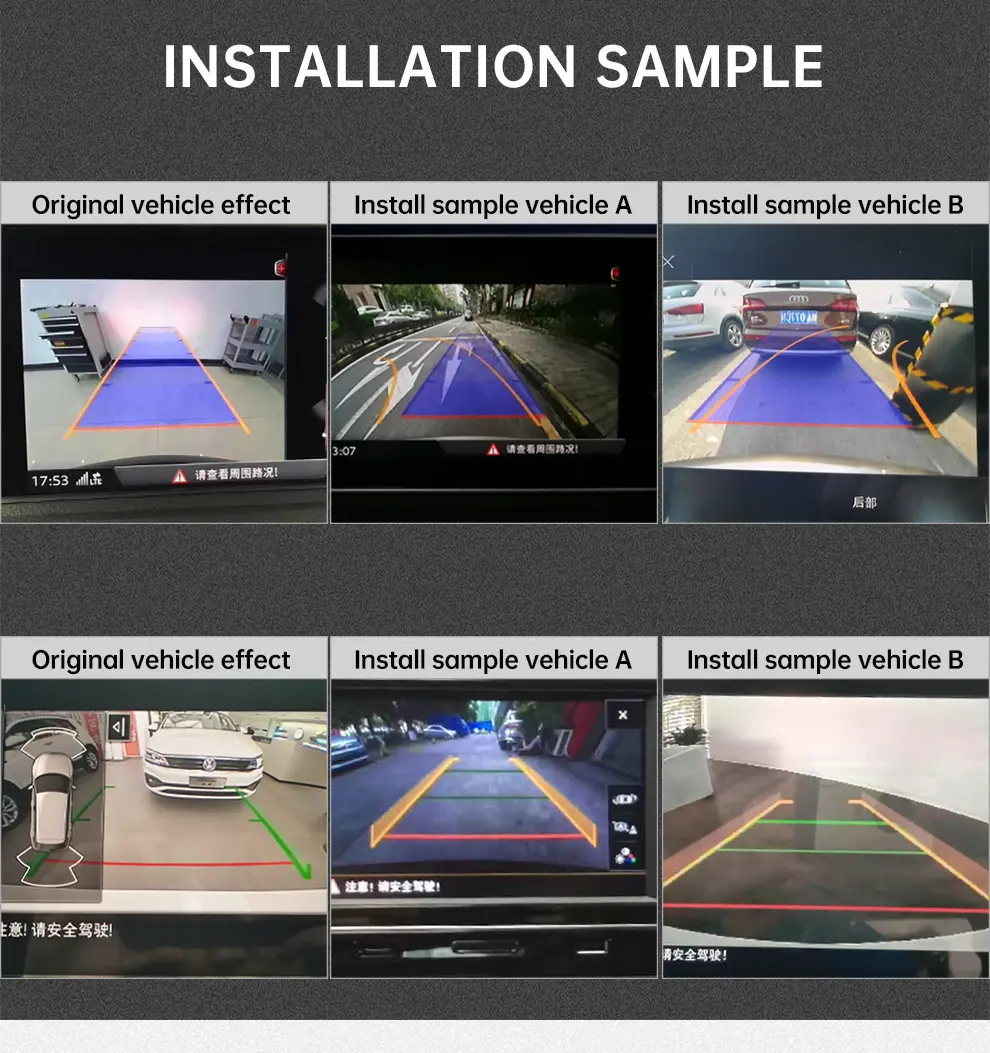
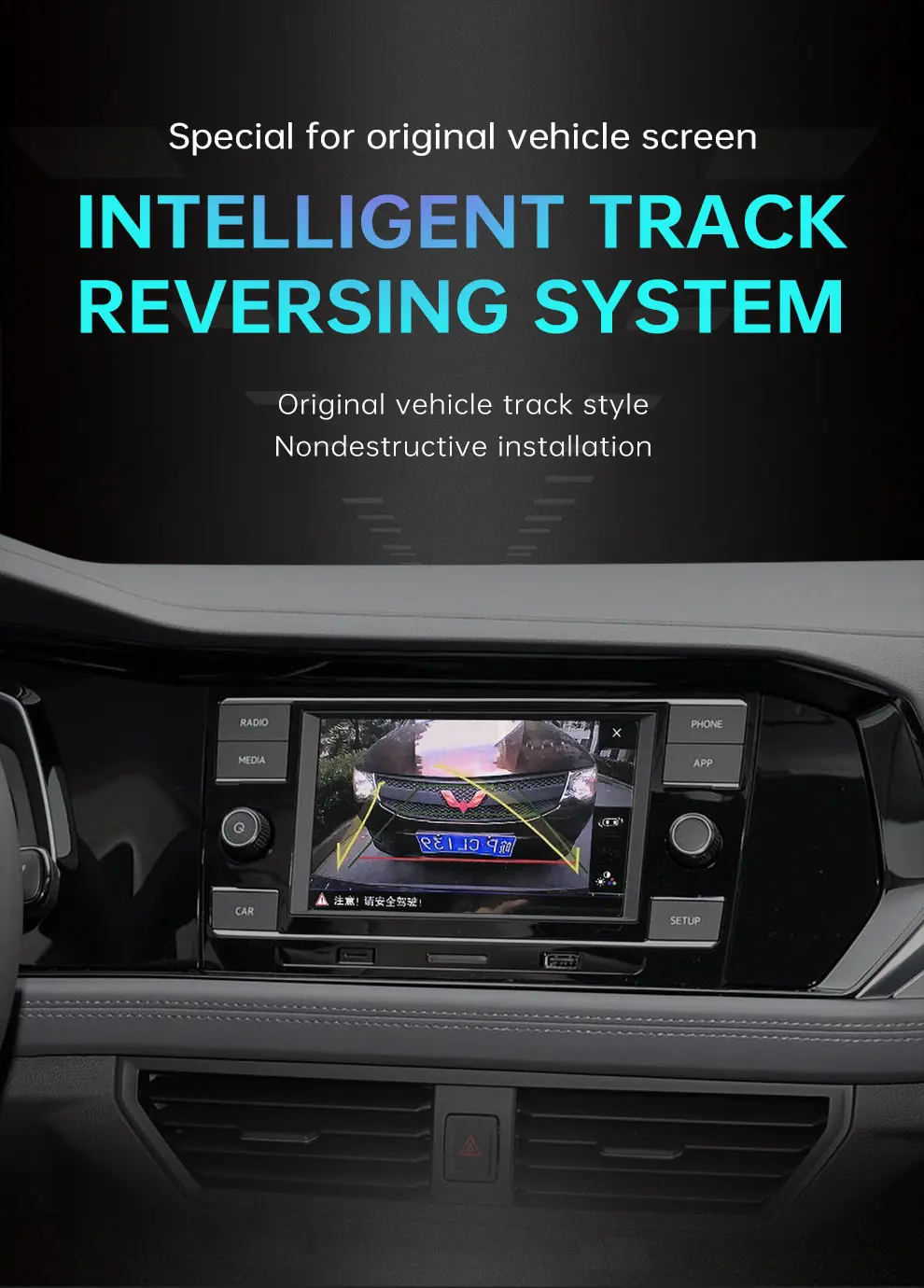
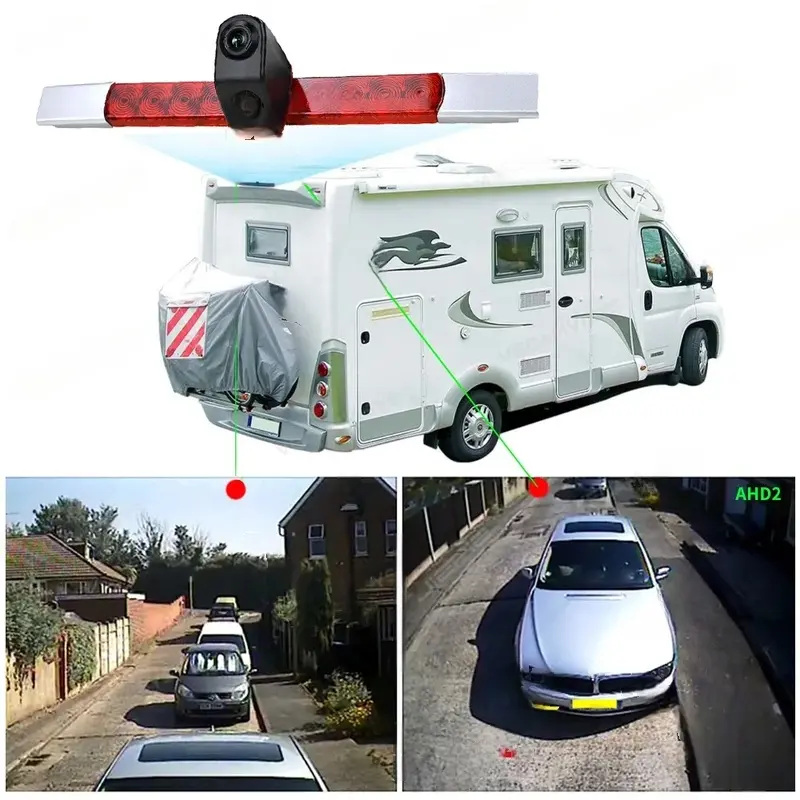
Captures rear footage via a camera, displaying real-time images on the dashboard screen.
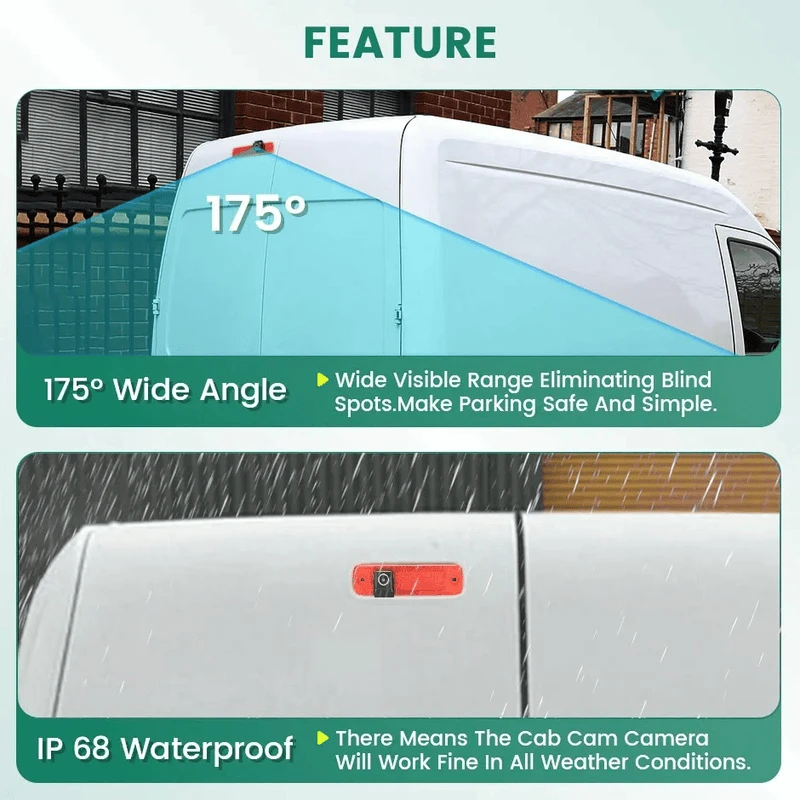
High-end versions feature fisheye wide-angle lenses (170°+ coverage).
2. Performance Comparison
|
Criteria |
Parking Sensors |
Reverse Camera |
|
All-Weather Use |
Excellent (unaffected by darkness/rain) |
Limited (image quality declines at night/in rain) |
|
Obstacle Detection |
97% accuracy (metal/concrete) • 65% (curbs/fabric) |
Visual confirmation • AI-powered pedestrian/child recognition |
|
Accuracy Rate |
Consistent day/night |
94% (day) → 78% (night) |
3. Reliability & Maintenance
|
Metric |
Parking Sensors |
Reverse Camera |
|
First Failure |
~3.5 years |
~4.2 years |
|
Common Issues |
Mud-clogged/damaged sensors |
Water ingress/cable faults |
4. User Experience & Trends
Survey Results (5,000 owners, 2024):
72% prefer reverse cameras for "intuitive assistance."
25% recommend combining both systems.
Parking time reduced by 40% on average.
Regulations:
China's 2024 revised safety rules mandate at least one parking assist system in all new vehicles. Result: 28% drop in reversing accidents; 41% fewer child-involved incidents.
5. Future Outlook & Recommendations
Market Trends:
By 2026: 80% new cars → standard reverse cameras; 65% → dual systems.
2028: 360° cameras/auto-parking to dominate mid-range models.
Buyer's Guide:
|
Driver Profile |
Recommended System |
|
Beginners |
Combo (Sensors + Camera) |
|
Experienced drivers |
Reverse Camera |
|
Budget-conscious |
Parking Sensors |
|
SUV/MPV owners |
Reverse Camera (critical) |
6. Critical Purchase Tips
Avoid cheap third-party products: Branded systems boast 85% satisfaction vs. 57% for no-name alternatives.
Compatibility check: Confirm if your infotainment system supports aftermarket installations.
ROI: Systems pay for themselves in ~3 years.
Final Verdict
As the owner in our opening scene demonstrates, combining both systems offers maximum confidence in tight spots. In 2025 surveys, 93% of users ranked parking assists as their most valued feature-outranking costlier upgrades.
Whether you choose sensors, a camera, or both, this investment isn't just about convenience-it's a guardian angel for every reverse maneuver.
Your Turn:
Already use a parking assist system?


