


Hey there! As a supplier of dynamic trajectory reverse cameras, I know how crucial it is to ensure these nifty gadgets work like a charm after installation. So, let's dive right into how you can test a dynamic trajectory reverse camera once it's all set up in a vehicle.
Pre - Installation Checks
Before we even start testing the camera after installation, there were some pre - installation checks that are super important. We need to make sure the camera itself is in tip - top condition. Check for any visible damage on the lens, the cables, and the housing. A cracked lens can distort the image, and a damaged cable might lead to connection issues later on. Also, verify that the camera is the right fit for the vehicle. Different cars have different mounting requirements and electrical systems. For example, our MQB PQ MIB Original Stereo CanBus Car Reversing Parking Camera is specifically designed for certain car models with a particular CanBus system.
Initial Power - On Test
Once the camera is installed, the first thing to do is power it on. Turn the ignition key to the accessory position or start the car. The camera should automatically turn on when you shift the vehicle into reverse. If it doesn't, check the power connection. It could be a loose wire or a blown fuse. Sometimes, the wiring might not be properly connected to the reverse light circuit, which is what usually triggers the camera to activate.

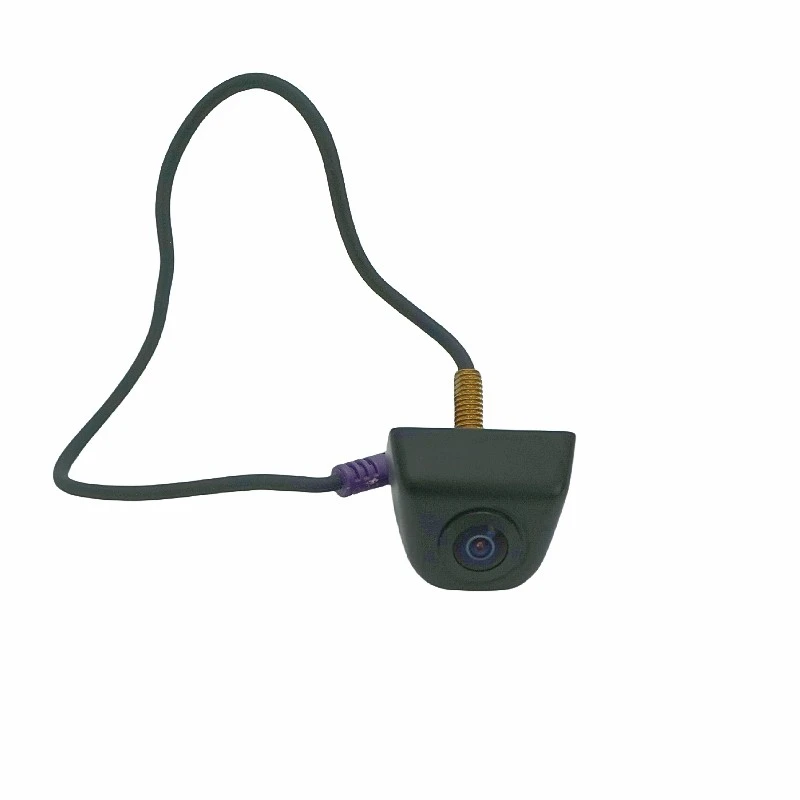
Image Quality Assessment
The next step is to assess the image quality. Back the car up to an area with good lighting and a clear background, like an empty parking lot. Take a look at the image on the display screen. The picture should be clear, without any blurring or pixelation. Colors should be accurate, and there shouldn't be any dark spots or lines on the screen. If the image is blurry, it could be due to a dirty lens. Clean the lens gently with a soft, lint - free cloth. If the problem persists, there might be an issue with the camera's internal components.
Dynamic Trajectory Lines
One of the key features of a dynamic trajectory reverse camera is the dynamic trajectory lines. These lines show the path the vehicle will take based on the steering wheel angle. To test these lines, turn the steering wheel slowly from left to right while the car is in reverse. The trajectory lines should move accordingly. If the lines don't move or move in an erratic way, there could be a problem with the steering angle sensor connection or the camera's calibration.
Calibration
Calibration is a vital part of getting the dynamic trajectory lines to work correctly. Most cameras come with a calibration process that needs to be done after installation. Usually, you'll need to park the car on a flat surface, turn the steering wheel to the straight - ahead position, and then follow the on - screen instructions to calibrate the camera. This might involve adjusting some settings on the display unit or using a special calibration tool. If the calibration isn't done properly, the trajectory lines won't accurately represent the vehicle's path.
Night Vision Test
A good reverse camera should also work well at night. To test the night vision capabilities, find a dark area, like an underground parking lot. Back the car up and check the image on the screen. The camera should be able to provide a clear enough image to see any obstacles in the way. If the image is too dark or grainy, the camera's infrared LEDs might not be working correctly or might not be powerful enough.
Waterproof and Durability Test
Since the reverse camera is installed on the exterior of the vehicle, it needs to be waterproof and durable. While it's not practical to fully submerge the camera, you can simulate some water exposure. Use a hose to gently spray water around the camera area, making sure to cover all the seams and connections. After that, check if there are any signs of water ingress inside the camera or if the image quality has been affected. If there are issues, the camera might not be properly sealed.
Compatibility with Other Systems
In modern cars, the reverse camera often needs to be compatible with other systems, like the infotainment system or the parking sensors. Check if the camera integrates smoothly with these systems. For example, when the parking sensors detect an object, the camera's display should show a corresponding alert. If there are compatibility issues, it could be due to a software glitch or an incorrect wiring setup.
Long - Term Testing
Finally, long - term testing is essential. Drive the car around for a few days or weeks, using the reverse camera regularly. Pay attention to any changes in the image quality, the functionality of the trajectory lines, or any other issues that might crop up over time. Sometimes, problems might not show up immediately but become apparent after extended use.
Conclusion
Testing a dynamic trajectory reverse camera after installation is a multi - step process that involves checking the power, image quality, dynamic trajectory lines, calibration, night vision, waterproofing, compatibility, and long - term performance. By following these steps, you can ensure that the camera is working correctly and providing the best possible assistance when reversing the vehicle.
If you're in the market for a high - quality dynamic trajectory reverse camera, we've got a great range of products, including the Car Parking Reverse Rear Camera for Audi Vw Camera and the Volkswagen MIB Dynamic Guidelines Backup Camera (Dedicated Interface). If you have any questions or are interested in purchasing our products, feel free to reach out for a procurement discussion. We're here to help you make the right choice for your vehicle.
References
- General automotive repair and camera installation manuals
- Manufacturer's guides for dynamic trajectory reverse cameras


