


As a reputable supplier of Volkswagen reversing camera decoding modules, I understand the critical role these components play in ensuring the safety and functionality of vehicles. One of the most common challenges that can compromise the performance of these modules is moisture. Moisture can lead to corrosion, short - circuits, and ultimately, the failure of the decoding module. In this blog post, I will share some effective strategies on how to protect a Volkswagen reversing camera decoding module from moisture.
Understanding the Risks of Moisture
Before delving into the protective measures, it's essential to understand why moisture is such a threat to the decoding module. The internal circuitry of the module is made up of delicate electronic components. When moisture comes into contact with these components, it can cause oxidation and corrosion. This not only disrupts the electrical connections but can also lead to the growth of mold and mildew, which further deteriorates the module's performance.
In addition, moisture can cause short - circuits. Water is a conductor of electricity, and if it gets into the wrong places within the module, it can create an unintended electrical path. This can lead to overheating, component failure, and even pose a fire hazard in extreme cases.
Installation Considerations
The first line of defense against moisture is proper installation. When installing the Volkswagen reversing camera decoding module, it's crucial to choose a location that is as dry as possible. Avoid areas where water can easily accumulate, such as near the wheel wells or in the lower parts of the vehicle where it may be exposed to splashes from the road.
Ensure that all wiring connections are properly sealed. Use high - quality waterproof connectors and insulation tape to prevent moisture from seeping into the electrical connections. When routing the wires, make sure they are not pinched or damaged, as this can create entry points for moisture.
Protective Enclosures
Using a protective enclosure is an effective way to shield the decoding module from moisture. There are various types of enclosures available on the market, ranging from simple plastic cases to more advanced waterproof and dustproof enclosures.
When selecting an enclosure, look for one that is specifically designed for automotive use. It should be made of durable materials that can withstand the rigors of the road, including temperature changes and vibrations. The enclosure should also have a tight - fitting seal to prevent moisture from entering.
Before placing the decoding module inside the enclosure, clean it thoroughly to remove any dust or debris. This will help ensure that no contaminants are trapped inside the enclosure, which could potentially cause problems in the long run.
Desiccants
Desiccants are substances that absorb moisture from the air. Placing desiccant packs inside the protective enclosure can help keep the environment around the decoding module dry. Silica gel is a commonly used desiccant in automotive applications.
You can purchase silica gel packs from automotive supply stores or online. Make sure to replace the desiccant packs regularly, especially if you notice that they have become saturated. A simple way to tell if a silica gel pack needs to be replaced is by its color. Many silica gel packs change color when they are saturated, usually from blue to pink.
Regular Inspections
Regular inspections are crucial for detecting and addressing moisture issues early. Check the decoding module and its enclosure for any signs of moisture, such as water droplets, condensation, or corrosion. Look at the wiring connections for any signs of rust or damage.
If you notice any moisture or damage, take immediate action. Dry the module thoroughly using a clean, dry cloth or compressed air. If there is corrosion, you may need to clean the affected areas with a specialized electrical contact cleaner.
Coating and Sealing
Applying a protective coating to the decoding module can provide an additional layer of protection against moisture. There are various types of coatings available, such as conformal coatings, which are thin layers of material that conform to the shape of the module.
Conformal coatings can protect the module from moisture, dust, and chemicals. They are typically applied using a spray or dip method. Before applying the coating, make sure the module is clean and dry. Follow the manufacturer's instructions carefully to ensure proper application.
In addition to coating, sealing the edges of the module and its enclosure can also help prevent moisture from entering. Use a high - quality silicone sealant to seal any gaps or openings. This will create a barrier that keeps moisture out.
Climate Control
In some cases, it may be necessary to implement climate control measures to protect the decoding module from moisture. For example, if the vehicle is parked in a humid environment for extended periods, you can use a dehumidifier in the garage or storage area.
Some advanced automotive systems also have built - in climate control features. These systems can regulate the temperature and humidity inside the vehicle, which can help protect the decoding module and other electronic components.
Related Products
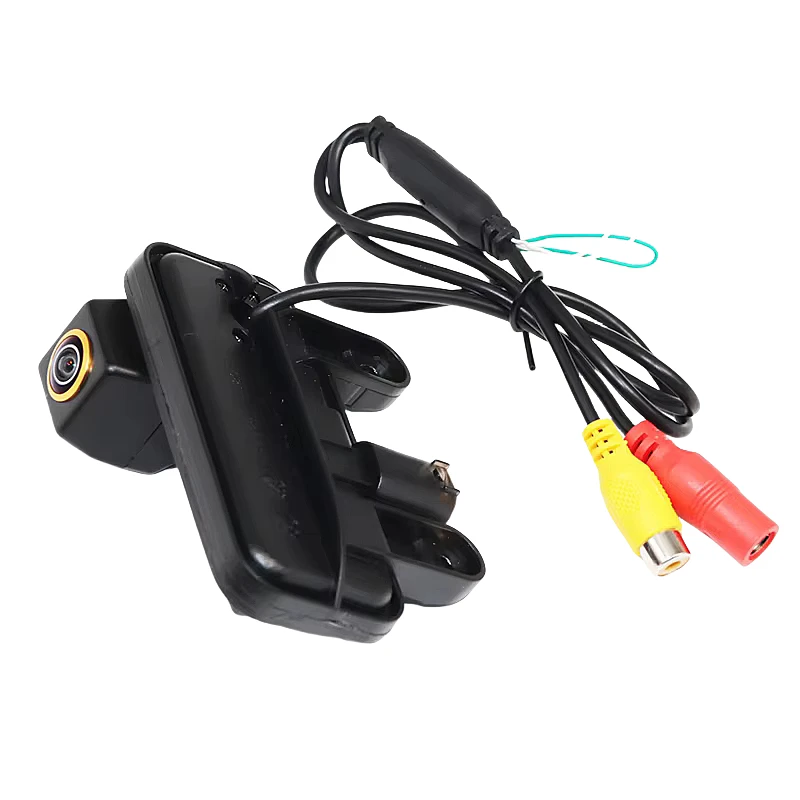
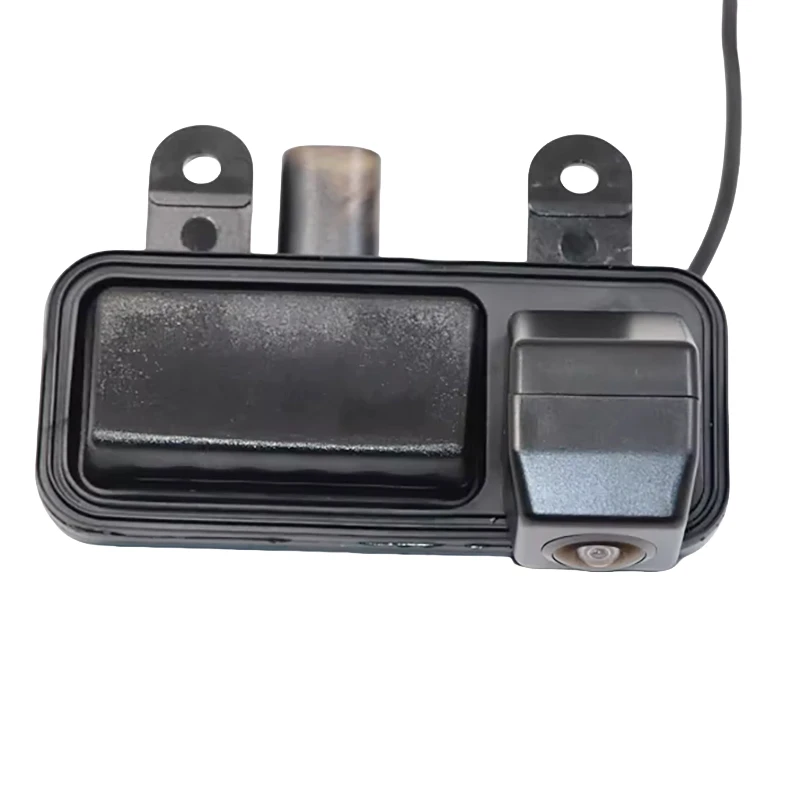
If you are interested in other automotive camera products, we also offer a wide range of high - quality reverse cameras. For instance, the 2016 - 2020 Mercedes - Benz B - Class/E - Class Reverse Camera is a great option for Mercedes - Benz owners. It provides clear and accurate rear - view images, enhancing safety during reversing maneuvers.
Another popular product is the Universal For 2010 - 2016 Mercedes - Benz E - Class (W212) Reverse Camera. This camera is designed to be compatible with a specific range of Mercedes - Benz E - Class models, offering a perfect fit and excellent performance.
We also have the Mercedes Viano Vito High - Mount Brake Light Camera, which is a unique and practical solution for Mercedes Viano and Vito vehicles. It is installed in the high - mount brake light, providing a wide - angle view of the rear.
Conclusion
Protecting a Volkswagen reversing camera decoding module from moisture is essential for ensuring its long - term performance and reliability. By following the strategies outlined in this blog post, including proper installation, using protective enclosures, desiccants, regular inspections, coating and sealing, and climate control, you can significantly reduce the risk of moisture damage.
If you are in the market for high - quality Volkswagen reversing camera decoding modules or other automotive camera products, we are here to help. Our products are designed to meet the highest standards of quality and performance. Contact us for more information and to discuss your specific requirements. We look forward to working with you to provide the best solutions for your automotive needs.
References
- Automotive Electrical Systems Handbook
- Guide to Protecting Electronic Components in Harsh Environments


