

On November 7, we learned from FAW-Volkswagen that the 2026 Golf GTI, a compact sedan, has been officially launched, offering a single configuration. As part of the eighth-generation model, it is built on the MQB Evo platform and equipped with a 2.0T engine, delivering a performance of 162 kW and 350 Nm.
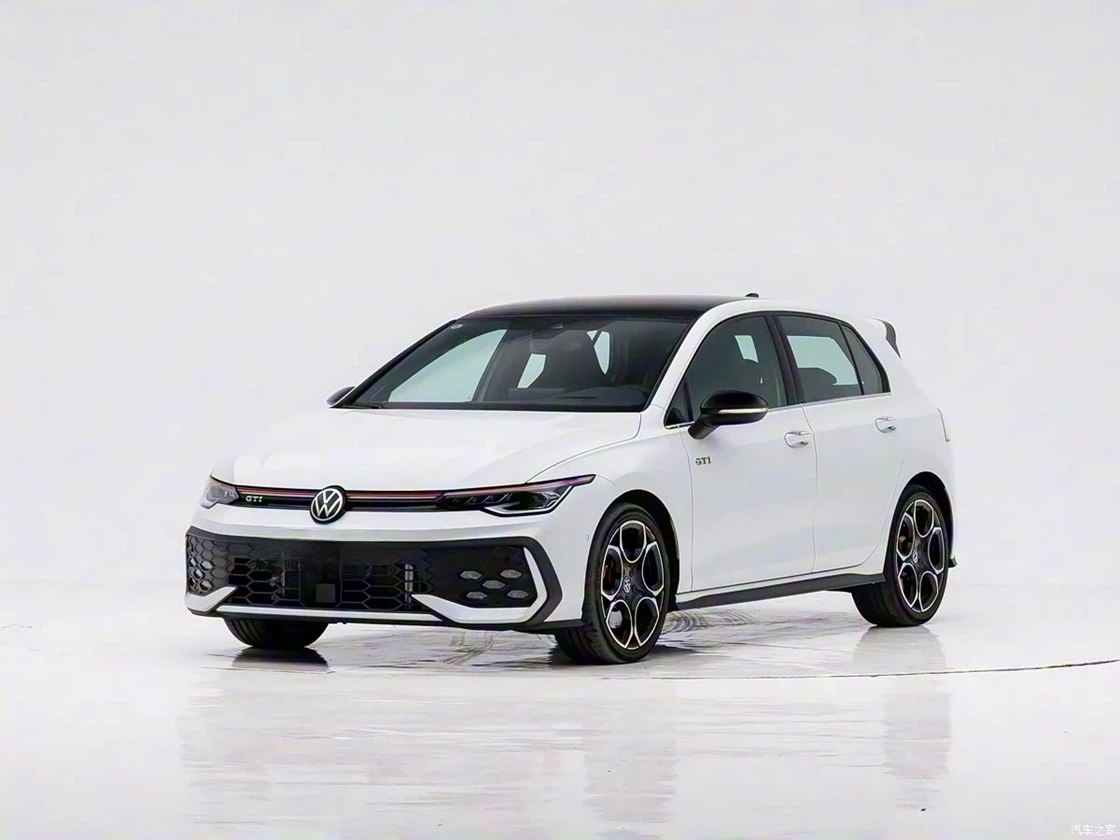
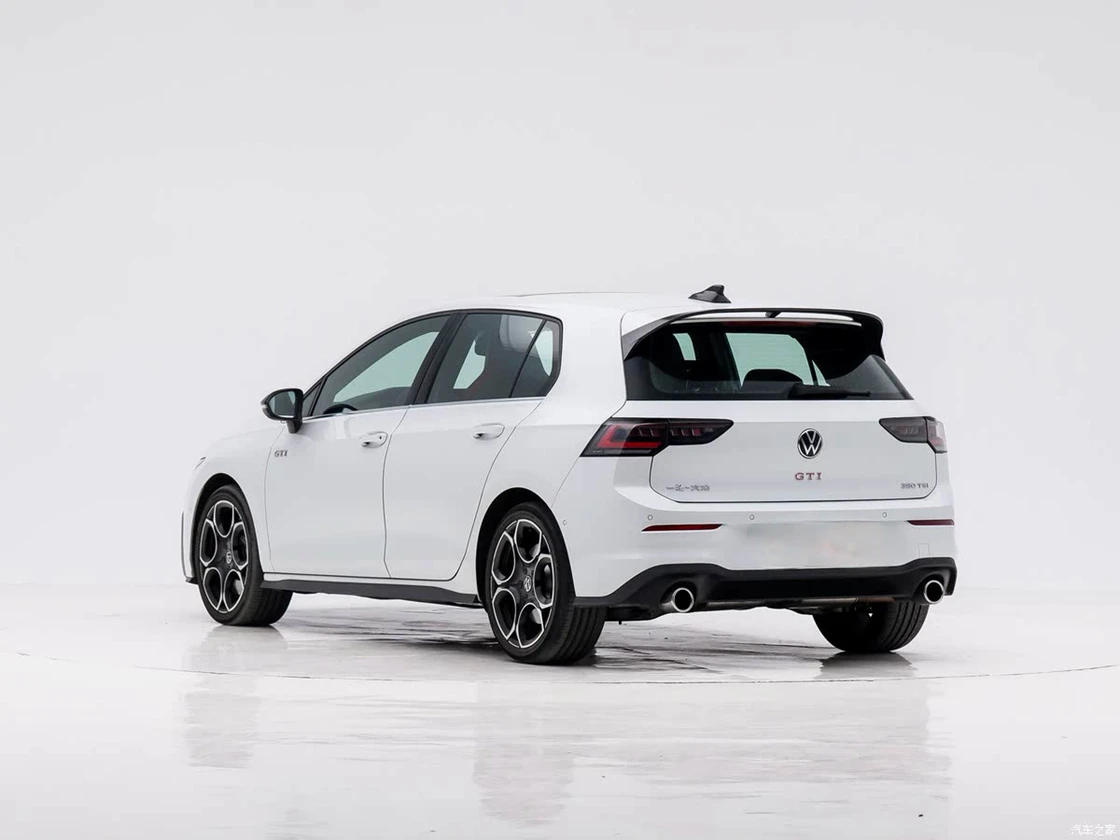
As a facelift model, it primarily focuses on upgrades in terms of features, while the exterior design largely continues the styling of the previous model. To briefly recap, the car features a narrow front grille with an integrated red trim strip and exaggerated air intakes on both sides, giving it a sporty feel. At the rear, the car is equipped with dual round exhaust pipes and a sizable roof spoiler, further enhancing its sporty appeal. Additionally, the car comes with five-spoke petal-style alloy wheels and red brake calipers.
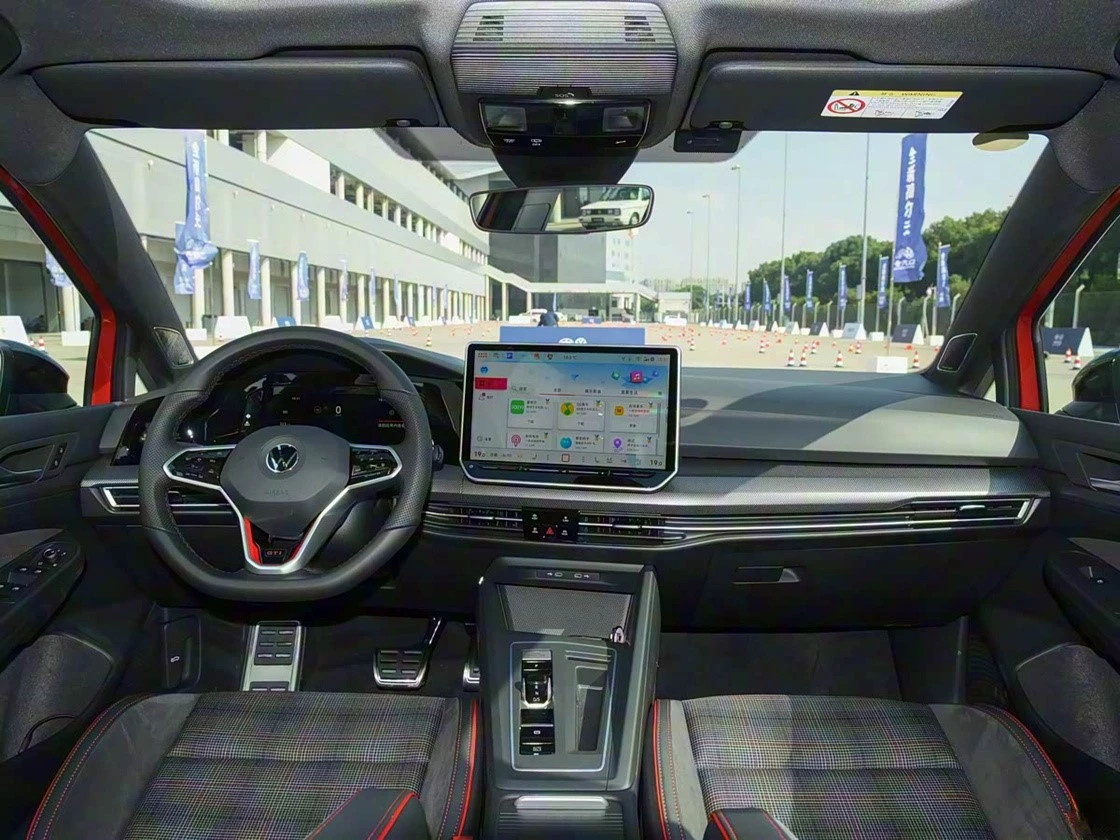
As a facelift model, it adds remote parking, Bluetooth key, and remote start functionality compared to the previous version. The wireless charging power has been upgraded from 15W to 40W, the genuine leather steering wheel has been replaced with a leather-wrapped one, and the onboard air purifier has been removed. The remote features via the mobile app have also been expanded, including door control, vehicle start, air conditioning control, owner services (such as finding gas stations and parking lots), and scheduled maintenance/repairs.
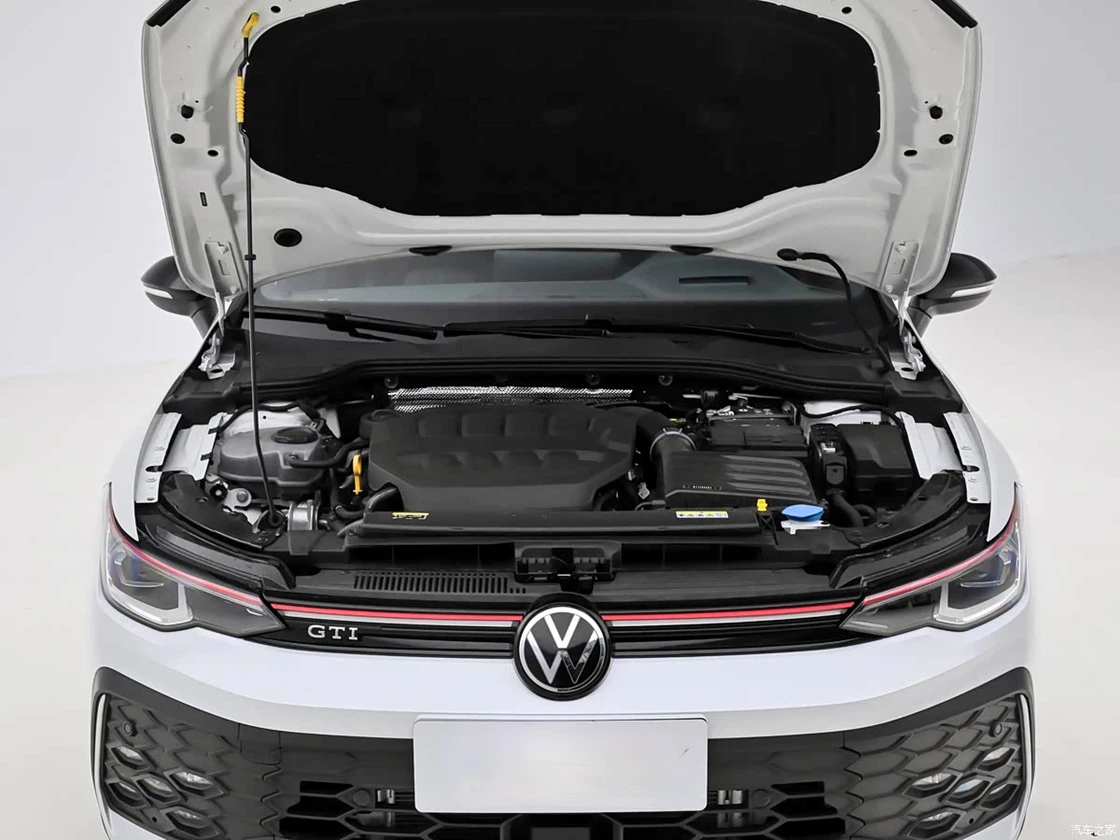
In terms of dimensions, the car measures 4289 mm in length, 1788 mm in width, and 1468 mm in height, with a wheelbase of 2631 mm. Under the hood, it is powered by a 2.0T engine (model EA888-DTJ) with a maximum output of 220 horsepower and a peak torque of 350 Nm. It is paired with a 7-speed wet dual-clutch transmission. For suspension, the car features a front MacPherson strut independent suspension and a rear multi-link independent suspension.
Developing Chips In-House in China! Volkswagen Group Deepens Strategic Cooperation with Horizon
Reposted from NetEase Auto
NetEase Auto, November 6th Report
On November 5, 2025, the opening day of the 8th China International Import Expo, Volkswagen Group (China) officially announced that CARIZON, the joint venture established between the Group's software company CARIAD and China's smart driving tech company Horizon Robotics, will independently design and develop System-on-Chips (SoCs) in China. Leveraging its profound expertise in software-hardware co-design, high-performance computing solution R&D, and mass production, Horizon Robotics will help Volkswagen Group further advance its "In China, for China" strategy.
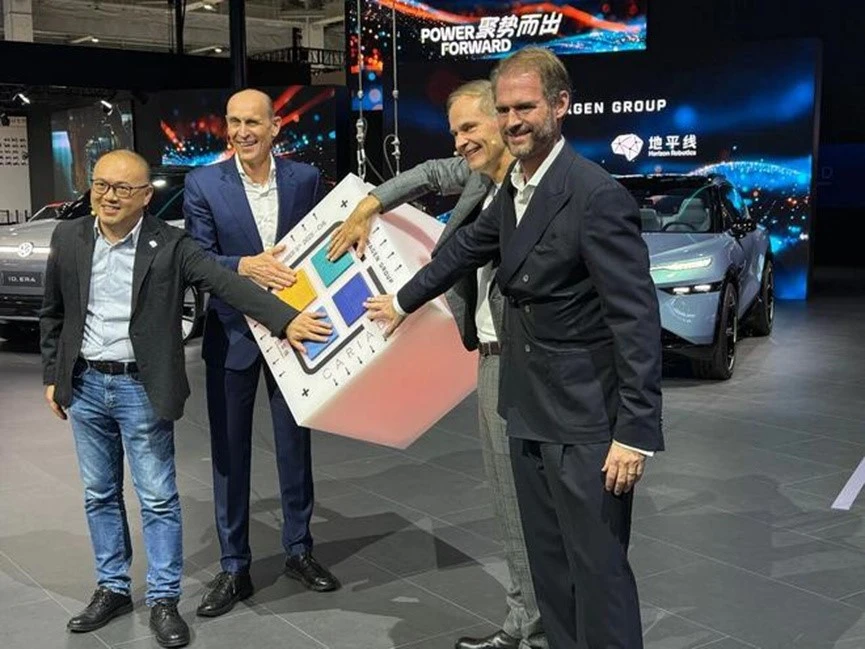
Developing Chips In-House in China: Volkswagen Group Deepens Strategic Cooperation with Horizon
This in-house chip development project represents a strategic investment of approximately $200 million by the Volkswagen Group in China. It is reported that the first batch of chips will be used in Volkswagen Group's China-market models equipped with Level 3 and above autonomous driving functions, with mass production and delivery expected within the next three to five years.

This SoC is specifically built for Volkswagen's new generation of intelligent connected vehicles and will provide technical support for Advanced Driver-Assistance Systems (ADAS) and Autonomous Driving (AD). Its core function is to process vast amounts of data collected by cameras and sensors in real-time, assisting the vehicle in making driving decisions under complex road conditions, tailored to China's local traffic environment and user driving habits.
This chip offers a single-chip computing power of 500 to 700 TOPS, achieving a balance between power consumption and system performance through algorithm optimization. It will enhance the real-time decision-making capabilities, safety redundancy, and operational stability of the smart driving system. Mass production and delivery are anticipated within the next three to five years, initially for application in Volkswagen Group's China-market models equipped with Level 3 and above autonomous driving functions.
The development of this system-level computing solution will integrate the Volkswagen Group's global experience in engineering systems and system integration with Horizon Robotics' strong capabilities in combined software-hardware technology and local mass-production advantages, jointly creating the "intelligent brain" for China's new generation of intelligent connected vehicles. Aiming for "intelligence and efficiency," this computing solution seeks the optimal balance between computing power consumption and system performance through algorithm optimization, further enhancing the safety and scalability of Volkswagen Group's smart driving systems in China. It empowers the vehicle with the ability to "think," processing large volumes of data from cameras and sensors in real-time and making safer, smoother, and more intelligent decisions in complex road scenarios, helping the Volkswagen Group create a mobility experience that truly aligns with local road traffic conditions and user driving habits.
Currently, CARIZON's first ADAS solution is set to enter mass production in 2025, successfully concluding the "first phase" of the partners' independent smart driving R&D cooperation in China. With the launch of the in-house system-level computing solution development, the "second phase" of cooperation officially begins. Horizon Robotics will further empower the Volkswagen Group to strengthen its local full-stack smart driving R&D capabilities, promoting the mass production and commercial deployment of high-performance, safe, and reliable integrated smart driving solutions.
This in-house chip development project is a significant implementation measure under Volkswagen Group's "In China, for China" strategy, marking the Group's progression from production localization to core technology R&D localization. Through this project, the Group will strengthen its local full-stack smart driving R&D capabilities, making progress in reducing system costs, improving development efficiency, and enhancing technological scalability, thereby extending high-performance smart driving technology to more models and price segments.
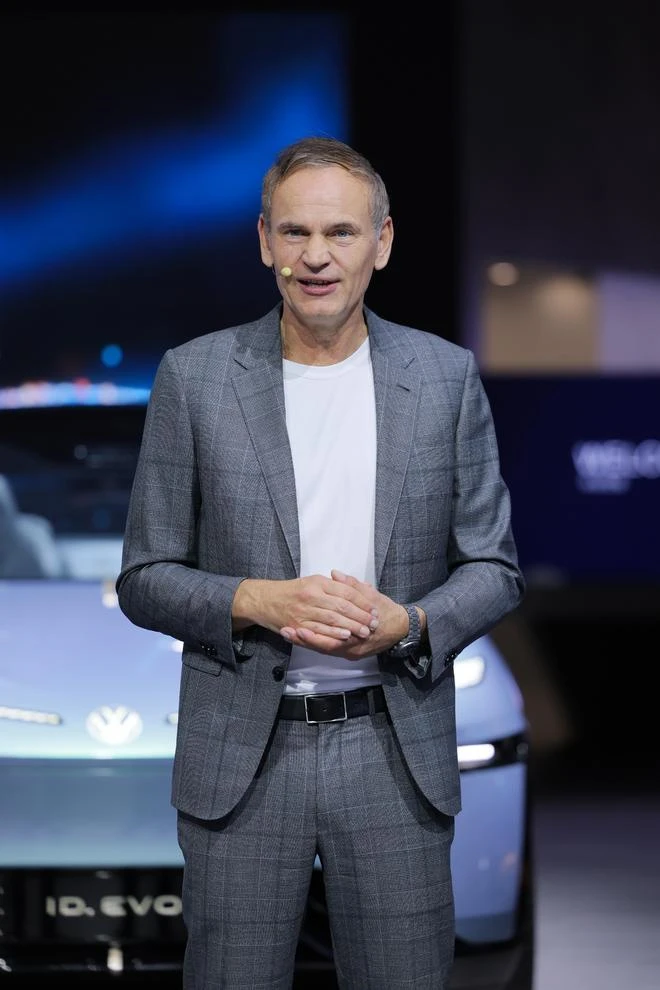
Oliver Blume, Chairman of the Supervisory Board of Volkswagen AG, stated, "As a global, technology-driven company, the Volkswagen Group is continuously strengthening the foundation for innovation in key future technologies. The Chinese market plays a crucial role in this process. By independently designing and developing system-on-chips in China, we are mastering key technologies for the future of smart mobility. This will further consolidate the Group's long-term innovation capability and establish China as a vital source of global innovation for the Volkswagen Group."

Ralf Brandstätter, Volkswagen Group Management Board Member responsible for the China Board and Chairman & CEO of Volkswagen Group (China), pointed out: "We are accelerating the implementation of our 'In China, for China' strategy, moving from production localization towards the localization of core technology R&D that will shape future mobility. The start of the in-house SoC project marks another key step in our technological innovation journey and reaffirms the Group's long-standing commitment to centering on the needs of Chinese customers, integrating smarter, safer, and smoother driving experiences into the daily travel of Chinese consumers."
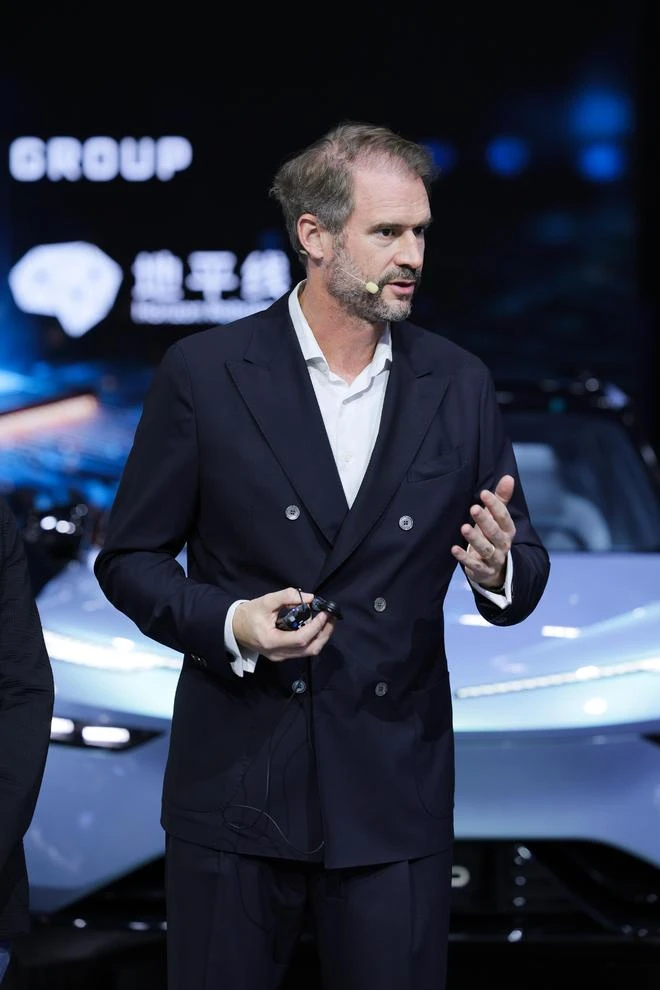
Peter Bosch, CEO of CARIAD, said: "This system-on-chip, custom-developed by CARIZON, represents a crucial step for our smart driving strategy and marks a significant leap in the Group's smart driving R&D capabilities in China. In the future, we will not only continue to deepen the development of autonomous driving software but will also independently design AI SoCs that combine high performance with high efficiency. As a global automotive technology driver, with this chip, the Group will further optimize the performance of ADAS, delivering a smarter, more reliable, and more accessible mobility experience to Chinese consumers."

Dr. Yu Kai, Founder and CEO of Horizon Robotics, stated: "This cooperation further deepens the strategic partnership between Horizon Robotics and the Volkswagen Group and demonstrates the Volkswagen Group's long-term trust and commitment to the Chinese market. We are delighted to join hands with the Volkswagen Group and its brands to bring safe, intelligent, and accessible mobility experiences to more users. In the future, we will continue to journey together, promoting the scaled application of smart driving technology, allowing innovative technology to truly become part of every user's daily travel."
To advance smart driving development, the Volkswagen Group is building a complete local R&D system covering chips, software, systems, and vehicles, laying the foundation with the new generation of Regional Control Electronic Architecture (CEA) and in-house developed chips. Starting in 2026, the first models equipped with the CEA architecture and ADAS functions developed by CARIZON will be delivered to Chinese consumers successively. By 2027, the Group will launch more than 20 electrified models. By 2030, it will offer around 30 all-electric models, accelerating the transition to the era of intelligent connected vehicles.
As the automotive industry transformation deepens, technological innovation has become the core force driving industrial upgrading and market competition. The "Deep Co-creation" model established by Horizon Robotics and the Volkswagen Group not only promotes breakthroughs in core technologies but also lays a solid foundation for the safe and reliable large-scale deployment of smart driving solutions through an open and enduring collaborative paradigm, setting an example for synergistic development between global leading automakers and Chinese tech companies.
Global Automotive Display Shipments Reach 120.96 Million Units in H1, Growing 5.1%
According to the latest report from Automotive Display Intelligence Service, global automotive display market shipments reached 120.96 million units in the first half of 2025, a year-on-year increase of 5.1%. As understood by Zhichepai, the market is entering a new phase of structural transformation-shifting from mere screen proliferation towards coordinated, software-defined cockpit integration.
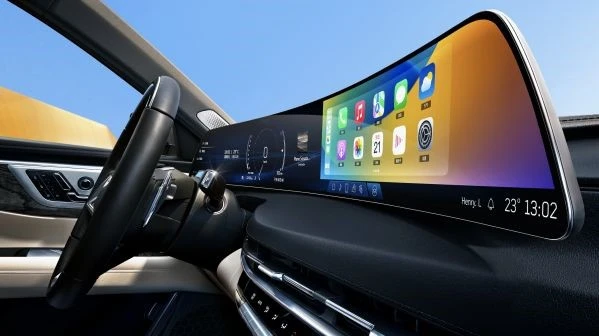
Automotive Displays
Breaking down the segments, the Center Screen Display (CSD) segment saw its year-on-year growth rate slow to 2.0% after a period of rapid expansion. This is due to the already high penetration rate of factory pre-installation, leaving limited room for incremental growth. Control Panel Display shipments declined by 4.1%, reflecting the trend of integrating HVAC and audio interfaces-functions that previously relied on dedicated control panel displays are now being integrated into the main center screen or replaced by physical buttons.
Although shipment growth has slowed, CSD technology continues to evolve rapidly. The market share of a-Si LCD dropped from 69.6% in H1 2023 to 51.0% in H1 2025, while the share of LTPS LCD surged from 29.1% to 46.4%. The penetration rate of AMOLED nearly doubled to 2.1%, primarily driven by high-end electric vehicles and flagship cockpit projects.
The Instrument Cluster Display (ICD) segment shipments grew 16.8% year-on-year to 43.3 million units, with small-sized clusters under 6 inches showing the fastest growth, driven by compact electric vehicles and entry-level models in emerging markets. The Head-Up Display (HUD) segment shipments increased 25.3% year-on-year, mainly propelled by larger projection optics. HUDs of 3.1 inches and above now account for over 50% of total shipments, marking a significant step forward in AR-HUD deployment and immersive forward visualizations.
Notice: The content above (including the pictures and videos if any) is uploaded and posted by a user of NetEase Hao, which is a social media platform and only provides information storage services.


