

Vehicle reverse camera guidelines, particularly dynamic trajectory lines, are a crucial component of modern automotive safety systems. By integrating real-time images captured by the camera with vehicle steering angle data, they provide drivers with precise guidance for reversing paths. However, despite their highly intelligent and real-time design, the accuracy of dynamic trajectory lines is not absolute. Variations may occur due to differences in vehicle models, installation positions, or system implementations. This article delves into the principles, accuracy, influencing factors, and practical considerations of dynamic trajectory lines from multiple perspectives to help drivers better understand and utilize this feature.
1. Principles and Functions of Dynamic Trajectory Lines
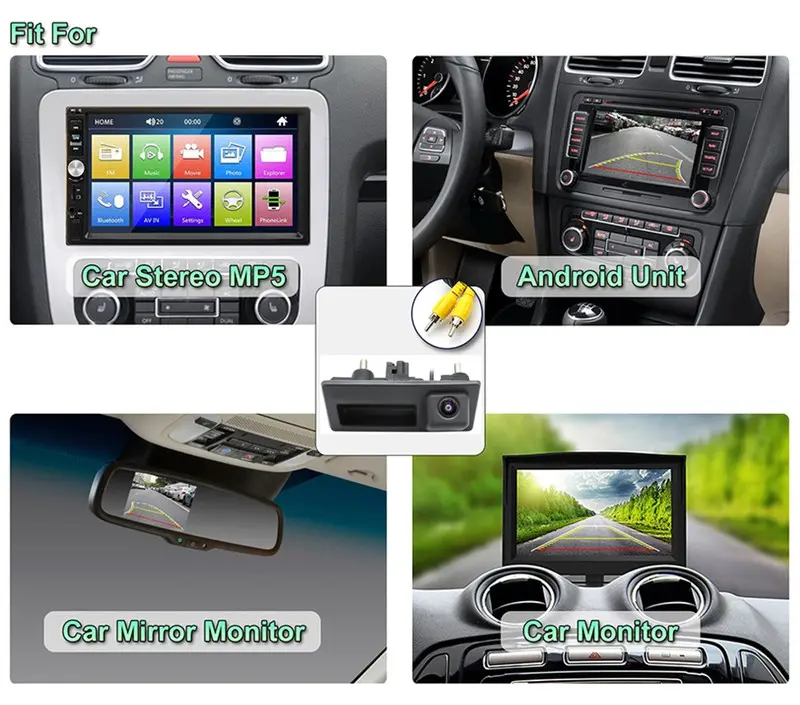
Dynamic trajectory lines are an advanced feature in reverse camera systems. They capture real-time images of the area behind the vehicle using an onboard camera and combine this data with the vehicle's steering angle to calculate the motion path of the rear wheels in real time. This path is displayed as a line on the screen, dynamically adjusting as the steering wheel turns to accurately reflect the vehicle's actual movement.
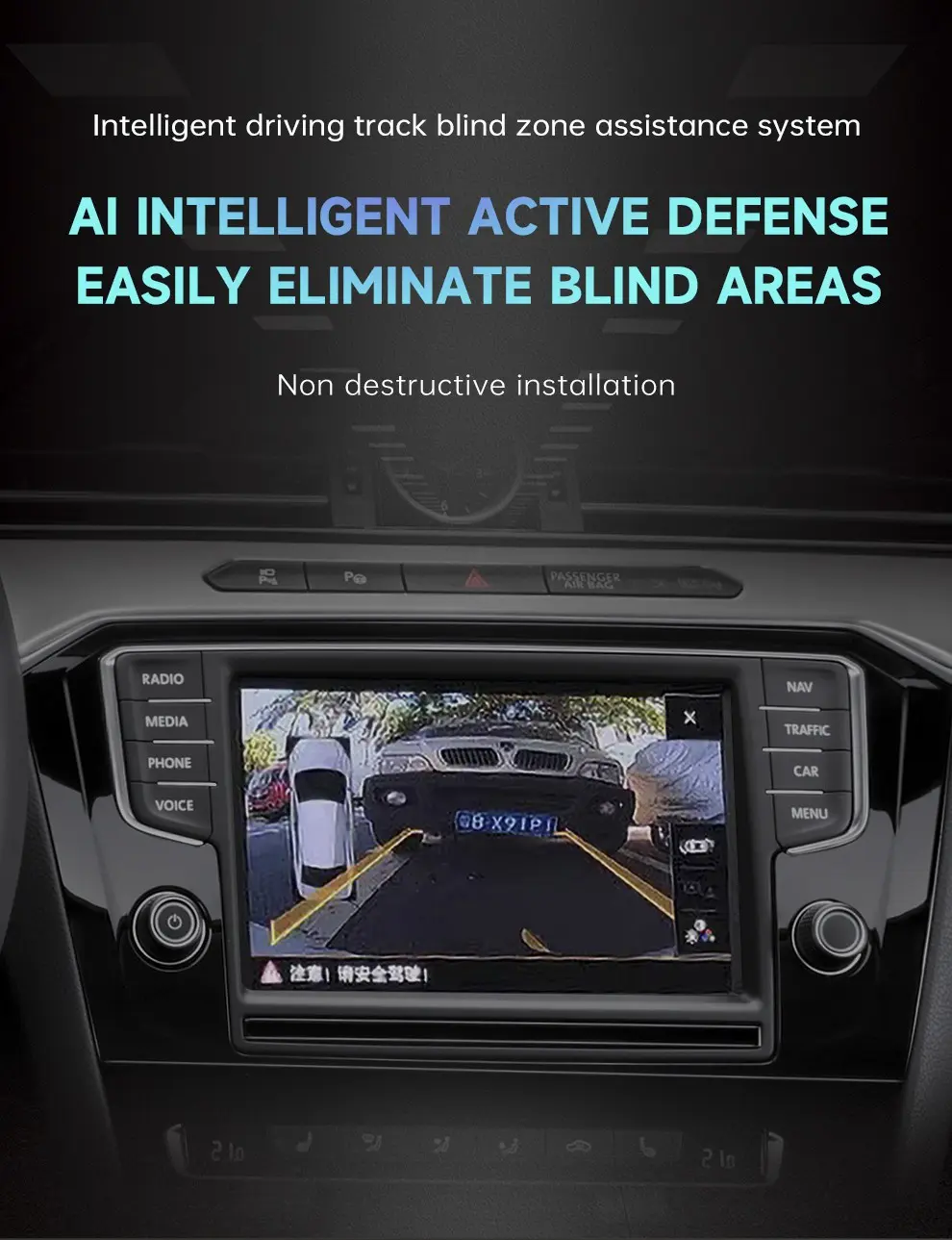
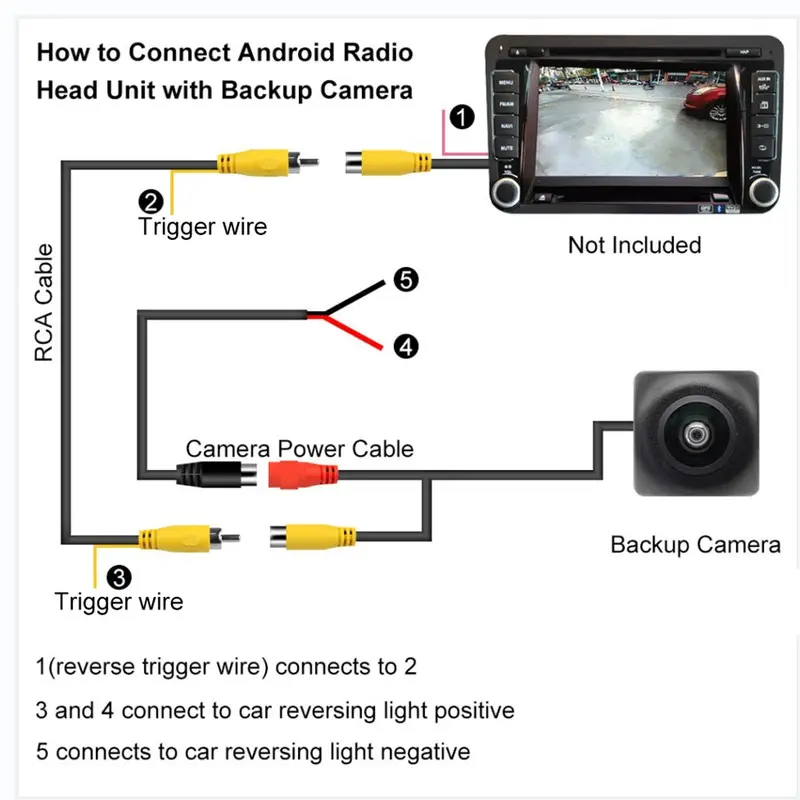
The implementation of dynamic trajectory lines relies on the vehicle's CAN bus system, which retrieves steering angle signals from the onboard network. Through algorithmic processing of these signals, the system computes the rear wheel trajectory and overlays it onto the real-time image, ultimately displaying a dynamically changing guideline on the navigation screen. This dynamic line not only helps drivers judge the vehicle's direction but also offers more precise reversing guidance in narrow or complex environments.
2. Accuracy Analysis of Dynamic Trajectory Lines
Despite their intelligent and real-time design, the accuracy of dynamic trajectory lines is not absolute. According to multiple research studies and user feedback, their accuracy is influenced by various factors, including vehicle model differences, camera installation positions, system implementation methods, and environmental conditions.
2.1 Impact of Vehicle Model Differences and Camera Installation Positions
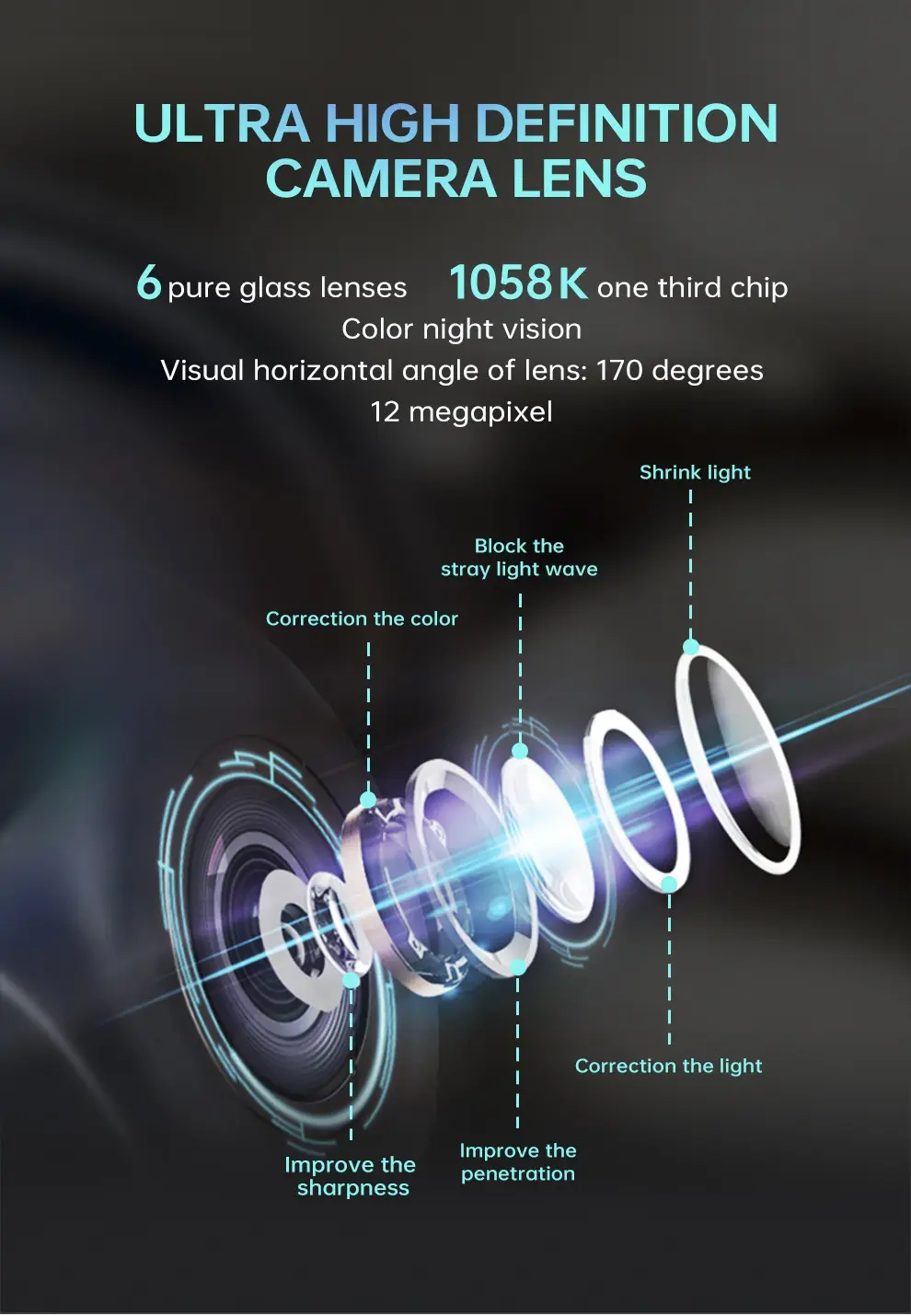
Dynamic trajectory lines may vary in shape, position, and angle across different vehicle models. For instance, some tests of the SV2311 reverse camera system revealed that the trajectory lines were identical in size, angle, and position for different models, which did not align with real-world conditions. This suggests that the accuracy of dynamic trajectory lines may vary by model, particularly across different brands or types of vehicles, where the system may not fully match the actual rear wheel trajectory.
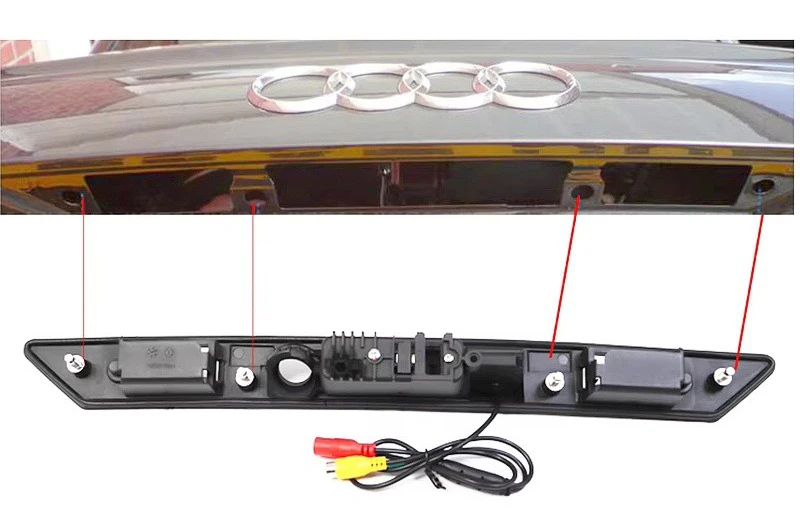
Additionally, the camera installation position significantly affects accuracy. If a dedicated onboard camera is installed on the license plate light, which is often not centered on the vehicle, the accuracy of the guidelines may be compromised. Therefore, it is recommended to use a universal onboard camera installed at the center of the vehicle to ensure better alignment between the guidelines and the actual position.
2.2 Differences in System Implementation
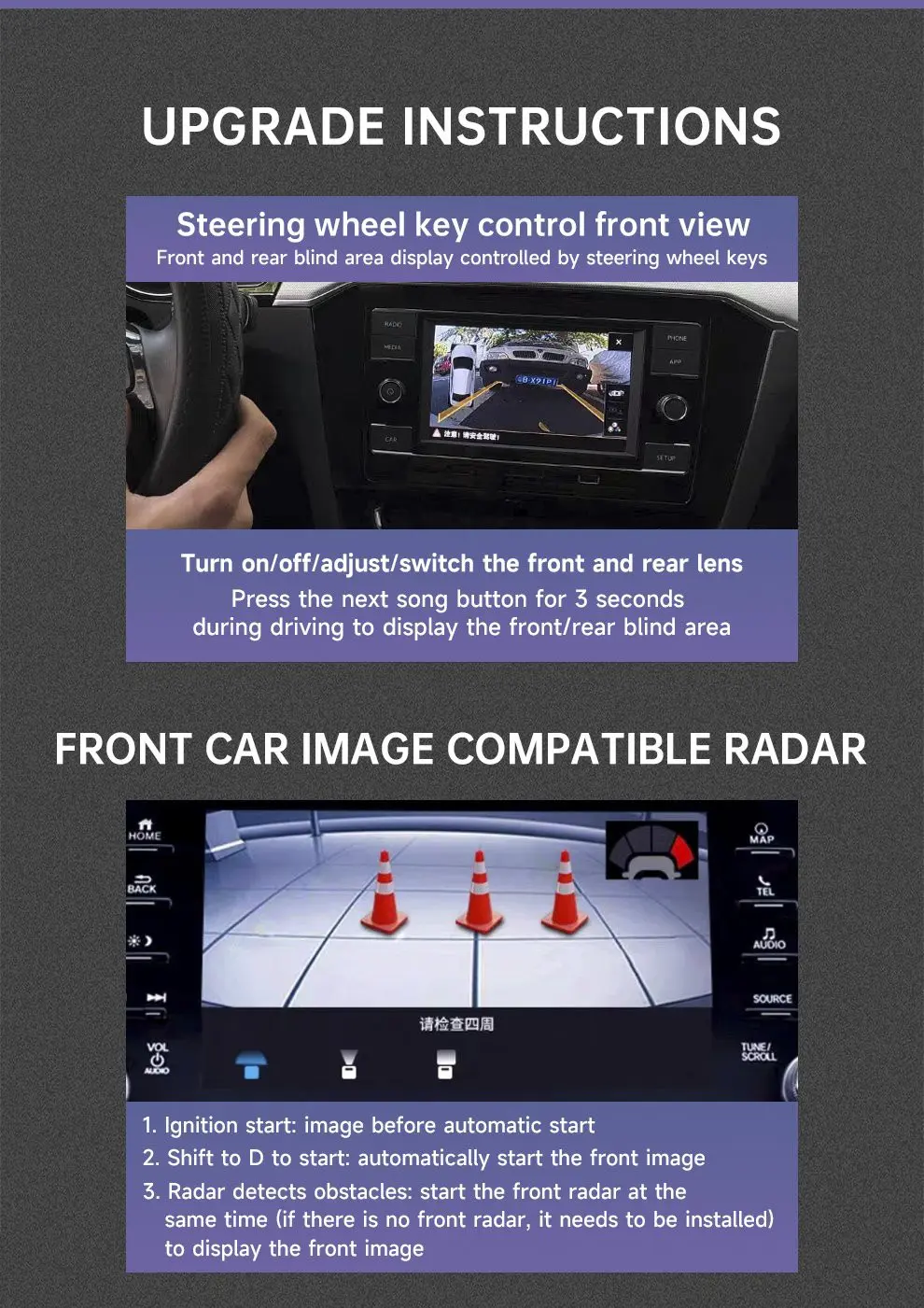
The method of implementing dynamic trajectory lines also impacts their accuracy. Reference lines in standard reverse cameras are typically fixed by the camera's internal circuitry, whereas dynamic trajectory cameras require data from the onboard network, such as steering angle, to calculate the rear trajectory in real time using algorithms. Although dynamic trajectory cameras provide more precise reversing guidance, their accuracy still depends on the precision of the system algorithms and data processing capabilities.
However, some user feedback indicates that certain dynamic trajectory systems may exhibit "lag" or "delay." For example, in some systems, when the steering wheel is turned while the vehicle is stationary, the gyroscope fails to detect signals due to the lack of movement, causing the trajectory line to remain static. In contrast, a true dynamic trajectory system updates the line in real time as soon as the steering wheel moves, regardless of whether the vehicle is in motion. This highlights that the accuracy of dynamic trajectory lines depends not only on system algorithms but also on their real-time responsiveness to vehicle status.
2.3 Impact of Environmental Factors
Beyond vehicle model and system implementation differences, environmental factors can also affect the accuracy of dynamic trajectory lines. Issues such as insufficient lighting, dirty cameras, or image processing delays may lead to inaccurate guideline displays. Reverse camera systems have certain blind spots, particularly under low-light conditions or when the camera lens is dirty, which can impair system functionality. Therefore, drivers should regularly check the cleanliness of the camera and ensure it is in optimal working condition when using the reverse camera.
3. Practical Considerations for Using Dynamic Trajectory Lines
Despite their intelligent and real-time design, drivers should keep the following points in mind to ensure accuracy and enhance reversing safety:
3.1 Use in Conjunction with Rearview and Side Mirrors
While dynamic trajectory lines provide precise reversing path guidance, drivers should not rely solely on them. When reversing, drivers should closely monitor changes in the dynamic trajectory lines and adjust the steering wheel accordingly, but they should also use information from rearview and side mirrors to comprehensively assess the vehicle's actual position and direction. For example, in some vehicle models like Chevrolet, the dynamic trajectory lines in the reverse camera system accurately reflect the vehicle's path, but drivers still need to combine mirror observations to ensure the vehicle follows the intended path.
3.2 Pay Attention to the Color and Thickness of the Guidelines
Different colored trajectory lines typically represent different meanings. For instance, red lines often indicate a warning zone, where the rear of the vehicle is approximately 30 centimeters from an obstacle, prompting the driver to stop. Yellow lines represent a deceleration zone, suggesting slowing down when about 0.5 meters away, while green lines indicate a safe zone, allowing continued reversing beyond 1 meter. Therefore, drivers should pay attention to the color and thickness of the trajectory lines to identify the vehicle's center line or other critical reference points.
3.3 Maintain a Stable Speed
Changes in vehicle speed can affect the accuracy of the trajectory lines. Drivers should strive to maintain a stable speed while reversing to ensure the guidelines remain accurate. For example, although reverse camera trajectory lines help drivers judge the reversing range and direction, speed variations may cause inaccuracies in the displayed lines. Thus, maintaining a steady speed enhances reversing safety.
4. Limitations and Future Improvements of Dynamic Trajectory Lines
Despite their advanced design, dynamic trajectory lines have certain limitations. For instance, some systems may not update the trajectory lines when the steering wheel is turned while the vehicle is stationary, as the gyroscope fails to detect signals without movement. A true dynamic trajectory system, however, updates the lines in real time with any steering wheel movement, regardless of vehicle motion. This indicates that the accuracy of dynamic trajectory lines depends not only on system algorithms but also on their real-time responsiveness to vehicle status.
To improve the accuracy of dynamic trajectory lines, future research and development could focus on the following areas:
● Algorithm Optimization: Enhancing algorithms to improve real-time responsiveness to vehicle status, ensuring trajectory lines accurately reflect steering movements.
● Camera Precision: Increasing camera resolution and improving wide-angle lens accuracy to reduce errors in image processing and enhance guideline precision.
● System Stability: Optimizing system stability to minimize delays and jitters in image processing, improving the real-time accuracy of trajectory lines.
5. Conclusion
Dynamic trajectory lines, as a key component of reverse camera systems, provide drivers with precise reversing path guidance. However, their accuracy is not absolute and is influenced by factors such as vehicle model differences, camera installation positions, system implementation methods, and environmental conditions. When using dynamic trajectory lines, drivers should combine them with information from rearview and side mirrors, pay attention to the color and thickness of the guidelines, and maintain a stable speed to ensure accuracy and enhance reversing safety. With ongoing technological advancements, the accuracy of dynamic trajectory lines is expected to improve further, offering drivers a more precise and safer reversing experience.


