

A rearview camera, also known as a parking assistance system, reversing visual system, or in-vehicle monitoring system, is widely used in various large, medium, and small vehicles to assist with reversing and driving safety.
Classification
1.Rearview cameras for large vehicles (specialized for trucks, lorries, construction machinery, etc.).
2.Rearview cameras for passenger cars (MPVs, SUVs, compact cars, etc.).
After years of development, automotive rearview camera systems have undergone technological upgrades and performance improvements, making them applicable to various types of vehicles, such as trucks, buses, construction machinery, and combine harvesters. Whether in terms of structure, appearance, performance, or price, today's products each have their own characteristics. The most commonly used types include digital displays, screen displays, and multi-function rearview mirror displays.
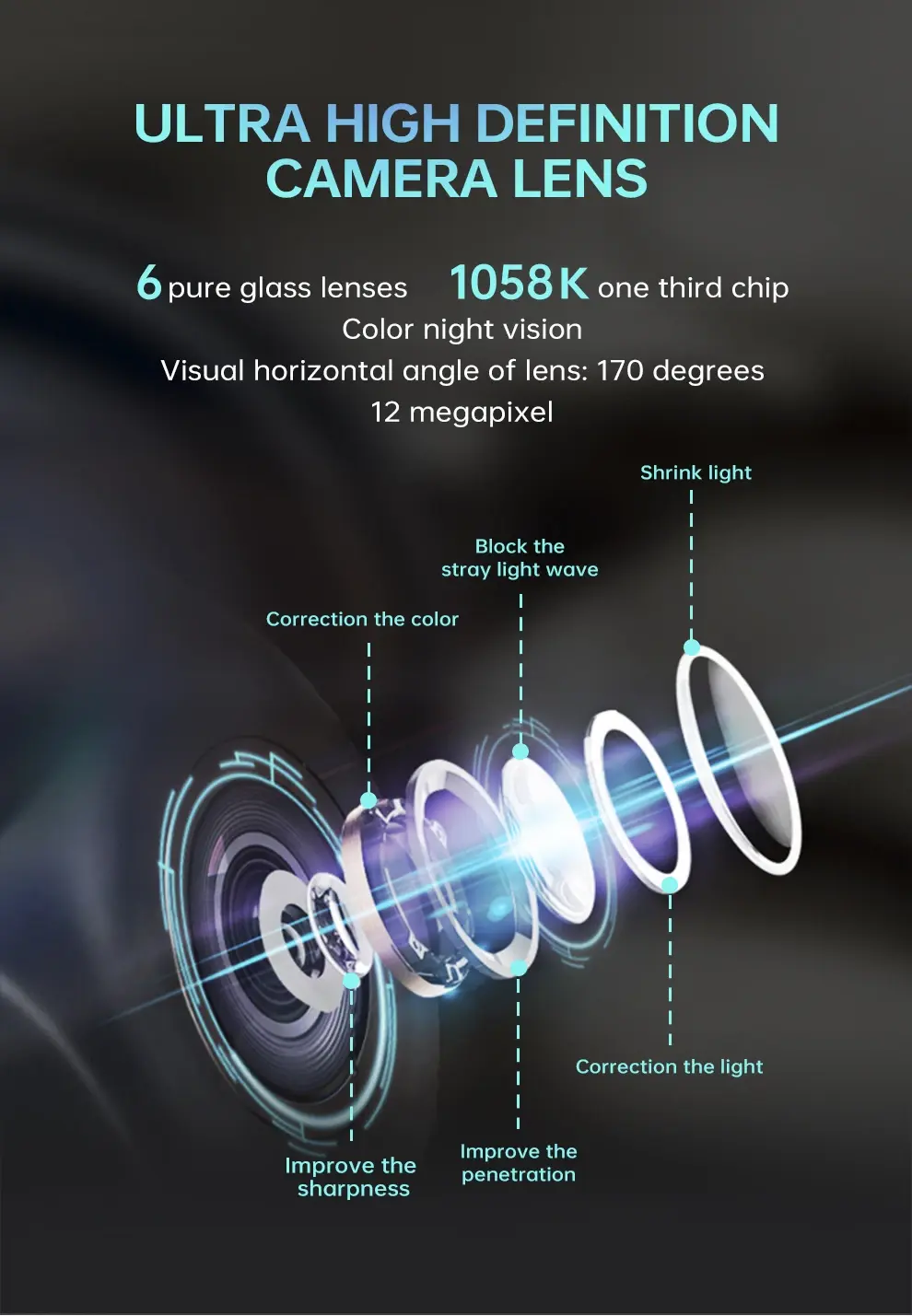
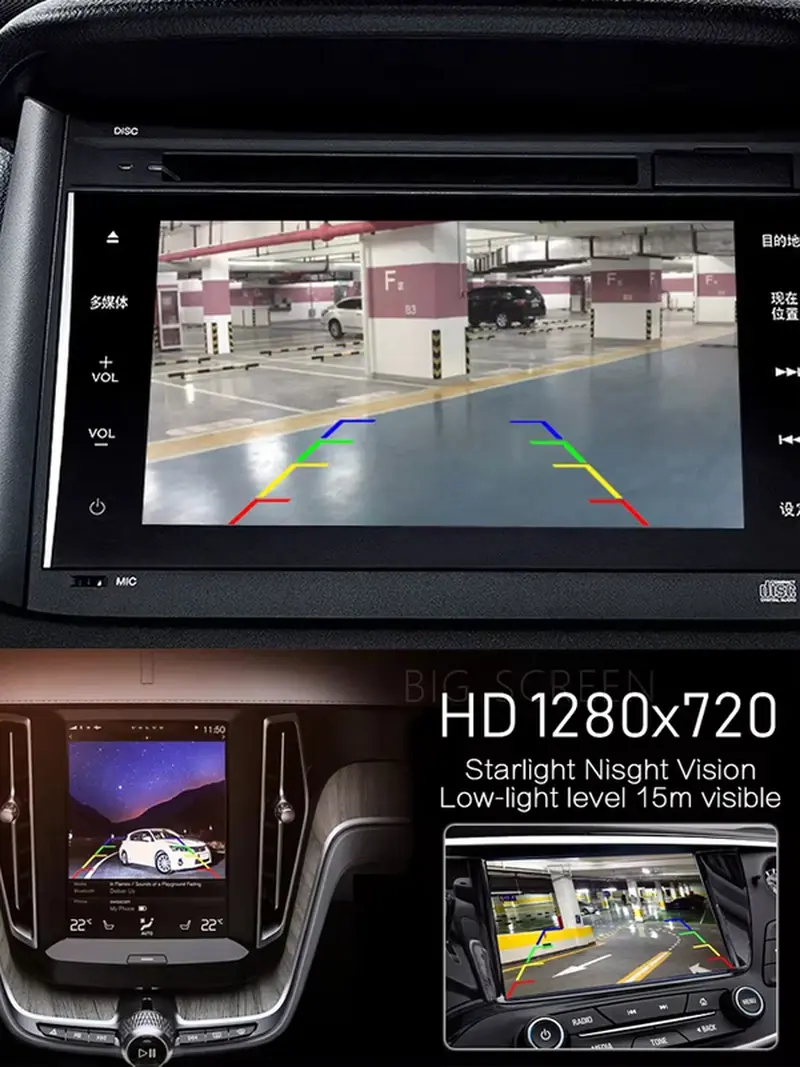
This system provides an intuitive and clear view of the rear when reversing, making it one of the most practical configurations for reversing safety. When the reverse gear is engaged, the system automatically activates the high-definition rearview camera located at the rear of the vehicle, displaying a clear image of the rearview on the LCD screen. This allows the driver to accurately assess the road conditions behind and reverse as effortlessly and confidently as moving forward.
The rearview camera system ensures clear visibility even at night through infrared technology. Professional vehicle-mounted probes offer enhanced anti-magnetic, shockproof, waterproof, and dustproof performance. The in-vehicle display uses TFT true color, is anti-magnetically treated to avoid signal interference and flickering, and can receive two video signals simultaneously. It can play VCDs and DVDs without a decoder and features automatic level switching and automatic switching functionality for reversing visibility. Dashboard and rearview mirror displays can clearly show rear information through the rearview camera. Additionally, two rearview cameras can be installed to eliminate blind spots while reversing.
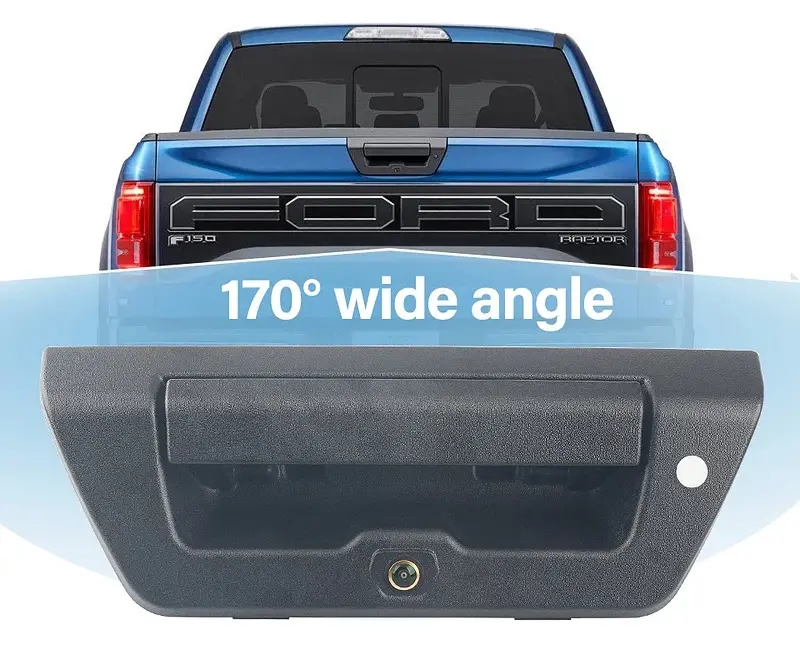
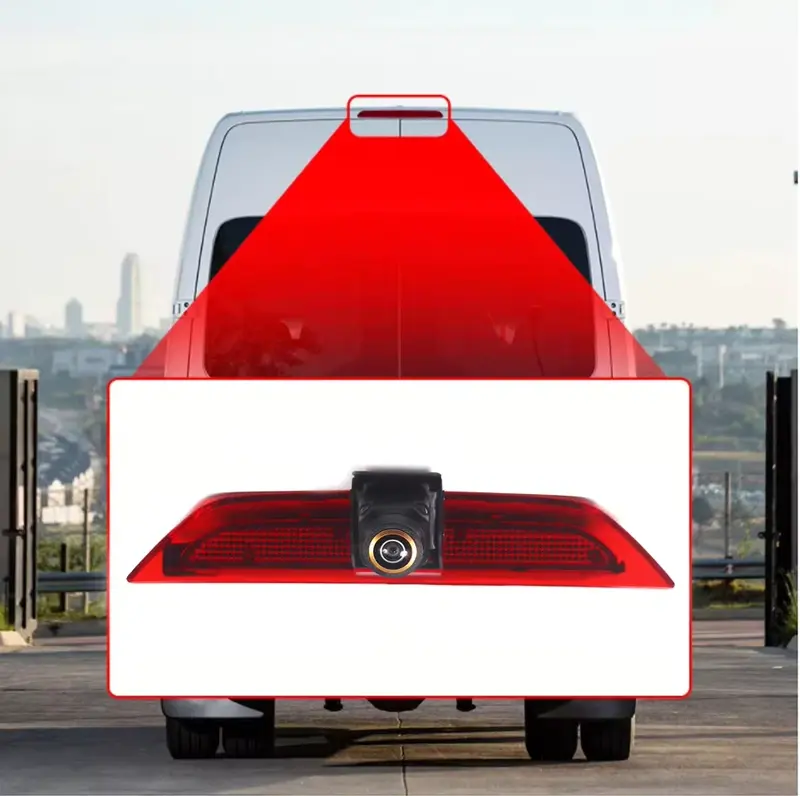
The automotive rearview camera is a comprehensive system that can also be assembled by adding a camera device and an in-vehicle display. Of course, the 360-degree panoramic view system addresses the limitations of relying solely on radar or a single rearview camera for imagery, which is common in domestic applications. The panoramic view system can output four channels of video-front, rear, left, and right-by installing cameras at the front, rear, and under the side mirrors. It is controlled, automatically switches views, and can display video from all four channels or a single channel. This enhances both anti-theft monitoring and driving safety.
I. Advantages of Rearview Cameras Compared to Reverse Radar:
1.Simple installation: A standard single-output rearview camera only requires connecting the positive power wire to the positive terminal of the reverse light power source and the negative power wire to the negative terminal of the reverse light or to the ground (GND). Wiring can be easily understood based on the vehicle model, and the camera can be installed by drilling holes in a convenient location.
2.Clear visibility: Once the reverse gear is engaged, a clear image of the rear appears, making it easier for the driver to judge the situation.
II. Disadvantages of Rearview Cameras Compared to Reverse Radar:
Proactive monitoring: While reversing, the driver needs to observe the display screen to understand the situation. In contrast, reverse radar can provide audio alerts, such as "danger on the left," if an obstacle is detected on the right while the driver is looking left.
Usage Recommendations:
● If you prefer a simple and aesthetically pleasing installation, a rearview camera is sufficient.
● If you are accustomed to using rearview mirrors and want audio alerts to assist with parking, reverse radar is the better choice.
● If you want dual protection with both video and audio functions, opt for a visual reverse radar system.
Selection Considerations:
When choosing a rearview camera, ensure it is compatible with your vehicle model. Consider factors such as camera model, power supply voltage, screen size, waterproofing, shock resistance, and anti-interference capabilities.
● For passenger cars, consider the camera model (with optional waterproof and night vision features), screen size (3, 5, or 7 inches), and power supply voltage (12V).
● For large vehicles, exercise caution. First, the operating conditions of large vehicles differ significantly from passenger cars. For example, they often face harsh driving environments, extreme temperatures, frequent use of reverse gear, and long working hours. Second, large vehicles typically use a 24V power supply, so rearview cameras designed for passenger cars are not suitable. Therefore, when selecting a product, choose the right one based on specific needs rather than price or other factors.
Applications of Rearview Cameras:
Rearview cameras are no longer exclusive to mid-to-high-end cars. They are now also equipped in some compact cars and microvans. For instance, the Jun Feng CV03, a high-end microvan, is the first of its kind to feature a rearview camera, allowing commercial consumers to experience the convenience of technological advancements when reversing into parking spaces.


