

As cars become increasingly common, vehicle safety has become a growing concern. Among various safety aspects, reversing safety is a critical component. Many vehicles today come equipped with safety assist devices such as reverse sensors or rearview cameras, with the latter being one of the most common solutions.
01 What Is a Rearview Camera?
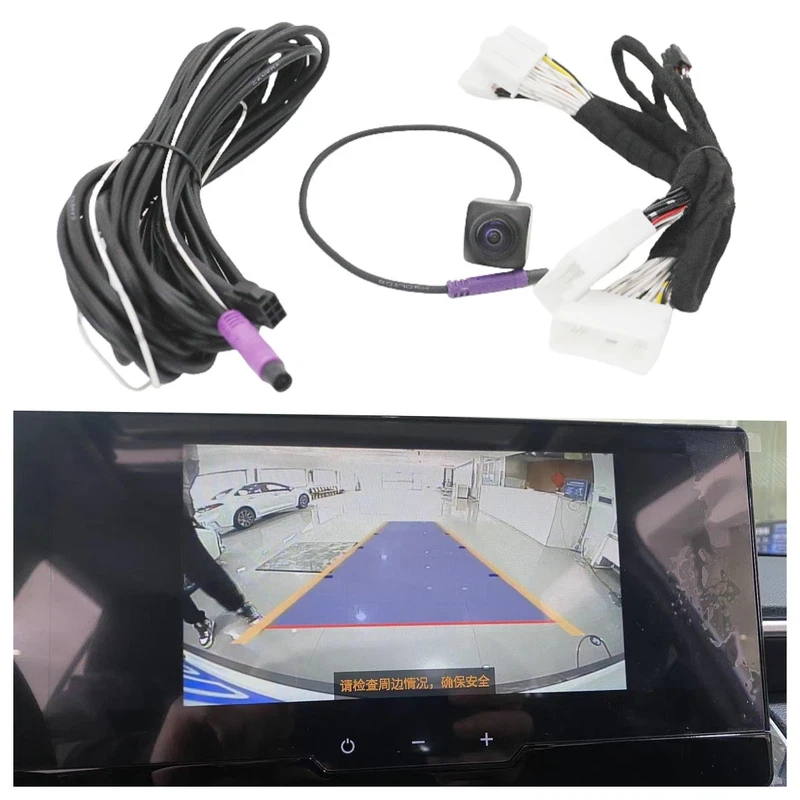
With technological advancements, traditional rearview mirrors no longer fully meet the demands for reversing safety. This has led to the development of the rearview camera system. A rearview camera uses a small camera to transmit real-time images of the area behind the vehicle to the car's display screen, allowing the driver to monitor the surroundings. This not only expands the driver's field of vision but also helps more effectively avoid accidents caused by blind spots.
02 Types of Rearview Cameras
Based on installation location and functional features, rearview cameras can be categorized into several types. Some of the most common include:
● Rearview Mirror Integrated Camera
This type of camera is installed on the rearview mirror and transmits real-time images through the mirror.
● Spare Tire Cover Integrated Camera
Usually mounted on the rear spare tire, this camera ensures clear and stable image transmission.
● License Plate Integrated Camera
Installed below the license plate, this type often combines a reverse sensor with the camera, providing both distance measurement and image transmission.
03 Advantages of Rearview Cameras
1.Enhanced Safety
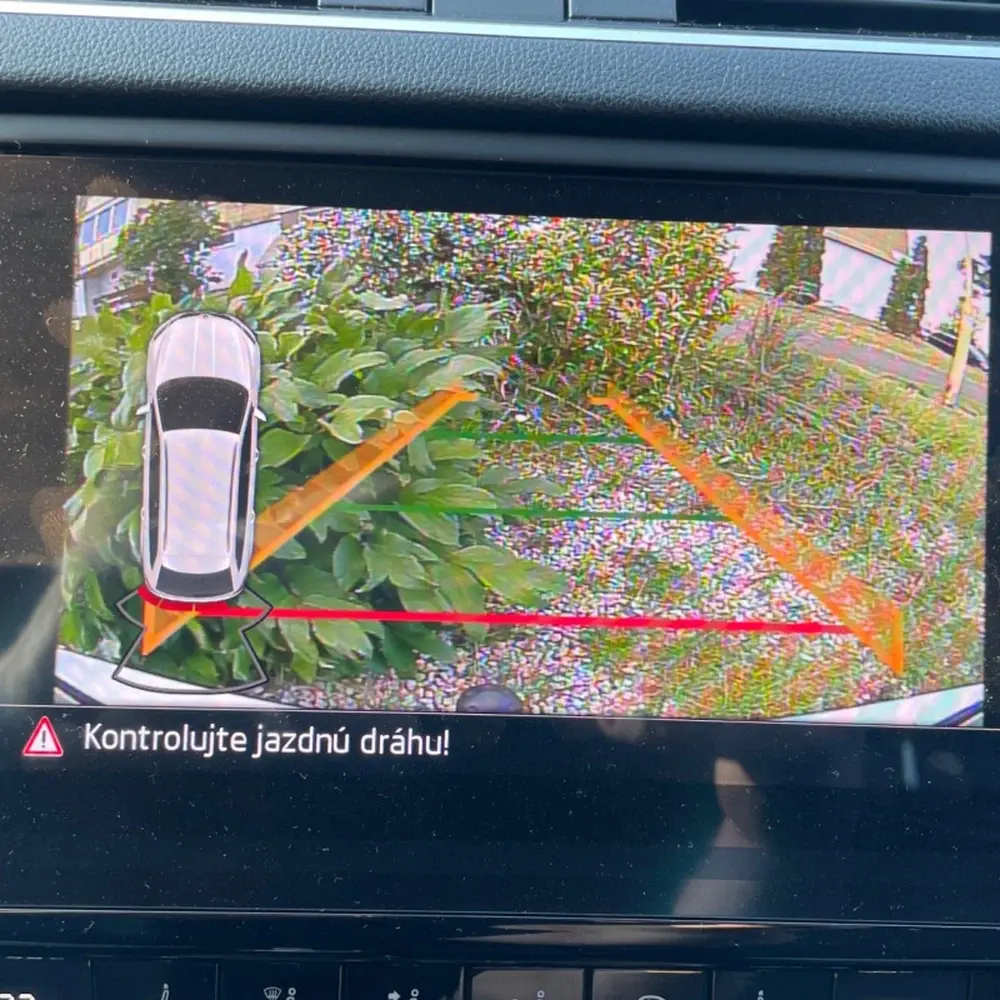
Rearview cameras expand the driver's field of vision, eliminating blind spots typical of traditional rearview mirrors and significantly reducing the likelihood of accidents while reversing.
2.Greater Convenience
With a rearview camera, the image is displayed on the screen with a simple action, saving time spent adjusting mirrors and other operations, making reversing much more convenient.
3.Improved Precision
Rearview cameras are often used in combination with reverse sensors, offering dual safety features like precise distance measurement and image transmission, making reversing more accurate and effortless.
04 Disadvantages of Rearview Cameras
1.Higher Cost
Compared to conventional rearview mirrors, rearview camera systems are relatively expensive, potentially increasing the cost of purchasing a vehicle or upgrading its safety features.
2.Limited Field of View
Although rearview cameras expand the driver's field of vision, the view may still be somewhat limited in certain vehicles due to installation constraints.
3.Signal Interference
Since rearview cameras rely on wireless signal transmission, they may malfunction in cases of signal interference.
05 How to Choose the Right Rearview Camera
1.Consider Your Vehicle Model
The installation method and position of a rearview camera are designed based on the vehicle model and manufacturer. Therefore, it's important to choose a camera that is compatible with your specific car model.
2.Brand Selection
Brand reputation is another important factor when selecting a rearview camera. Some brands on the market have poor reputations and questionable quality, so opting for a well-known and reliable brand is generally safer.
3.Functionality Needs
Choose a rearview camera based on your specific reversing needs. For example, if you often reverse in narrow parking spaces, a camera with a wider field of view would be more suitable.
The rearview camera is an important form of in-vehicle safety assistance equipment. It addresses many of the shortcomings of traditional rearview mirrors, providing drivers with better visibility and a safer experience while reversing. Of course, a rearview camera is not a must-have for every car-its suitability should be determined based on the specific needs of the vehicle and driver.


